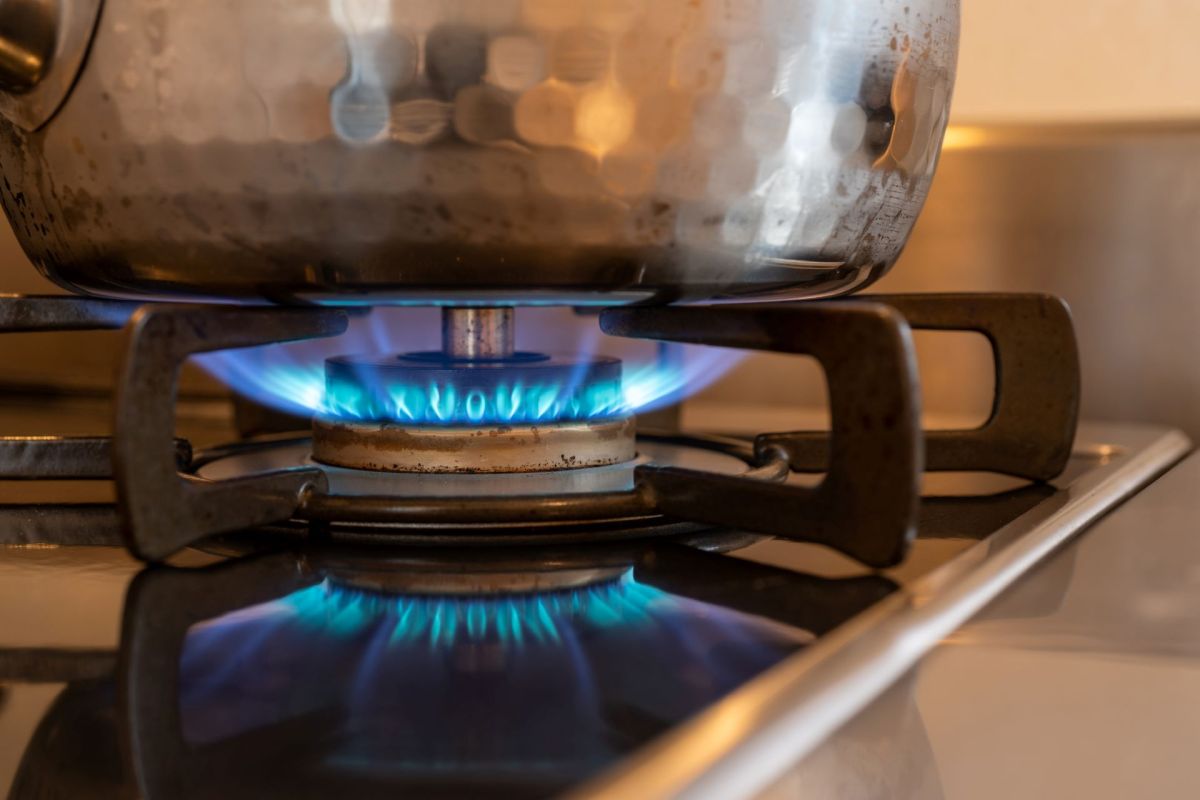
American households will continue to feel the pinch of high energy costs as gas prices are set to increase in the coming year, according to a new analysis.
What's happening?
The Guardian reported that the Energy Information Administration projects that U.S. homes will pay 4% more for gas in 2026 than in 2024. These increases are being driven by a multitude of factors.
One is the ongoing conflict between Russia and Ukraine, whose effects are felt worldwide. A 2023 analysis by the World Economic Forum found that the war caused household energy prices to nearly double. Increased instances of extreme weather events also affect household prices. Hurricanes and extremes in heat and cold can all lead to intense short-term price surges. Additionally, the current administration's decision to resume exports of liquefied natural gas is only adding to the problem.
The U.S. exported 100 million tons of LNG last year that was a windfall for producers, but at the expense of domestic consumers. In the first nine months of 2025, American households forked out over $12 billion in additional costs, per Public Citizen.
TCD Picks » Induction Cooking
💡Discover the induction option that’s just right for your needs and your home




Clark Williams-Derry, an energy analyst, told the Guardian that the effects will be long-lasting: "This may be something that lasts for a while and will be a severe economic crimp for lower-income families."
Why are the increased costs such a concern?
The steep cost increases reflect short-term thinking that prioritizes profiteering and convenience above all else. It's hardly unique to the current situation or even the United States; Germans are still paying the price for their overreliance on gas imports from Russia.
For households, the problems of using gas as an energy source go beyond the cost. Using a gas stove presents a serious health risk akin to having a car's tailpipe pumping directly into your kitchen.
What can be done to make home cooking more affordable?
Fortunately, there is a cost-effective way for homes to move past cooking with gas without compromising on quality. An induction stove may look like an underpowered electric hob, but it performs much better.
Stay warm all winter long with the Apple of intelligent space heaters Kelvin is the Apple of space heaters, designed for energy efficiency and maximum comfort. It's completely silent and intelligently controlled, with setup taking just 5 minutes. Built from premium materials like aluminum and glass, Kelvin works beautifully as a full-home heating system or as the perfect solution for that one room that never feels warm enough. |

Its highly efficient design applies heat directly to the cookware instead of heating a surface. That means the surface remains cool and is a good deal safer for the little fingers that might touch it. Upgrading to an induction stove doesn't have to mean an expensive renovation, as there are several plug-in options starting at around $50.
|
What would it take for you to get rid of your gas stove?
Click your choice to see results and speak your mind. |
 I'd pay for it myself 💪
Get TCD's free newsletters for easy tips to save more, waste less, and make smarter choices — and earn up to $5,000 toward clean upgrades in TCD's exclusive Rewards Club.
Cool Picks