


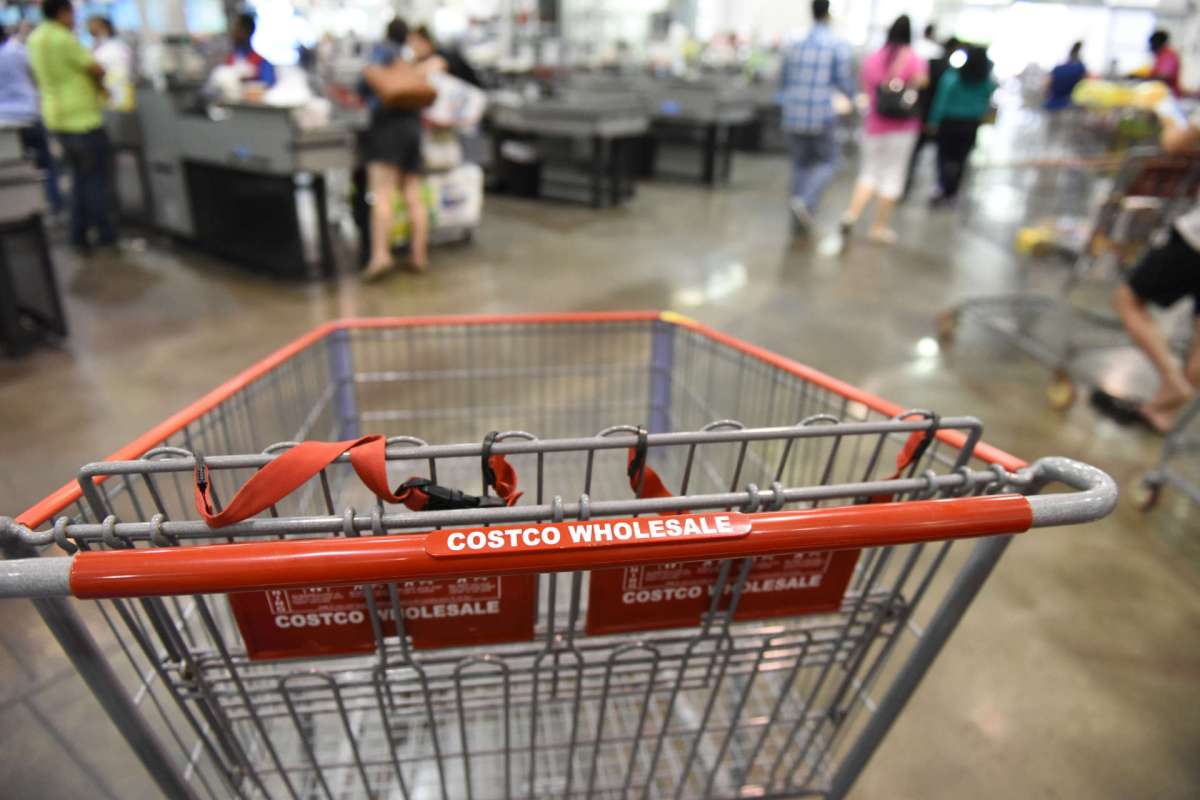
Budget-minded readers are buzzing in Reddit's r/Frugal about when a sale is worth stocking up on — and when buying in bulk becomes a false economy.
For households closely tracking grocery and household spending as the cost of everyday essentials continues to rise, the answer can have a real impact.
What's happening?
The Reddit thread posed a familiar shopping problem: "How do you decide when a sale is worth buying extra versus when you're just buying something because it's a good deal?"
There isn't a one-size-fits-all solution, but commenters outlined what works for them and their mistakes.
Generally, they said that buying in bulk works best for self-care items like toothpaste and soap.
There are exceptions in the pantry, though. One Reddit user said "stuff I use constantly" is worth it. "I have rows of spaghetti sauce, tomato sauce, pizza sauce," they shared.
TCD Picks » Quince Spotlight
💡These best-sellers from Quince deliver affordable, sustainable luxury for all




However, the r/Frugal community warned that discounts can look smart in the moment, but if you don't end up using the goods, you're essentially throwing out money.
One shared: "I bought mustard at an amazing price at a wholesale club. After 4 years and a household move, I gave the rest of it away. I made sure they knew it was past the 'best by' date. I realized that my house just doesn't use very much mustard. Lesson learned!"
Why does it matter?
When shoppers buy extra only for products they know their household will use, they can lower future costs by avoiding full-price purchases later.
The savings disappear quickly, though, if a deal causes someone to overextend their budget or buy more than they can use. Once food spoils or forgotten products pile up in a closet, paying the sale price can cost more than purchasing only the needed amount.
As prices remain high, more and more consumers are trying to be intentional about groceries and home essentials instead of treating every discount as a good one.
Planning purchases more carefully can help families save cash and reduce waste by preventing food and products from expiring before they are used.
What can I do?
Before buying extra, consider whether the product is already part of your routine, whether you know its usual price, and whether the markdown is substantial enough to matter.
It is also useful to compare the unit price, not just the advertised total. A larger package is not automatically the best deal, and a sale sign does not always mean the lowest price per serving.
With food, how long it will keep matters as much as the discount. Pantry items and foods that freeze well are typically safer choices for stocking up than perishables.
Setting boundaries can help, too. Tracking pantry inventory, moving older items to the front, and deciding ahead of time how much space and money to devote to backup supplies can keep stocking up from becoming overbuying.
In a tight economy, avoiding a "false economy" may be one of the simplest ways to keep more money in your pocket.

Get TCD's free newsletters for easy tips, smart advice, and a chance to earn $5,000 toward home upgrades. To see more stories like this one, change your Google preferences here.







