


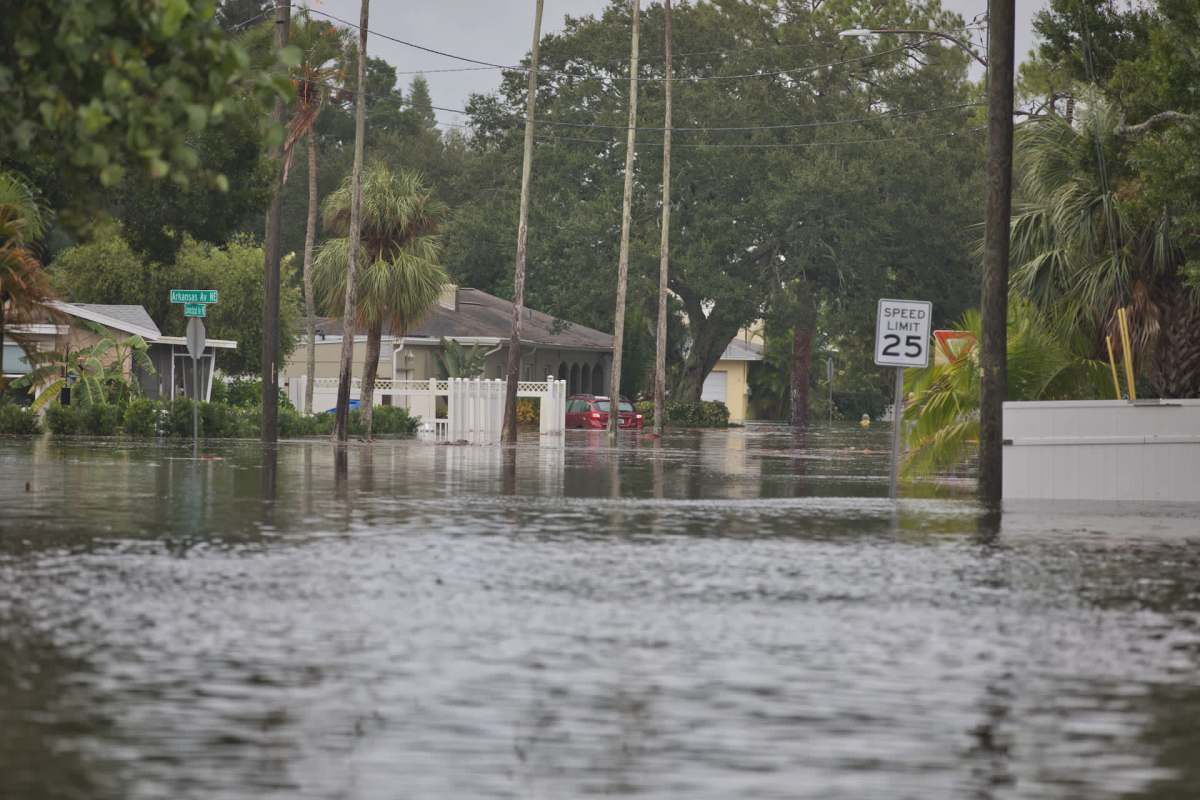
After severe flash floods swept through the Milwaukee area, many residents are discovering just how limited their home insurance coverage really is.
What's happening?
The Milwaukee Journal Sentinel reported most homeowners and renters insurance policies don't cover flood damage, while flood insurance is typically a separate policy that must be purchased on its own.
Standard policies may cover certain types of water damage, but this typically applies to "top-down" issues like burst pipes or roof leaks, not "bottom-up" flooding caused by rising water from outside.
That distinction is leaving many Milwaukee-area residents footing the bill after the recent flash floods caused extensive property damage.
With no federal disaster declaration yet in place and flood coverage not included in most standard policies, the Journal Sentinel reported homeowners and renters are facing unexpected repair costs.
Why is the increase in floods important?
When disaster strikes, the fine print matters.
The rise in flooding events is part of a larger, alarming pattern driven by human-caused climate change. The continued burning of fossil fuels releases gases that contribute to the warming of Earth's atmosphere.
A warmer climate holds more moisture, which leads to heavier and more intense rainfall, overwhelming city infrastructure and increasing the risk of flash floods, especially in urban areas.
As extreme weather events become more severe, insurance companies are pulling back coverage in high-risk regions or raising premiums beyond what many homeowners can afford. This leaves vulnerable communities financially unprotected in the face of disasters.
But there are solutions. Reducing carbon emissions, investing in green infrastructure, and rethinking insurance frameworks to meet the climate reality are critical steps. Addressing the root causes of climate change can help protect communities from the growing threat of flooding.
TCD Picks » Quince Spotlight
💡These best-sellers from Quince deliver affordable, sustainable luxury for all




|
Do you think your house could withstand a hurricane? Click your choice to see results and speak your mind. |
 No way 😨
 What's being done about the Earth's rising temperatures?
Governments, communities, and individuals are taking steps to combat rising global temperatures. Nationally, clean energy investments and stricter emissions standards aim to reduce reliance on fossil fuels, a major driver of climate change.
Locally, cities are upgrading infrastructure to better handle extreme weather, including improved drainage systems and green spaces that absorb excess rainwater.
On an individual level, people can help by reducing energy use, switching to electric vehicles or public transit, and supporting climate-forward policies. Every action, especially when paired with collective pressure for systemic change, helps slow warming and build resilience for the future.

Join our free newsletter for good news and useful tips, and don't miss this cool list of easy ways to help yourself while helping the planet.
Cool Picks




