


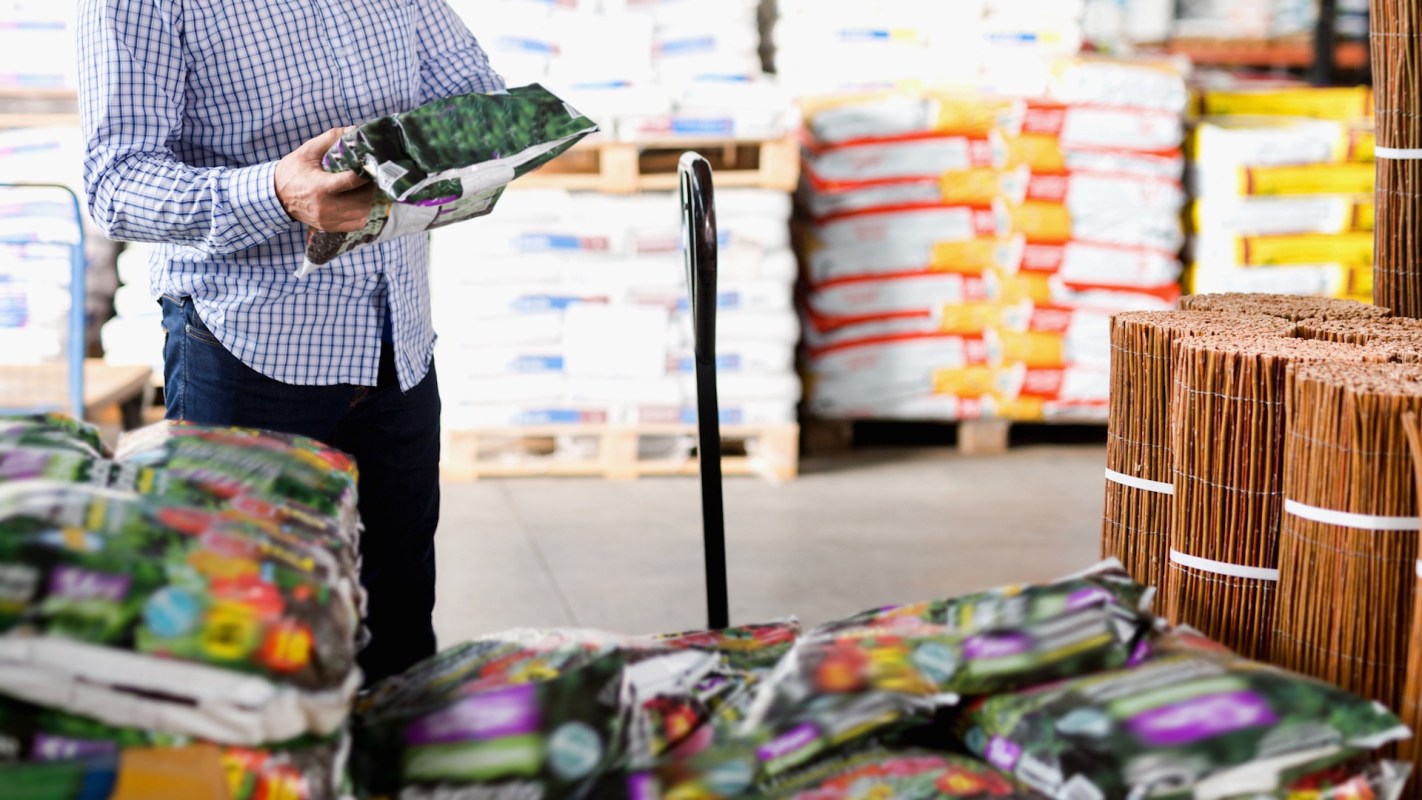
An often-overlooked farm input is getting pricier, and shoppers may soon notice the difference in their grocery totals.
The Iran War has raised fertilizer costs by snarling a key shipping route, further contributing to already rising food costs.
What's happening?
Nexstar reported (via The Hill) that before the conflict, about 30% of the world's fertilizer moved through the Strait of Hormuz, a passage compromised by the conflict.
Over a three-month stretch ending in late May, fertilizer prices surged 40%, according to the Associated Press.
Dan Scheitrum, an agribusiness professor at Cal Poly's College of Agriculture, said the effects are likely to ripple across the food system.
"Everything else equal, we expect to see higher prices for corn, soybeans, wheat, potatoes, strawberries — everything that uses fertilizer," Scheitrum told Nexstar.
TCD Picks » Quince Spotlight
💡These best-sellers from Quince deliver affordable, sustainable luxury for all




For growers of crops such as corn and wheat, the hit can be especially severe because fertilizer makes up a substantial share of their operating expenses, according to the media group.
Why is this concerning?
When fertilizer gets more expensive, the cost of producing food rises with it, and many farmers have only limited room to adapt.
Annual row-crop growers may be able to change what they plant from season to season, but orchard and vineyard operators cannot simply reduce acreage once trees and vines are already in the ground.
Applying less fertilizer is one way to trim spending, but it usually comes at the cost of lower yields. Smaller harvests can squeeze supply and add still more pressure to grocery prices.
The impact is not limited to fruits and vegetables. Scheitrum said a large share of U.S. corn and soy goes into animal feed, so higher fertilizer costs can also push up beef, pork, and chicken prices.
This latest strain is arriving alongside other food inflation pressures, including costly fuel, transportation expenses, drought, tariffs, and weak wheat production.
What's being done?
Scheitrum told Nexstar that fertilizer prices have started to ease somewhat in recent weeks, with certain elements of the Iran War showing some progress. If supply routes stabilize further, that could reduce pressure on farmers and help prevent steeper grocery price increases.
On the farm, more efficient tools such as precision application systems can help growers use fertilizer more carefully. Those technologies can make food production more resilient and help limit the cost increases that impact shoppers.
For consumers, comparing store brands, buying seasonal produce, and cutting food waste can soften the impact of price swings. When meat and produce prices jump, adding more affordable staples or exploring plant-based options can help manage grocery budgets without sacrificing variety.

Get TCD's free newsletters for easy tips, smart advice, and a chance to earn $5,000 toward home upgrades. To see more stories like this one, change your Google preferences here.






