


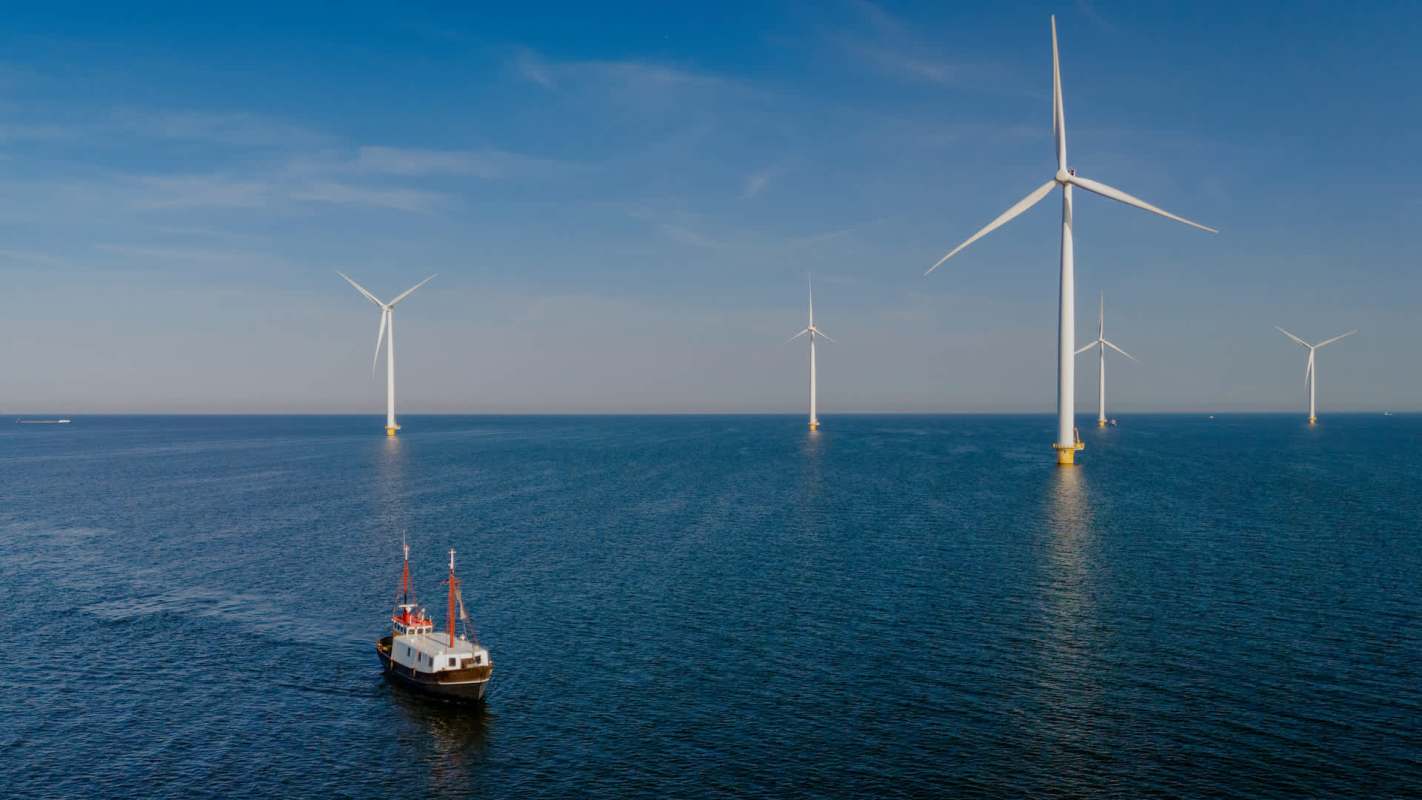
A reported federal push to pay offshore wind developers almost $2 billion to walk away from major projects could stick U.S. taxpayers with the bill — while also stripping a major source of future electricity from the grid.
The timing couldn't be worse. Power demand is climbing quickly as AI data centers, electric vehicles, and home electrification all require more energy. At the same time, coastal communities have already spent years preparing ports, training workers, and building local businesses around offshore wind.
What happened?
Under the Biden administration, offshore wind was expected to become a key part of the nation's energy mix, according to Fortune. In March 2023, federal leaders met with executives from companies including Microsoft, Amazon, Ford, GM, Dow Chemical, and General Electric and concluded that the U.S. was headed for an electricity shortfall.
Offshore wind was supposed to help close that gap. Plans along the East Coast alone were meant to add 30 gigawatts by 2030 — enough electricity for over 10 million homes. Fortune noted that at that point, wind and solar had already supplied more than 80% of the new generating capacity added to the U.S. grid in the prior five years.
That momentum shifted in 2025, when President Donald Trump moved to stop offshore wind lease sales and freeze approvals, permits, and loans for new projects. After a federal judge reportedly found that order unconstitutional in late 2025, the administration changed course. In 2026, reports surfaced that the federal government had arranged payouts of hundreds of millions of dollars to developers to abandon permitted offshore wind work and steer money toward fossil fuel development.
Among the projects reportedly affected were those tied to TotalEnergies, Golden State Wind in California, and Bluepoint Wind off New Jersey and New York. Altogether, the buyouts would wipe out roughly 8 gigawatts of planned capacity, which Fortune says is enough to serve more than 3 million homes.
TCD Picks » Quince Spotlight
💡These best-sellers from Quince deliver affordable, sustainable luxury for all




The fallout goes well beyond the turbines that may never get built. New York had already announced a $300 million grant program to expand port infrastructure for offshore wind. New Jersey Wind Port represents an investment of more than $600 million. California lawmakers approved over $225 million for offshore wind ports and related facilities in 2025. Communities made those investments expecting projects, jobs, and long-term economic growth in return.
As the energy experts behind the analysis argued, those left to pay the price are American taxpayers and a U.S. economy that needs "more electrons on the grid, not fewer."
Why is offshore wind important?
Offshore wind is about far more than clean electricity. It can support jobs for electricians, welders, pipe fitters, machinists, carpenters, shipping workers, and construction crews. It can also reshape local economies through port activity, manufacturing, maintenance, and supply-chain growth.
When projects are canceled, those benefits don't just stall — they can disappear.
That matters even more now because electricity demand is expected to jump, due largely to AI data centers and more electrified cars, homes, and businesses. If the U.S. limits homegrown energy sources while demand continues to increase, consumers are more likely to face higher, more volatile utility bills.
Fortune noted that the regions counting on offshore wind — including New York, New Jersey, North Carolina, and California — could feel that pain first.
There is also a longer-term cost issue. As more offshore wind projects are built, developers gain experience, supply chains mature, and costs tend to fall. Globally, the levelized cost of offshore wind power dropped 62% from 2010 to 2024. Canceling projects interrupts that learning curve, making future development harder and more expensive.
Plus, if wind generation is canceled, it is frequently replaced by coal, oil, or gas plants, or imported electricity, which means more air pollution and greater exposure to fuel-price swings.
Vineyard Wind I — a project completed in 2026 with 806 megawatts of capacity — is projected to save Massachusetts customers about $1.4 billion on electricity bills over 20 years. Because it operates under a fixed-price contract, it can also help steady prices during periods of high demand, as Fortune reported.
What's being done about offshore wind?
Not all offshore wind development has stopped. Some projects are still moving forward, and state leaders continue to invest in the infrastructure and workforce needed to support the industry. The California Energy Commission and members of Congress are also reportedly investigating the federal buyout deals.
States still have a major role to play. Continued support for port upgrades, workforce training, transmission planning, and long-term clean energy contracts can help preserve momentum even amid federal uncertainty. Those local investments matter because they keep skilled workers employed and make it easier for future projects to move faster and cost less.
At a moment when the U.S. needs more electricity, more resilience, and more good-paying energy jobs, paying to cancel shovel-ready offshore wind projects would move the country in the wrong direction, hurting the American people in the process.

Get TCD's free newsletters for easy tips, smart advice, and a chance to earn $5,000 toward home upgrades. To see more stories like this one, change your Google preferences here.






