


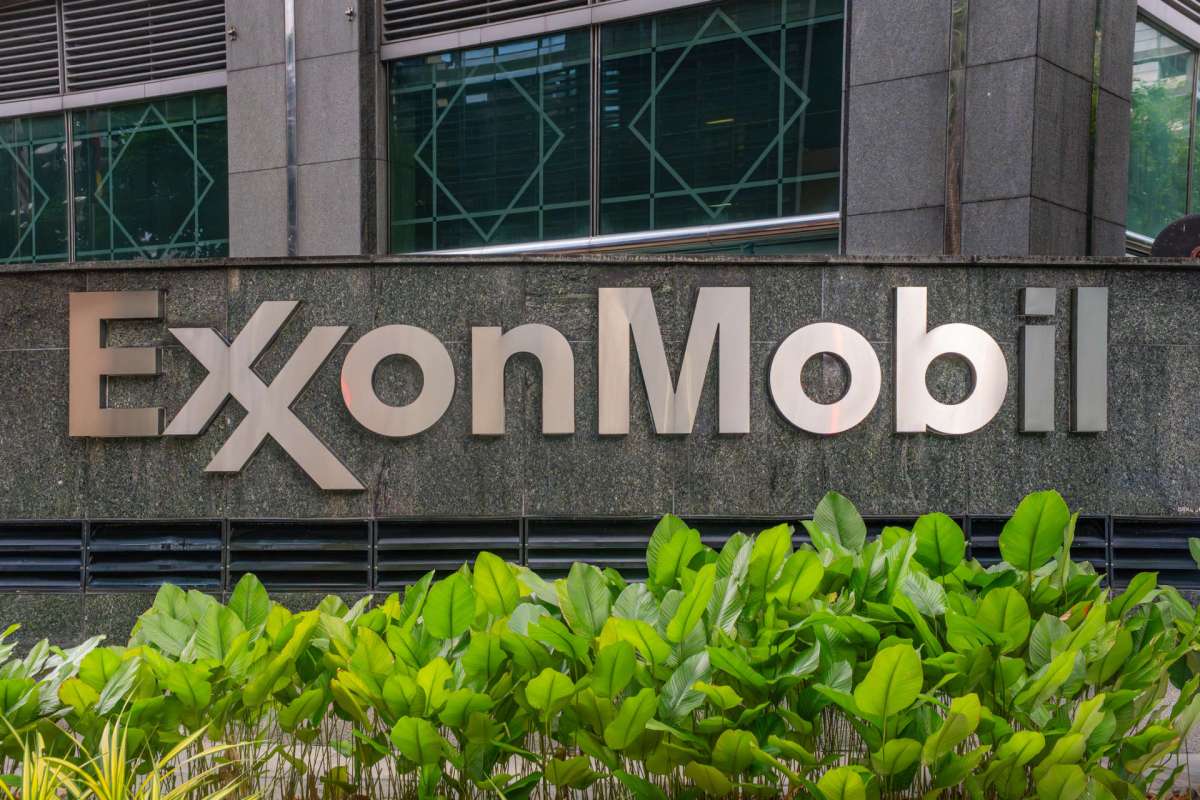
Rising energy prices can translate into windfalls for major producers, and ExxonMobil's reported quarter illustrates that: the company said it earned the equivalent of roughly $160 million each day.
Those market jumps usually land very differently on consumers, who can end up facing higher gasoline, electricity, and home-energy costs while oil-company profits climb.
What happened?
Over just three months, ExxonMobil generated billions in earnings. According to WQOW, the company said that worked out to about $160 million in profit each day while oil prices were rising.
A run-up in crude prices can create a windfall for oil producers even as it puts pressure on family finances. More expensive fuel also pushes up transportation and shipping costs, which can then filter into grocery prices and the cost of other basics.
These results arrived during a period of unstable global energy pricing. Supply and costs can shift quickly when geopolitical conflicts, output choices, or extreme weather disrupt the market, and those swings can coincide with very strong returns for major producers.
Why does it matter?
For most people, these price moves show up in daily life rather than in market charts: filling the car costs more, utility bills rise, and transported goods become more expensive.
TCD Picks » Quince Spotlight
💡These best-sellers from Quince deliver affordable, sustainable luxury for all




The fossil fuel industry also affects people and communities in ways that go beyond volatile prices. Coal and natural gas power plants contribute to air and water pollution linked to asthma, heart disease, cancer, and premature death. At the same time, households that remain dependent on these fuel sources can face higher energy costs than systems powered by more abundant resources such as sunlight and wind.
Another major issue is delay. Industry lobbying has helped slow the transition to cleaner, cheaper energy solutions that could better shield families from fuel-price shocks while reducing harmful pollution. When those shifts are postponed, consumers often remain locked into expensive and unhealthy energy systems for longer.
What's being done?
One of the clearest ways to reduce exposure to oil and gas price swings is to expand cleaner energy sources. Wind and solar projects can help stabilize electricity costs because they do not depend on continually purchased fuel in the same way fossil fuel plants do.
Practical steps can help as well. Weatherizing a home, improving insulation, switching to efficient appliances, and considering electric options such as heat pumps or induction stoves can lower energy use and reduce reliance on fuels with unpredictable prices.
Drivers can lower some of that exposure too by using public transit when available, carpooling, or exploring electric vehicles if the upfront cost makes sense. Even smaller actions, such as combining errands and maintaining proper tire pressure, can help reduce fuel spending.
Policy also plays a major role. Investments in grid upgrades, public transit, clean energy, and consumer rebates can give people more choices and make it easier to move away from expensive, polluting energy sources over time.

Get TCD's free newsletters for easy tips, smart advice, and a chance to earn $5,000 toward home upgrades. To see more stories like this one, change your Google preferences here.






