


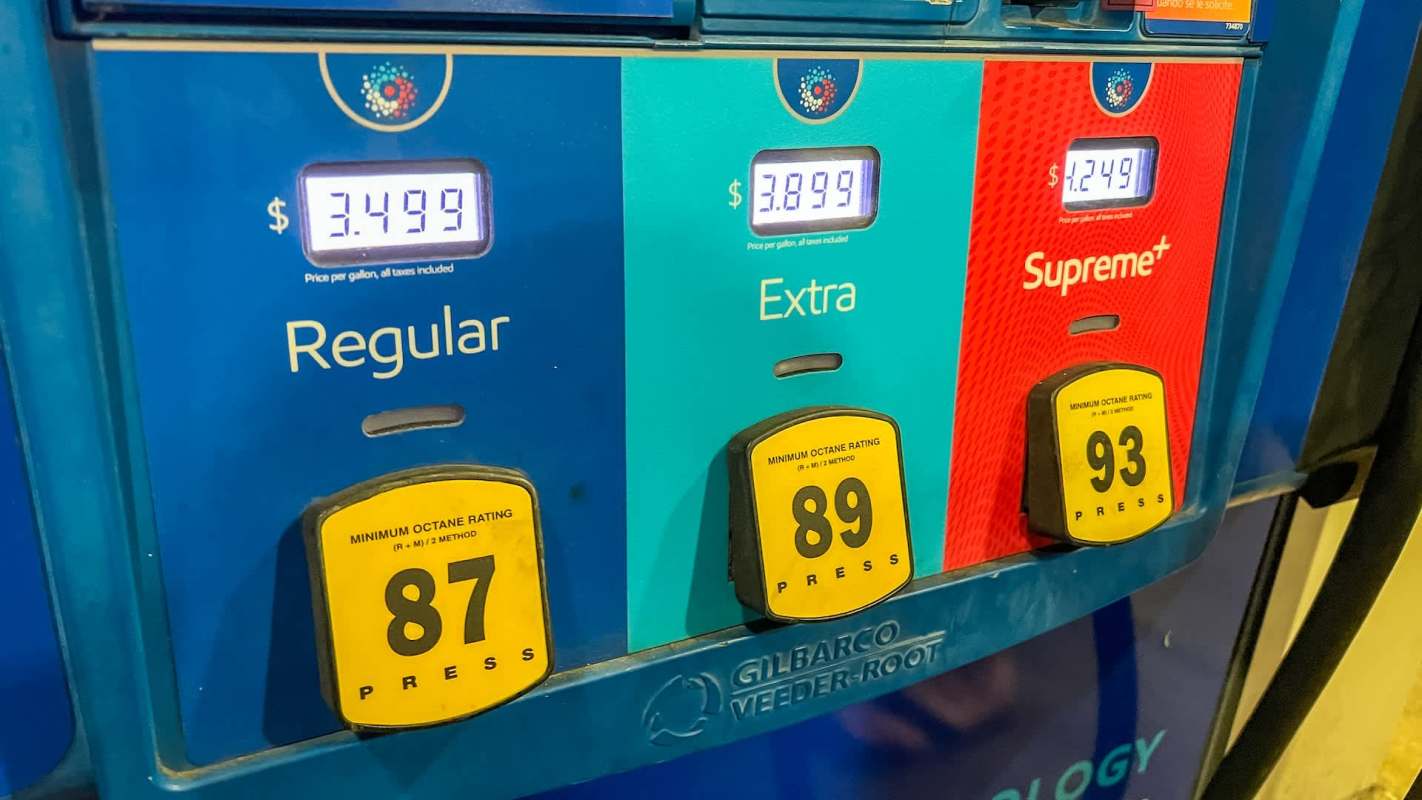
A fresh surge in oil prices is threatening to erase weeks of relief for drivers as summer travel demand remains high. Brent crude oil jumped roughly 12% over three days as fighting linked to Iran escalated, raising the chances that gas prices in the United States will continue to see jumps.
What's happening?
The latest run-up in oil came as conflict involving Iran intensified, reviving worries that shipments through the Strait of Hormuz — a key route for crude oil supplies — could be disrupted.
According to ABC News, Brent crude reached $84.50 a barrel on Tuesday, its highest level since June 15. The rally marked a sharp turn from last month, when oil prices had fallen after a preliminary agreement between the U.S. and Iran.
That agreement now looks far less certain after renewed strikes between the countries.
Oil later pulled back from its peak after President Donald Trump dropped his threat to impose a 20% charge on cargo moving through the strait. Still, analysts cautioned that the jump in crude could soon push gasoline prices higher.
"We may see a multi-week upward trajectory after oil's big jump yesterday, after new escalations in the strait between the U.S. and Iran," Patrick De Haan, a petroleum analyst at GasBuddy, told ABC.
TCD Picks » Quince Spotlight
💡These best-sellers from Quince deliver affordable, sustainable luxury for all




Why does it matter?
For households already stretched by rent, groceries, and utility bills, even a modest increase at the pump can be painful or even impossible to cope with.
AAA put the national average gas price at $3.85 a gallon, around 5% below a month ago but still nearly 30% above the pre-war level. According to ABC News, De Haan said the average could soon top $4 a gallon.
Higher fuel prices can also ripple through every layer of the economy, as transportation costs affect everything from commuting to shipping.
Even though inflation cooled in June, gas relief was one reason. Federal data cited by ABC News showed prices were up 3.5% year over year, versus 4.2% the month before, but still well above the Federal Reserve's 2% target.
Oil and gas extraction, production, and burning worsen extreme weather disasters that destroy homes, livelihoods, and local economies. They also contribute to air and water pollution linked to asthma, heart disease, cancer, and premature death, while keeping families exposed to volatile energy costs even as corporate profits soar.
What's being done?
Markets are watching closely to see whether fighting between the U.S. and Iran escalates further or whether the countries return to the kind of agreement that previously helped lower prices. Trump's decision to back off the cargo toll threat briefly eased some pressure, but the situation remains highly unstable.
Federal officials are also watching for inflation fallout. Speaking to a House committee on Tuesday, Federal Reserve Chair Kevin Warsh said policymakers remain concerned about stubbornly high prices and the strain they place on households and businesses.
Reducing dependence on gasoline — through more efficient vehicles, electric cars, stronger public transit, and clean energy systems — can help shield families from the next oil shock while cutting pollution and improving resilience.
"This is very much contingent on if the situation remains in escalation mode," De Haan added. "If there's any de-escalation, very quickly that could slam the brakes on potential increases."
Warsh struck a similar note, saying "volatilities and variations are inevitable, especially in an unsettled world."

Get TCD's free newsletters for easy tips, smart advice, and a chance to earn $5,000 toward home upgrades. To see more stories like this one, change your Google preferences here.






