


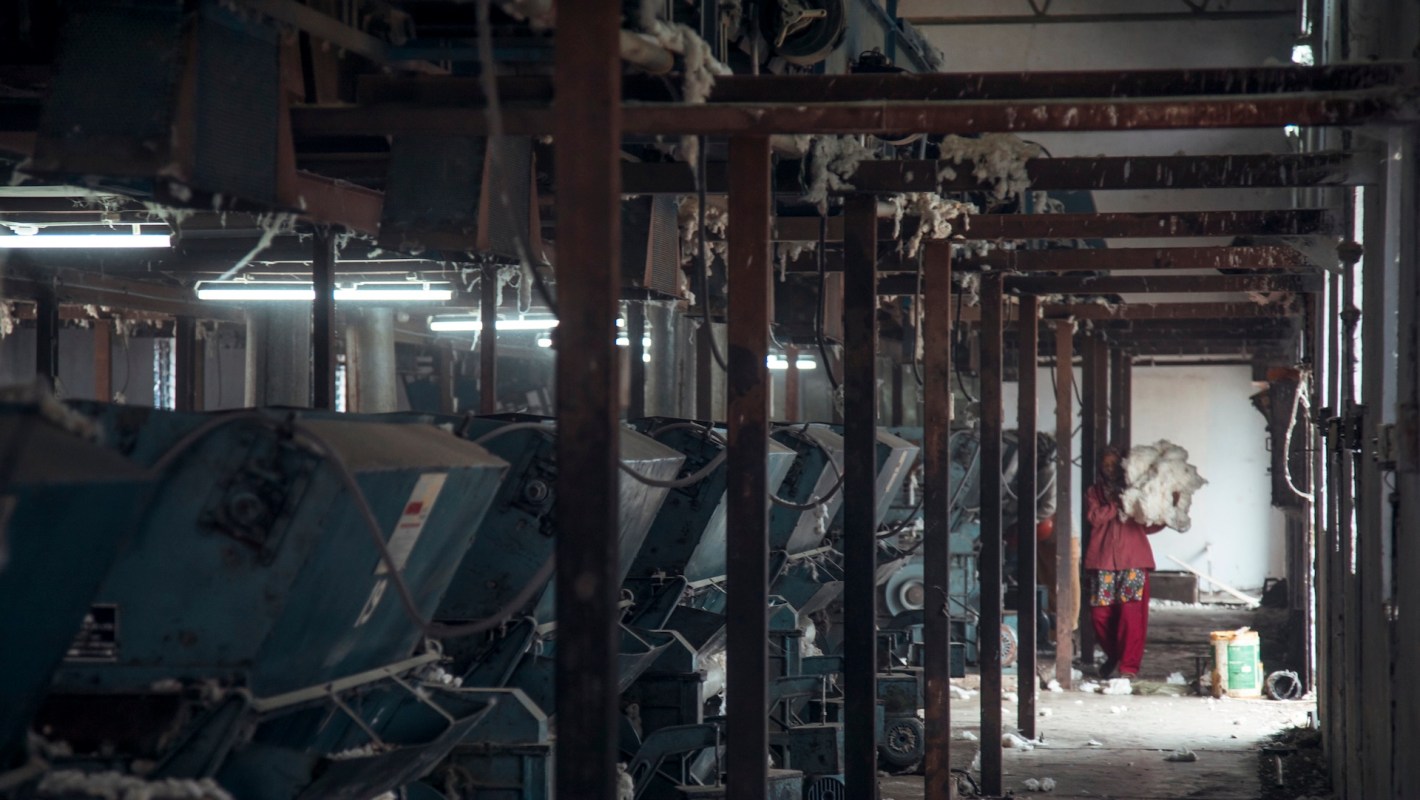
A researcher from UC Berkeley spent half a year observing conditions at garment production sites across Bangladesh, where employees who make clothing for Western brands regularly lose consciousness due to oppressive heat, reported the UC Berkeley School of Public Health.
What happened?
Graduate student Cara Schulte visited Dhaka across consecutive summers, conducting conversations with 50-plus individuals working in the nation's apparel sector. These employees recounted how coworkers drop to the ground each day when indoor temperatures exceed 100 degrees Fahrenheit.
Many refuse liquids to minimize restroom visits, since their assignments demand 150 completed garments hourly. Chronic fluid deprivation results. After blacking out, individuals lie down momentarily beside their stations before returning to their machines.
Research published through Climate Rights International documents expectant mothers maintaining shifts lasting 10 hours or longer despite repeated fainting. Bangladesh exported clothing worth over $31 billion in 2022, yet those making the garments earn approximately $80 monthly.
"It was really unbelievably hot. I was wearing a heart rate monitor to test for another project with Kwong, and my resting heart rate was over 100 sometimes. In New York, it's in the 60s. My body was just fighting to keep up," Schulte said.
Why is extreme heat in factories concerning?
Although contributing minimally to atmospheric pollution, Bangladesh faces disproportionate climate consequences. During the summer of 2025, Dhaka recorded a heat index approaching 118 degrees Fahrenheit, yet workers couldn't afford cooling technology.
Immediate symptoms include blackouts and vomiting. Chronic exposure correlates with cardiac problems, poor kidney performance, hepatic injury, and obstetric complications. Schulte found that elevated heat exposure corresponded with stillbirth rates that increased by three percentage points and premature delivery rates that rose by nine percentage points.
Extreme temperatures force workers to operate at half speed or abandon their shifts while ill, sacrificing the income they need. Inadequate restroom access combined with questionable water quality discourages fluid consumption, leading to severe dehydration and bladder infections.
What's being done about extreme heat in factories?
Last September, Schulte collaborated with dozens of advocacy organizations in submitting recommendations to the International Accord for Health and Safety in the Garment and Textile Industry. The coalition seeks binding thermal safety protocols within contracts linking clothing corporations to labor organizations.
Recommendations include maximum temperature thresholds that would stop production, mandated recovery periods for heat illness, and shift timing modifications that avoid peak afternoon heat.
TCD Picks » Quince Spotlight
💡These best-sellers from Quince deliver affordable, sustainable luxury for all




|
What should the government do about the fast fashion industry?
Click your choice to see results and speak your mind. |
 Set strict regulations 🚫
 Improved restroom availability and potable water access would also be required.
Corporations such as H&M and VF Corporation have incorporated thermal safety provisions into vendor contracts, though oversight is poor.

Join our free newsletter for good news and useful tips, and don't miss this cool list of easy ways to help yourself while helping the planet.
Cool Picks






