


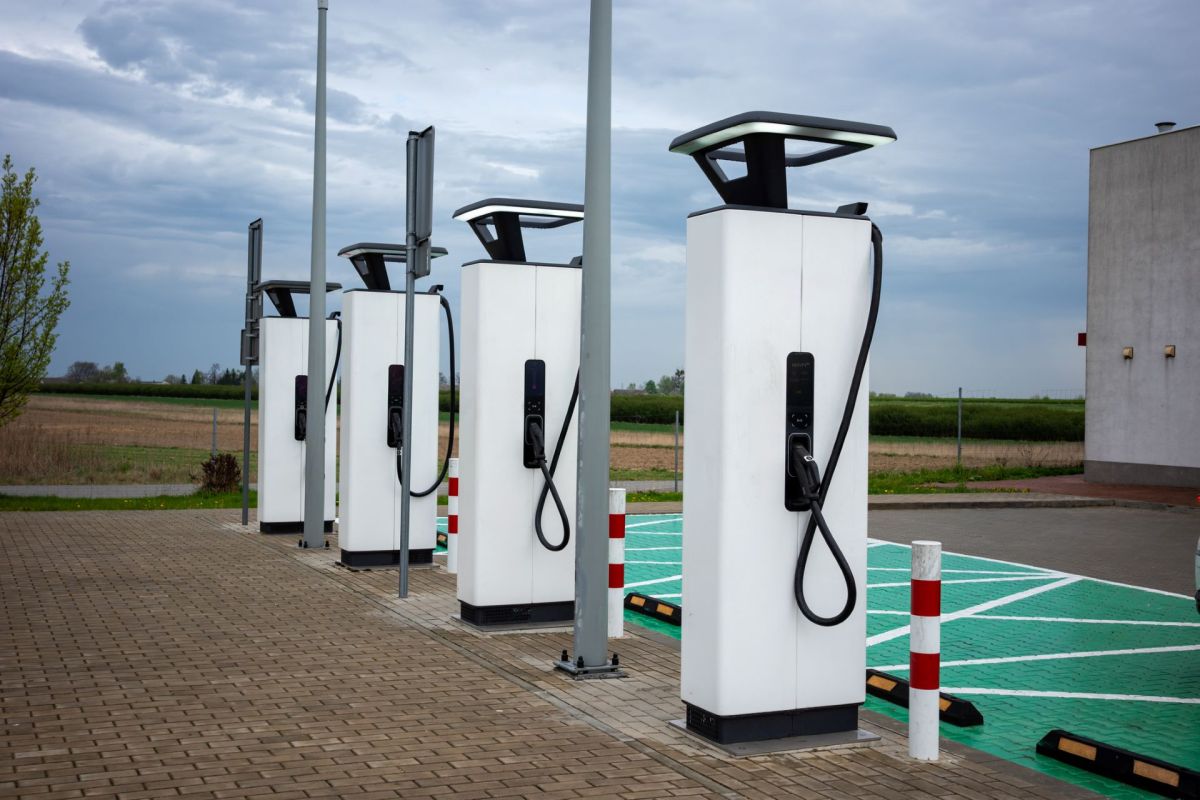
Public electric vehicle charging stations may be more reliable than most drivers think, according to survey results from Michigan-based market research firm Escalent.
That's because most respondents reported having better experiences after pulling up to a plug-in than they expected.
The online survey included 354 people who were questioned in the fall about EV brand preference and charging habits. Most EV owners plug in at home, which saves them hundreds of dollars a year compared to gas and public ports that levy fees. The savings details were analyzed in a separate study by experts at Qmerit.
The survey, when considered with Qmerit's home-charging recommendation, puts together a clear scenario for how EV drivers can maximize savings, especially when leveling up to a faster Level 2 unit.
When at a public stall, 66% of respondents said they rarely or never have a problem. That's important because reliability influences whether drivers will buy another EV or if they will suggest one to someone else, according to about 60% of respondents. About one-third reported having problems at a station.
The findings had good news for Tesla, too. EV owners reported preferring to use one of the well-known brand's thousands of Superchargers.
"Drivers most frequently use Tesla … which is quietly raising user expectations and setting the bar for what good public charging experiences look like," the analysts wrote.
The International Council on Clean Transportation reported last year that there were more than 200,000 public chargers, or publicly accessible workplace stalls, around the country. An alliance of eight automakers has combined efforts to bring tens of thousands more to the country by the end of the decade.
Save $10,000 on solar panels without even sharing your phone number Want to go solar but not sure who to trust? EnergySage has your back with free and transparent quotes from fully vetted providers in your area. To get started, just answer a few questions about your home — no phone number required. Within a day or two, EnergySage will email you the best options for your needs, and their expert advisers can help you compare quotes and pick a winner. Solar panels can save you more than $50k over their 25-year lifespan, and EnergySage can help you save as much as $10k on installation. Which begs the question — isn't that worth an email or two? |

Stations operated by EVgo, ChargePoint, Electrify America, and Shell Recharge were among those noted in the survey. Most stations surpassed driver reliability expectations, with Tesla leading the way at a 4.6 mark on a one-to-five scale.
"Reliable public charging isn't simply a matter of infrastructure — it's marketing," per Escalent's team.
|
Which of these savings plans for rooftop solar panels would be most appealing for you?
Click your choice to see results and earn rewards to spend on home upgrades. |
 Save $1,000 this year 💸
 Many public stalls are DC fast-chargers — the most expedient option. Tesla's product can provide up to 200 miles in about 15 minutes, for example. Most home chargers are Level 1 — using a standard wall outlet — or Level 2 units. Level 2s fill a battery in one to eight hours at much less expense than DC ports, according to Qmerit.
Home charging expands savings by allowing EV owners to power up when electricity prices are at their lowest. Qmerit's team can provide you with free, curated installation quotes so you know you are getting the best price on a Level 2 hook-up. It starts with some basic information about your electric panel and garage.
Home solar is a great addition, generating abundant electricity from the sun that bypasses expensive grid energy. TCD's Solar Explorer is a connection point to trusted partners that provide curated quotes, ensuring you get the best price. The custom information can save you up to $10,000 on upfront costs.
Switching to an EV also saves motorists up to $1,500 in gas and service costs each year. That's in addition to cleaner, quieter travel without harmful exhaust.
As for trust in chargers, the survey found that respondents want more of them in convenient locations, along with faster and more consistent speeds. Transparent pricing and payment integration were also mentioned as secondary factors.
"Indicating that operational reliability trumps cost factors in importance for users," per the report.

Get TCD's free newsletters for easy tips to save more, waste less, and make smarter choices — and earn up to $5,000 toward clean upgrades in TCD's exclusive Rewards Club.
Cool Picks





