


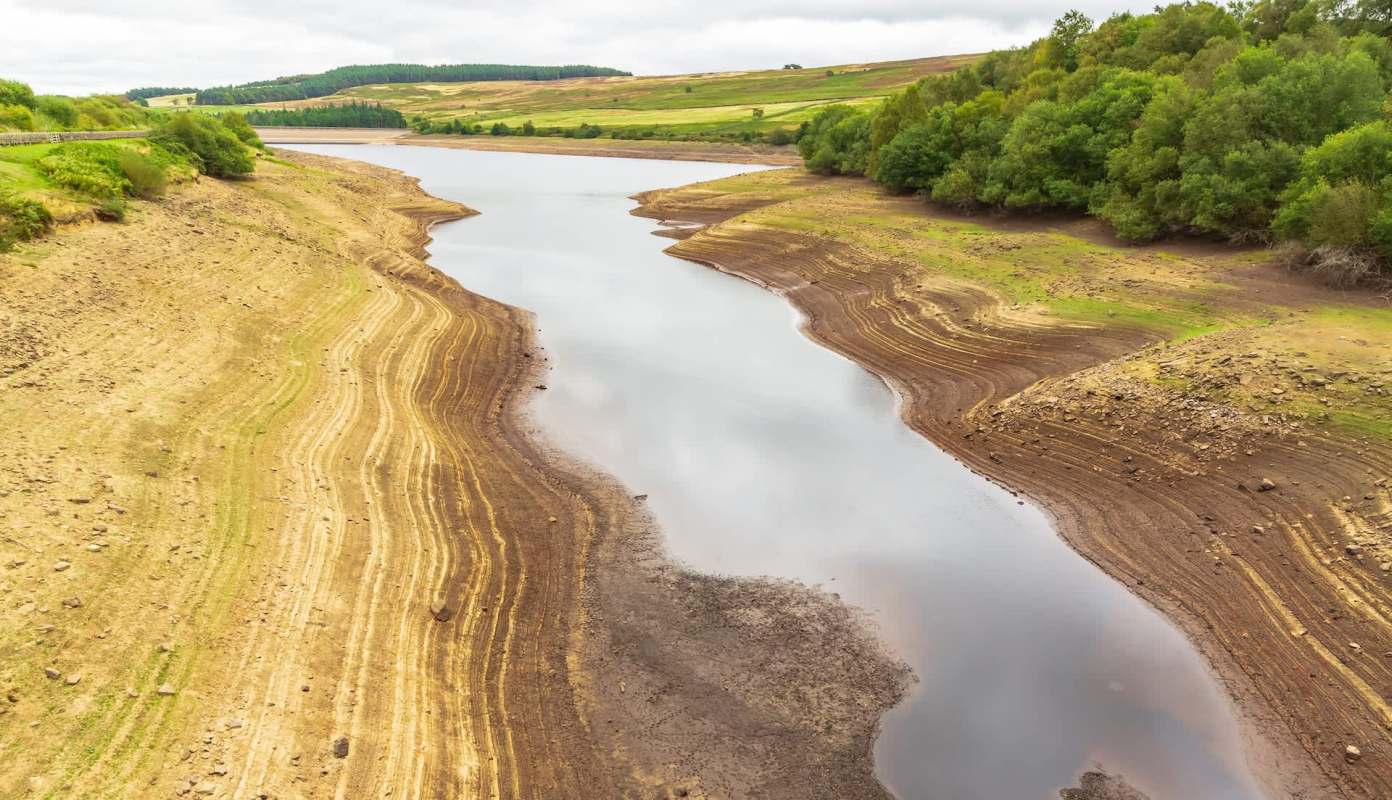
Across Europe, the effects of intense heat and drought are being seen not just in the environment but also in economic damage. EU Today reported that analysts believe climate-driven extremes could seriously dent the bloc's growth prospects for 2026.
Rising temperatures and changing rainfall are making the economic effects of climate change harder to ignore, affecting everything from work and household routines to the performance of national economies.
What's happening?
In its Aug. 10, 2026 report, EU Today said heat waves and drought across Europe could take a large bite out of the EU's 2026 growth forecast, as reported by Reuters. Rising temperatures are predicted to knock about 1% off the EU's gross domestic product in 2026.
France could face the largest economic impact, with repeated heat waves decreasing its GDP by about 1.4%.
As river levels fall, transport is slowing; at the same time, farms are being hit, energy and water networks are under greater strain, and dangerous working conditions are reducing productivity.
The economists cited in the report said that repeated climate-related weather damage is becoming more costly over time. Those losses are increasingly visible in the bloc's output and could erase significant value from its overall performance.
TCD Picks » Quince Spotlight
💡These best-sellers from Quince deliver affordable, sustainable luxury for all




Why does it matter?
Dangerous heat can put people at risk of heat exhaustion, dehydration, and other serious health problems, especially older adults, children, outdoor workers, and people without reliable access to cooling.
Drought can also intensify wildfire risk, limit access to water, and hurt farms, which can greatly drive up food prices.
When crops suffer, farmers lose income, and food supplies tighten. When river levels drop, shipping slows, and supply chains become more expensive. When power and water systems are strained, households and businesses can face higher costs and less reliable service.
In industries like agriculture, construction, delivery, and manufacturing, heat can reduce productivity while increasing safety risks. That means lower economic output and tougher working conditions.
The combination of public health strain, infrastructure stress, and rising costs can weaken economic stability. What begins as a weather event can quickly become a threat to family budgets, local services, and regional growth.
What's being done?
At the policy level, that includes stronger water management, more climate-resilient farming, upgraded energy systems, and better safeguards for transport networks that depend on rivers and other vulnerable infrastructure.
Measures also include worker protections during extreme heat, such as access to cooling, schedule adjustments, rest breaks, and emergency planning. These steps can help reduce the immediate human and economic toll.
Paying attention to local heat alerts, staying hydrated, limiting strenuous activity during the hottest part of the day, and checking on neighbors can help reduce health risks during heat waves. Conserving water during drought conditions can also ease pressure on local systems.
The report adds to the case for cutting the pollution that is driving more severe climate shocks.
The crisis unfolding in Europe makes clear that climate change reaches well beyond environmental damage. It is putting pressure on health, safety, and economic resilience, with costs that are increasingly difficult to overlook.

Get TCD's free newsletters for easy tips, smart advice, and a chance to earn $5,000 toward home upgrades. To see more stories like this one, change your Google preferences here.






