


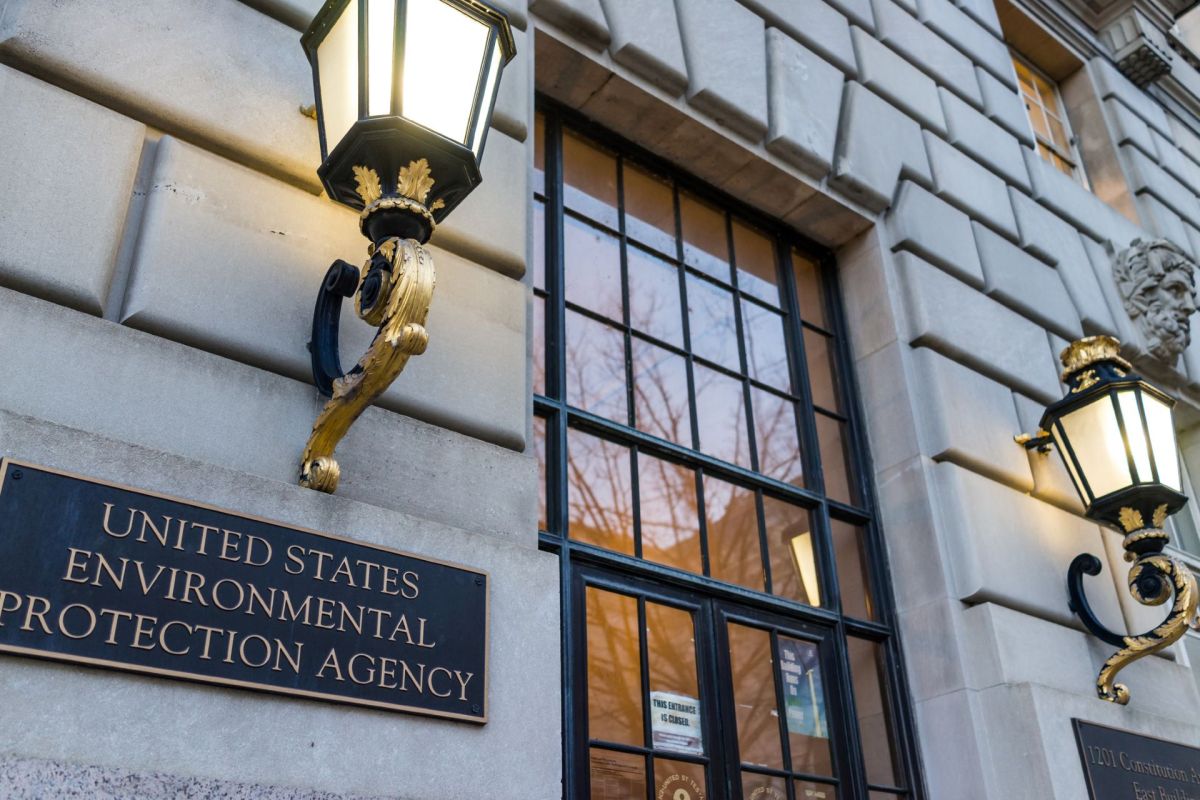
While you've likely heard of methane, whose warming effect on Earth is up to 80 times stronger than carbon dioxide's, lesser-known hydrofluorocarbons can have "impacts on the climate hundreds to thousands of times greater" than those of the same amount of carbon dioxide, according to the Environmental Protection Agency.
Critics fear the EPA's September proposal to reform the 2023 Technology Transitions Rule restricting the use of certain HFCs will lead to costly disruptions.
What's happening?
You may be more dependent on HFCs than you realize. Refrigerators and HVAC systems often rely on these extremely powerful heat-trapping gases, which are referred to as "super pollutants."
In 2020, President Donald Trump signed the American Innovation and Manufacturing Act to authorize the EPA to phase out production and consumption of select HFCs — and support the transition to next-gen technologies. The Biden administration finalized restrictions.
"Control of HFCs has been one of the few areas of bipartisan agreement," Columbia University's Michael Gerrard, faculty director of the Sabin Center for Climate Change Law, told Bloomberg.
Now, the EPA is looking to stretch compliance deadlines on HFCs in subsectors such as residential air conditioning, semiconductor manufacturing, retail food refrigeration, and storage facilities.
TCD Picks » Quince Spotlight
💡These best-sellers from Quince deliver affordable, sustainable luxury for all




Cold storage warehouses would be subject to a "global warming potential" threshold of 700 rather than 150 or 300 on Jan. 1, with further adjustments to thresholds occurring in 2032.
Why is this important?
EPA Administrator Lee Zeldin said that the proposal would ensure Americans have access to affordable refrigerants during hot summer months and not compromise the EPA's responsibilities under the American Innovation and Manufacturing Act.
However, critics say changing the timeline could cancel out gains. As super pollutants, HFCs are a matter of concern because the warming climate is causing disasters such as floods, wildfires, droughts, and heat waves to become more frequent and extreme — displacing families, contributing to the insurance crisis, and increasing the cost of other daily essentials.
What happens next?
The Air-Conditioning, Heating, and Refrigeration Institute — a trade association whose members manufacture roughly 90% of residential and commercial equipment sold in North America — issued a statement in support of maintaining the finalized GWP regulations, noting that American companies would lose their edge on foreign competition.
|
Do you worry about having toxic forever chemicals in your home?
Click your choice to see results and speak your mind. |
 Majorly 😥
 "[Changing the rules] would disrupt multi-year planning and investment by U.S. manufacturers. Companies have already retooled production, certified new equipment, and built supply chains around the current schedule," the AHRI wrote.
"... Staying on schedule lowers costs, supports investment recovery, and ensures affordable, energy-efficient equipment for consumers."
EnergyStar can help you choose energy-efficient, HFC-free appliances, which can drastically lower your electricity bills. If you want to make your voice heard on the HFC proposal, the period for public comment is open through Nov. 17.

Join our free newsletter for good news and useful tips, and don't miss this cool list of easy ways to help yourself while helping the planet.






