


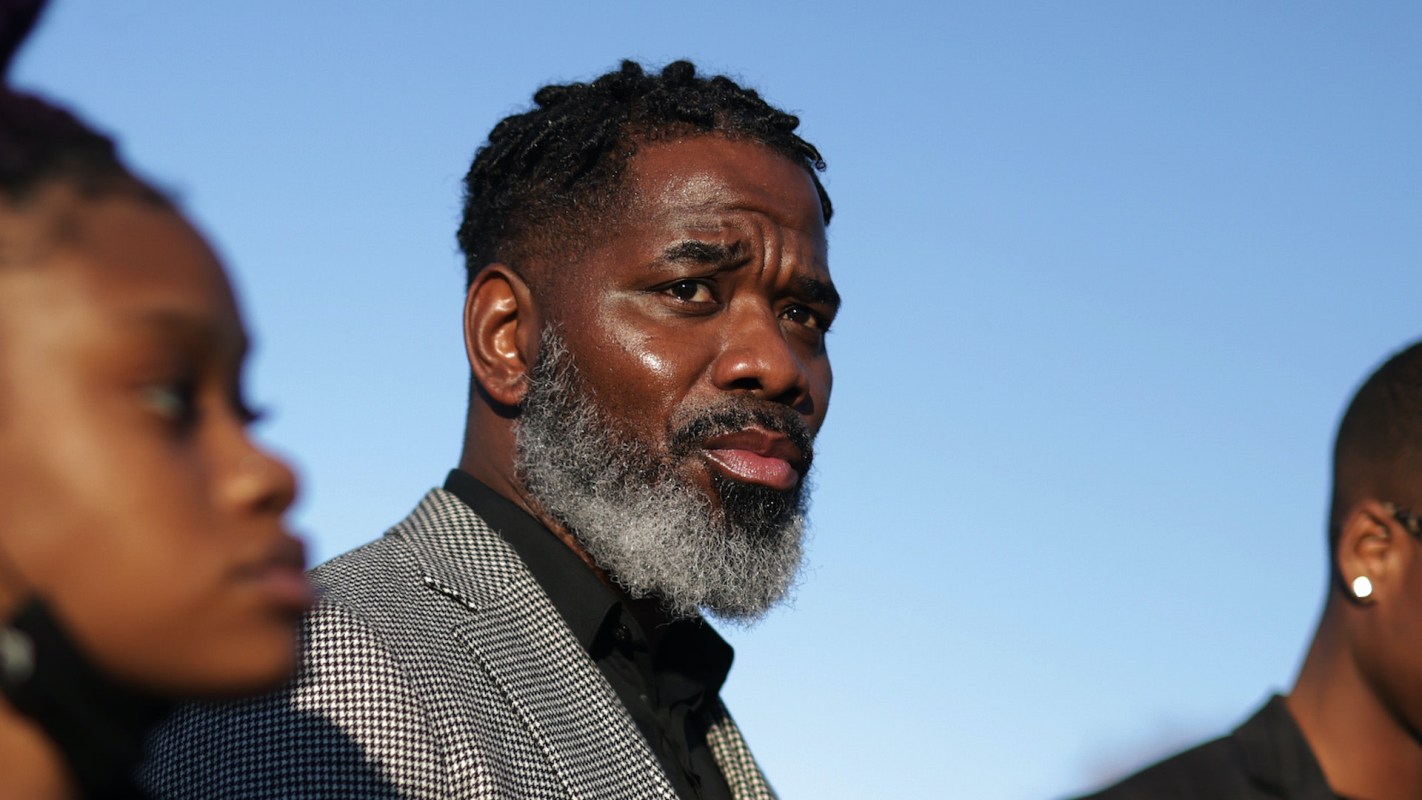
In Enfield, North Carolina, where families often face sky-high energy bills, Mayor Mondale Robinson is rallying residents and allies to reimagine what's possible. His ambitious plan — beginning with a solar-powered "weatherization hub" — could help the community save money, gain resilience, and chart a path toward clean energy independence, according to Canary Media.
The hub, now taking shape inside a once-vacant house, will serve as a one-stop resource center for energy efficiency. Residents will be able to learn how to cut utility costs, access reliable internet, and prepare for the future of solar power. For Robinson, it's not just about lowering bills — it's about providing his small town with the tools to thrive in a changing economy.
However, turning vision into reality hasn't been easy. From limited funding to political pushback, Robinson has faced steep obstacles in bringing clean energy to one of America's poorest communities. Still, he says, the work is too important to abandon.
"In spite of our federal government, in spite of, sometimes, our state government, we still stand up. We still try," Robinson told Canary Media.
The hub is meant to double as a community space for the town of about 1,900 residents. Robinson sees it as a foundation for bigger projects — including a "solar garden" that would enable neighbors to generate and share affordable clean energy. The plan to provide internet access, a resource sorely lacking in many rural areas, is also crucial to Enfield.
There, the stakes are high. The town faces a poverty rate of over 30% — close to three times the national average. Residents, around 88% of whom are Black, often spend a disproportionate share of their income on utility bills, a burden made worse by aging infrastructure, rising temperatures, and extreme weather. "Energy poverty" isn't just a financial issue — it affects health, housing stability, and overall quality of life.
What's happening in Enfield reflects a larger story unfolding across the United States and the world. From stronger hurricanes in coastal cities to deadly heat waves everywhere, communities are struggling to keep up with the costs of a warming world. And the impacts on communities that have been historically marginalized are almost always more deeply and widely felt. The transition to clean energy, meanwhile, could provide an economic lifeline for families who have long been left out of investment and opportunity.
Robinson is working with state and national partners to secure funding and resources, even as he faces challenges from political leaders resistant to renewable energy expansion. Programs like the Inflation Reduction Act have previously created unprecedented funding opportunities for solar projects and energy efficiency. Even as some IRA benefits now hang in the political balance, grassroots leaders are finding creative ways to bring key innovations to small towns.
For Robinson, the work in Enfield is about more than technology. It's about justice, opportunity, and dignity for communities that have too often been overlooked and inequitably resourced.
"We're at a point now where we need people to start seeing that this thing is not 12 years away, two years away, or even a year away," Robinson told Canary.
TCD Picks » Quince Spotlight
💡These best-sellers from Quince deliver affordable, sustainable luxury for all




|
Should the government be paying us to upgrade our homes?
Click your choice to see results and speak your mind. |
 Definitely 💰
Join our free newsletter for good news and useful tips, and don't miss this cool list of easy ways to help yourself while helping the planet.
Cool Picks




