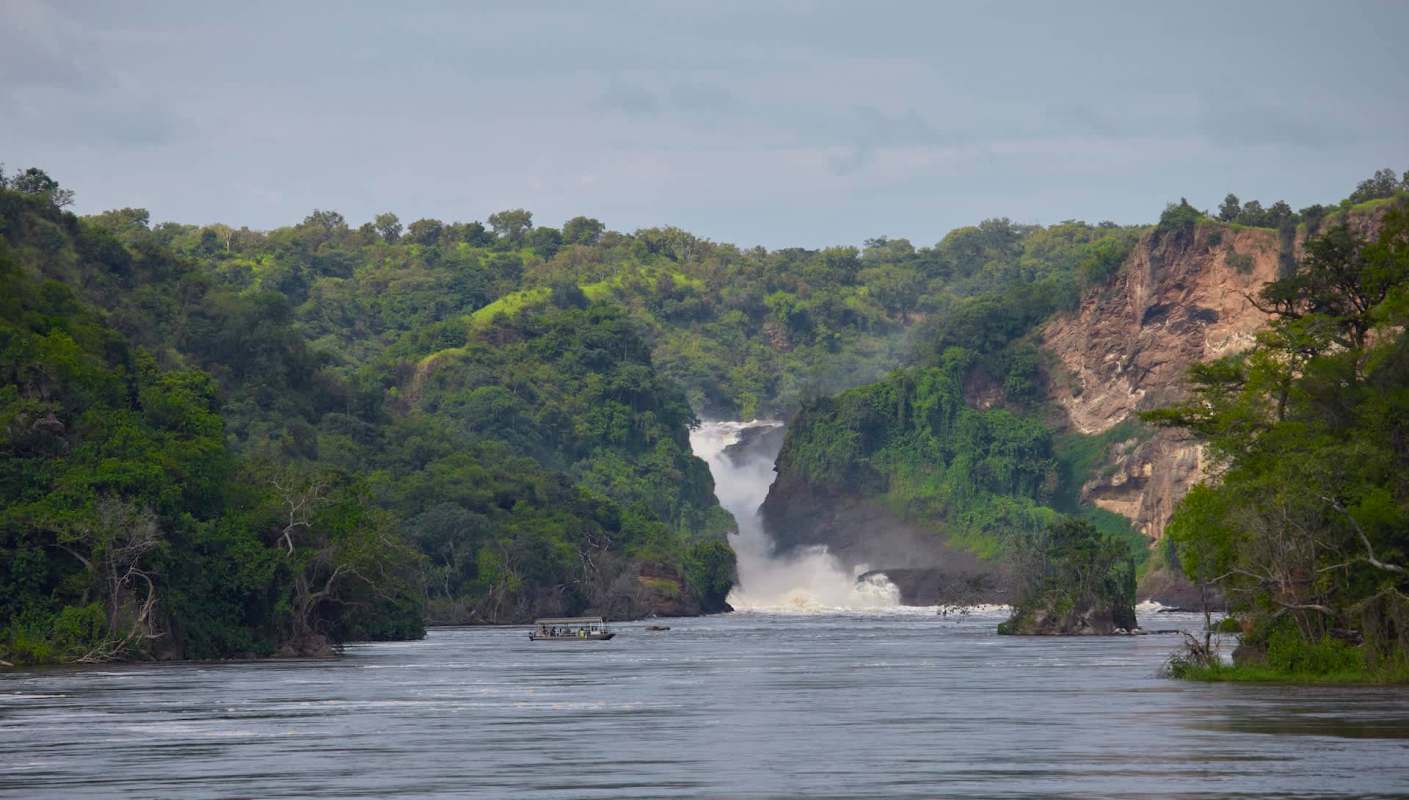
Satellite analysis has revealed that construction tied to the East African Crude Oil Pipeline (EACOP) is continuing inside one of Uganda's most sensitive natural areas.
What's happening?
According to Mongabay, satellite imagery from a U.S.-based watchdog, Earth Insight, showed that 39% of the EACOP was near completion within a national park's boundaries as of June 2025. Officials have suggested even faster progress.
French oil giant TotalEnergies is leading the controversial project. It cuts through a protected national park and edges dangerously close to a Ramsar-listed wetland system.
Nine drilling sites and 24 miles of roads have been carved inside Uganda's Murchison Falls National Park. The park is also home to endangered Rothschild giraffes, elephants, and kob antelopes.
One site sits right on the edge of the Murchison Falls–Albert Delta Wetland System. The system houses waterbirds, freshwater fisheries, and the livelihoods of surrounding communities.
Why are the pipelines concerning?
Pipelines through fragile habitats bring the ever-present risk of oil spills. Oil spills could harm both biodiversity and the people who rely on the area for fishing and farming.
Save $10,000 on solar panels without even sharing your phone number Want to go solar but not sure who to trust? EnergySage has your back with free and transparent quotes from fully vetted providers that can help you save as much as $10k on installation. To get started, just answer a few questions about your home — no phone number required. Within a day or two, EnergySage will email you the best local options for your needs, and their expert advisers can help you compare quotes and pick a winner. |

Uganda's largest protected park is a biodiversity hotspot and a tourism engine. One oil spill could wipe out jobs as well as ecosystems.
Diana Nabiruma of the Africa Institute for Energy Governance called the development inside the Ramsar site particularly "sad," pointing out that "community members and some tourism sector stakeholders rely directly on these resources."
Climate experts also warn that new oil infrastructure locks countries into decades of dirty fuel dependence. This can't happen at a time when the world needs to rapidly cut pollution to avoid the worst effects of our Earth's overheating.
What's being done about the pipelines?
Civil society groups and environmental activists have continued to urge TotalEnergies to stop drilling within national parks and wetlands.
TCD Picks » Quince Spotlight
💡These best-sellers from Quince deliver affordable, sustainable luxury for all




|
Do you think America does a good job of protecting its natural beauty? Click your choice to see results and speak your mind. |
 Definitely 👍
 Campaigns led by AFIEGO and international NGOs have urged the company to relocate
or cancel its drilling sites altogether. While TotalEnergies has not publicly responded to this latest analysis, critics continue to demand stronger safeguards and accountability.
For everyday people, supporting organizations that fight dirty fuel expansion and amplify the voices of frontline communities can help.
On a larger scale, pushing governments and corporations to accelerate clean energy investment can reduce the need for projects like EACOP.
"Civil society and people who care about biodiversity have asked Total to reconsider drilling … to protect nature and protect people's livelihoods," summarized Nabiruma.

Join our free newsletter for good news and useful tips, and don't miss this cool list of easy ways to help yourself while helping the planet.
Cool Picks