


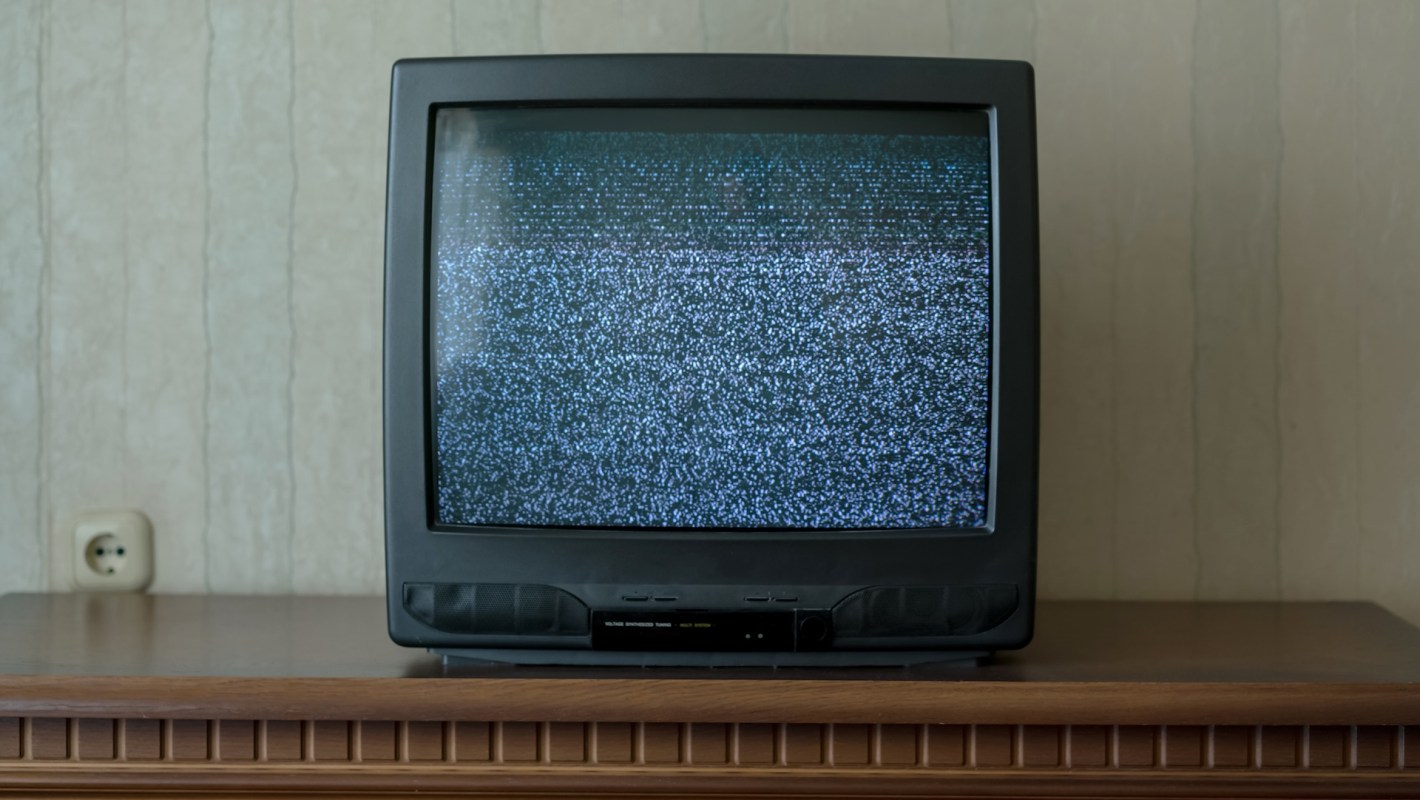
A Reddit user took to the r/mildlyinfuriating community to vent their frustration about being charged a fee to properly dispose of an old television at a local e-waste recycling drop-off. "Maybe I'm not understanding something but forcing me to pay $65 to properly dispose of a single electronic device seems way too high."
"I agree that should be free," one person wrote. "[It's] cheaper to send it to the landfill."
This instance demonstrates a broader issue in the economics of electronic waste. Most might not know, but recycling electronics isn't just throwing items in a bin; it involves specialized labor and processes to safely disassemble and manage components.
A large portion of recycling costs comes from the manual labor required to separate plastics, metals, glass, and hazardous parts such as lithium batteries and circuit boards. This ultimately drives up fees, which are often passed on to consumers.
Another Redditor argued that such steep fees are rather "counterproductive" and could encourage improper disposal or even illegal dumping in the community.
Improperly disposing of electronics carries real environmental risks. Devices such as TVs and laptops contain hazardous substances, including lead, mercury, and cadmium, which can leach into soil and groundwater if left in landfills or burned. Also, valuable materials such as gold, silver, copper, and even lithium go to waste when not recycled, increasing demand for environmentally disruptive mining.
Many commenters suggested alternative solutions, such as finding supply stores that take e-waste for free and even shifting the cost burden to manufacturers or retailers, as is done in some European countries.
Washington State began an e-waste program that requires manufacturers to finance recycling infrastructure and allow free consumer drop-off. You can even make money from your old electronics.
While the fee may feel punitive, the goal is to keep e-waste out of landfills. Nevertheless, the challenge remains in finding policies that balance environmental responsibility with economic fairness so that proper recycling is the easiest choice for everyone.
|
Should companies be required to help recycle their own products?
Click your choice to see results and speak your mind. |
 Definitely 👍
Get TCD's free newsletters for easy tips to save more, waste less, and make smarter choices — and earn up to $5,000 toward clean upgrades in TCD's exclusive Rewards Club.
TCD Picks » Quince Spotlight
💡These best-sellers from Quince deliver affordable, sustainable luxury for all




Cool Picks





