


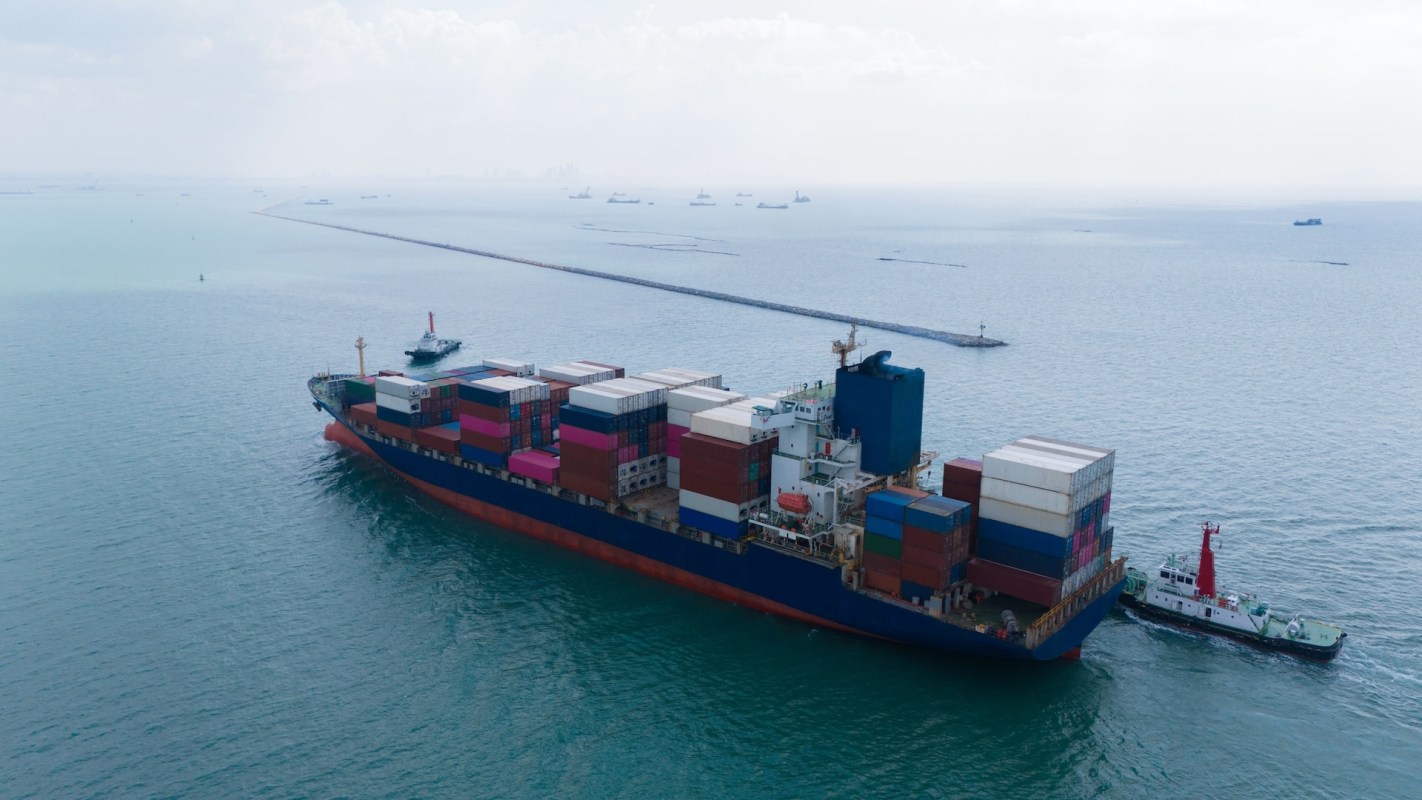
Port authorities in Bangkok intercepted 238 tons of e-waste that the United States shipped, according to the London School of Economics and Political Science.
What happened?
The containers were packed with defunct electronics, tangled cables, and broken circuit boards, all mislabeled as basic scrap metal to bypass import restrictions. Thailand environmental officials confirmed the shipment broke their laws against accepting foreign electronic waste.
The discovery accounts for just a fraction of the over 5 billion kilograms of electronic waste that crossed international borders in 2022, with most moving from wealthy nations to developing ones through falsified paperwork or misleading classifications.
Why is electronic waste concerning?
When old electronics get dumped overseas, the financial losses are staggering. The metals inside discarded devices, including gold, copper, and more, go up in smoke.
Every smartphone contains materials that took extensive mining operations and manufacturing processes to produce. Workers in places such as Ghana earn about $11 daily handling 30 kilograms of electronic waste, exposing themselves to serious health risks while recovering just a fraction of these materials' original values, according to environmental economics professor Jessica Coria.
The environmental damage compounds these economic losses. Improper electronic waste handling releases 93 billion kilograms worth of carbon pollution that proper recycling could prevent.
Studies near disposal sites in West Africa found dramatically higher infant mortality rates. The annual global cost of disposal practices reaches $78 billion when factoring in health impacts, pollution cleanup, and environmental degradation.
Is anyone doing anything about this?
The United States signed the Basel Convention, an international agreement meant to control hazardous waste shipments, but never ratified it. This leaves American companies free to export electronic waste without the restrictions other nations face.
Thailand and Malaysia strengthened their import bans after China stopped accepting foreign electronic waste in 2018, but shipments keep arriving through fraudulent documentation.
Formal recycling programs have made some progress. For instance, processing costs for recovering phone and laptop metals run about $177 per ton in Europe and $145 in America, compared to just $68 in China. These operations recover valuable materials safely while preventing toxic releases.
TCD Picks » Quince Spotlight
💡These best-sellers from Quince deliver affordable, sustainable luxury for all




|
What do you usually do with your old electronics? Click your choice to see results and speak your mind. |
 Store them at home 📦
 Several Southeast Asian nations are developing regulated processing facilities that could handle electronic waste responsibly if given proper investment and technology.
What can I do about electronic waste?
Before replacing electronics, consider whether repairs would extend their lifespans. When devices truly need to be replaced, look for certified recycling programs that recover valuable materials the right way.
Purchasing refurbished devices slashes the demand for new ones while keeping functional electronics in use. These options typically cost less than new items while delivering similar performance.
Support companies that design products for longevity and repairability, which also encourages better industrywide practices.

Join our free newsletter for good news and useful tips, and don't miss this cool list of easy ways to help yourself while helping the planet.
Cool Picks





