


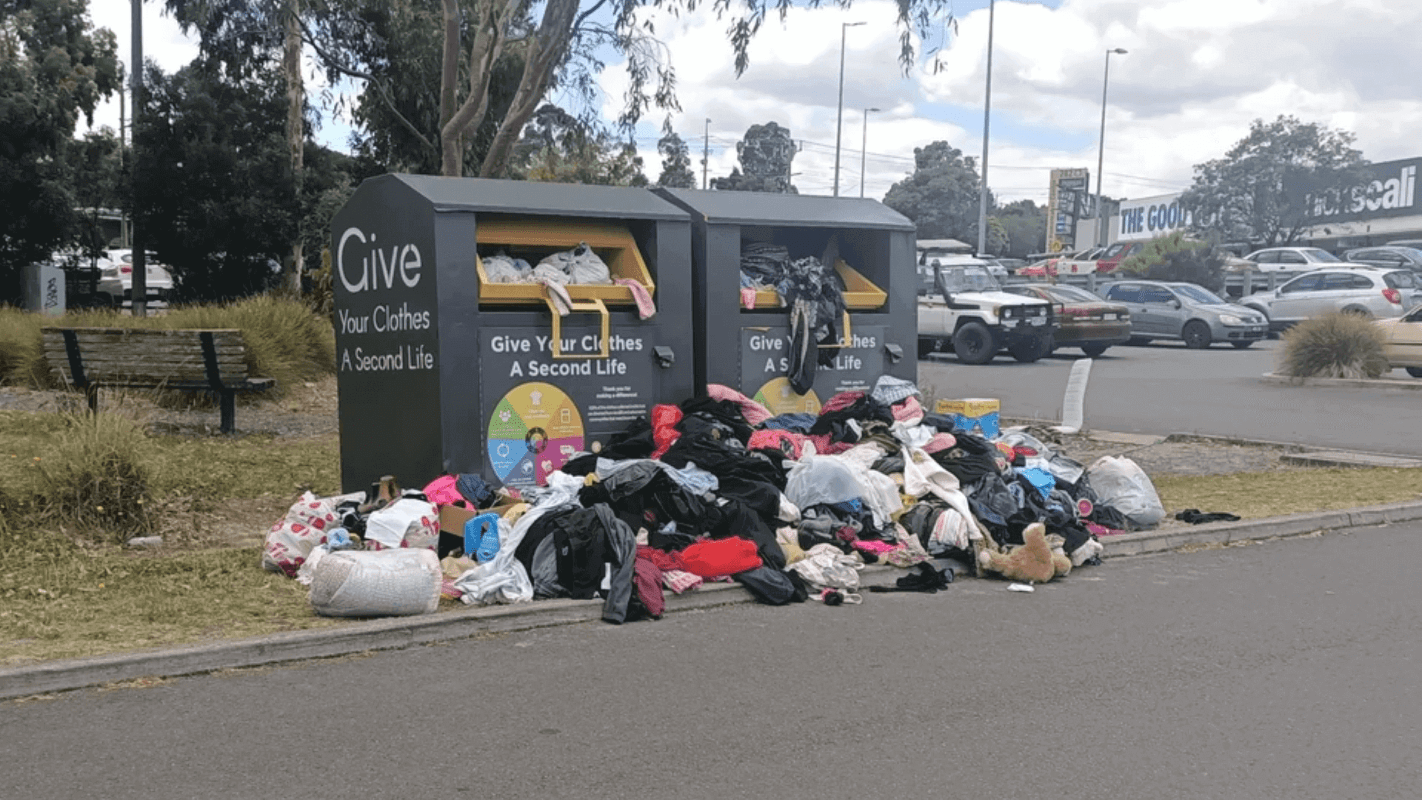
A recent photo posted in the r/Melbourne subreddit has prompted a discussion about just what happens to donated clothes once the owners give them up — and how the system could be improved.
The original post, shared by a Redditor user earlier this month, is pretty bleak.
"System is broken somewhere," writes the poster, along with a photo of clothing donation bins outside a shopping center parking lot. The boxes are overflowing, with more clothing and shoes piled on the grass around them, some spilling from overstuffed plastic bags.
Commenters seem unsurprised by the excess.
"A lot of thrift stores in my area aren't accepting stuff anymore, because they are so flooded with stuff, and not enough people are going," one comments.
Other users suggest that this is due to large thrift stores overpricing these freely donated items.
"I've seen a few items at my local Goodwill that are actually priced above the retail price sticker left on the packaging," another user writes.
Another commenter suggests an alternative possibility. "I've seen this outside donation boxes where I live in the US. It's usually one person's drop off and they are moving or spring cleaning and just dump everything and half of it is trash."
If this is the case, then the problem is not the companies reselling the clothing, but individuals misusing the donation system.
Whatever combination of causes creates this issue, it seems that the U.S. produces more secondhand clothing than thrift stores can sell. The fate of these clothes, such as Chile's unofficial landfills in the Atacama Desert, is a problem for those who want to protect the environment, as some garments can take decades or centuries to decompose.
TCD Picks » Quince Spotlight
💡These best-sellers from Quince deliver affordable, sustainable luxury for all




Thankfully, many commenters had suggestions for reducing this surplus.
"Everyone should be buying used clothing," one writes, pointing out that the more people buy secondhand, the less demand there will be for new items.
Another suggests, "Give to charities, not thrift stores," and a third adds, "Give away on Buy Nothing or to friends and family."
"There are so many ways for people to sell their clothes themselves these days that they don't need the thrift store as an intermediary," writes one commenter, who suggested Facebook, Mercari, and Poshmark as possible places to sell.

Join our free newsletter for cool news and actionable info that makes it easy to help yourself while helping the planet.
Cool Picks





