


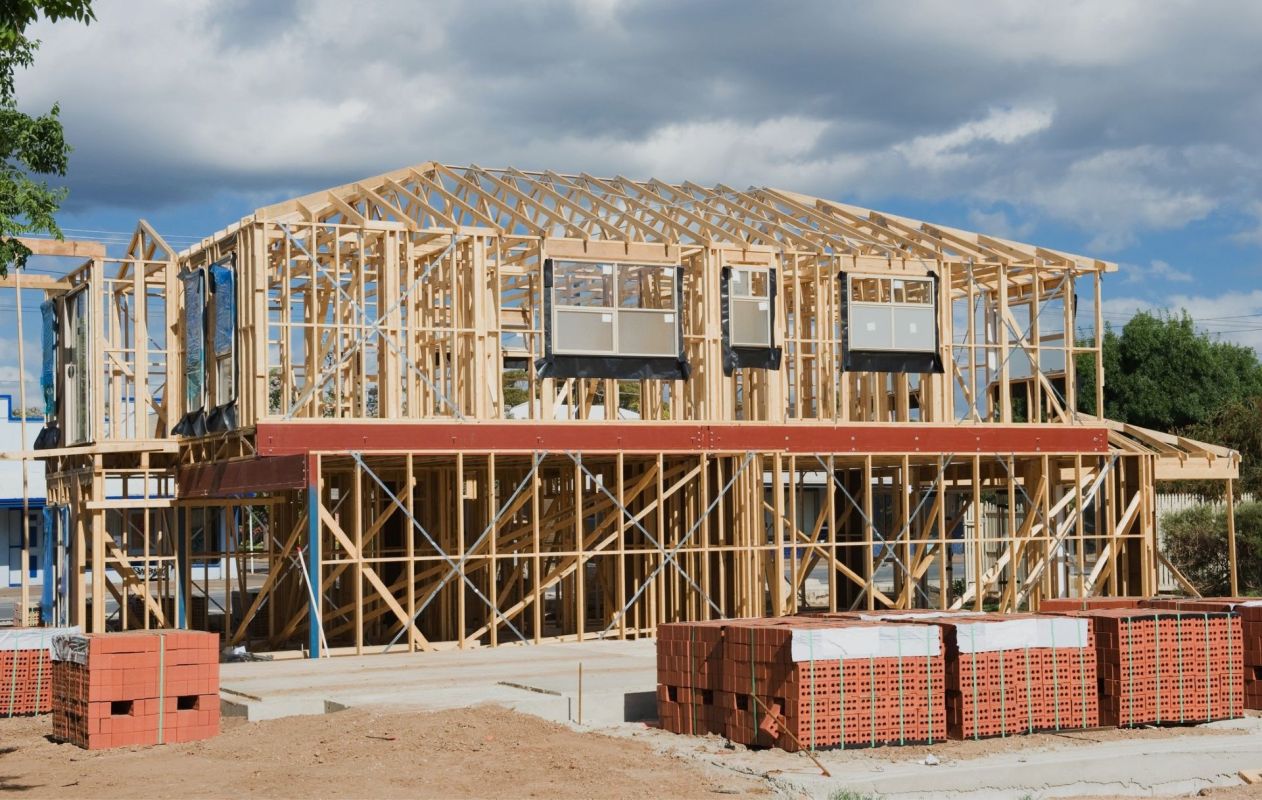
Developers building new housing across Sydney, Australia, are choosing to kill native animals as a cost-saving tactic instead of pursuing humane options, reported the Sydney Morning Herald.
A New South Wales parliamentary inquiry heard from wildlife rescue organizations that the current permit system for harming native animals is deeply flawed. The inquiry, led by Animal Justice Party MP Emma Hurst, looked at non-commercial licenses granted to private property owners under rules that took effect in 2016.
Jessica Crause, chair of Sydney Wildlife Rescue's central branch, testified that she keeps getting called back to the same neighborhoods where lethal permits are reissued again and again. In the Sutherland Shire, she described a case where between 65 and 70 sulphur-crested cockatoos and corellas were secondarily poisoned after toxins intended for a different animal spread to them.
The details are hard to stomach. Some exterminators reportedly abandon their own traps on-site, and possums end up stuck inside them for weeks at a time. Trees with birds still nesting inside them get cut down. Rescue groups took in 50 baby birds and eggs from hollow-nesting species across four weeks, among them gang-gang cockatoos, a threatened species.
When volunteers step in, things go much better. Crause put in over 100 hours and 16 site visits to help a building owner in Sydney's city center work out a peaceful solution for peregrine falcons nesting on a skyscraper. Falcons targeted workers wearing high-visibility gear, so Crause taught the birds to tolerate them. Every falcon survived, and six to 10 chicks grew up and flew from the nest.
The weight on unpaid rescuers is mounting. Crause testified that she sees "cruelty [that is] significant and visible."
"We have projects going through environmental impact assessment as part of their requirements saying they'll have volunteer wildlife carers on site so their multi-million or hundreds-of-million-dollar projects can go ahead on the expectation that the volunteers will provide this service at no cost," said Dr. Colin Salter, policy lead at WIRES. "This is an endemic issue."
Dr. Renae Charalambous, wildlife program manager at Humane World for Animals, added that the surge in permits led to "an average of one animal being shot, poisoned or otherwise destroyed every minute" in 2025.
|
What's the most you'd pay per month to put solar panels on your roof if there was no down payment?
Click your choice to see results and earn rewards to spend on home upgrades. |
 $200 or more 💰
Get TCD's free newsletters for easy tips to save more, waste less, and make smarter choices — and earn up to $5,000 toward clean upgrades in TCD's exclusive Rewards Club.
Cool Picks




