


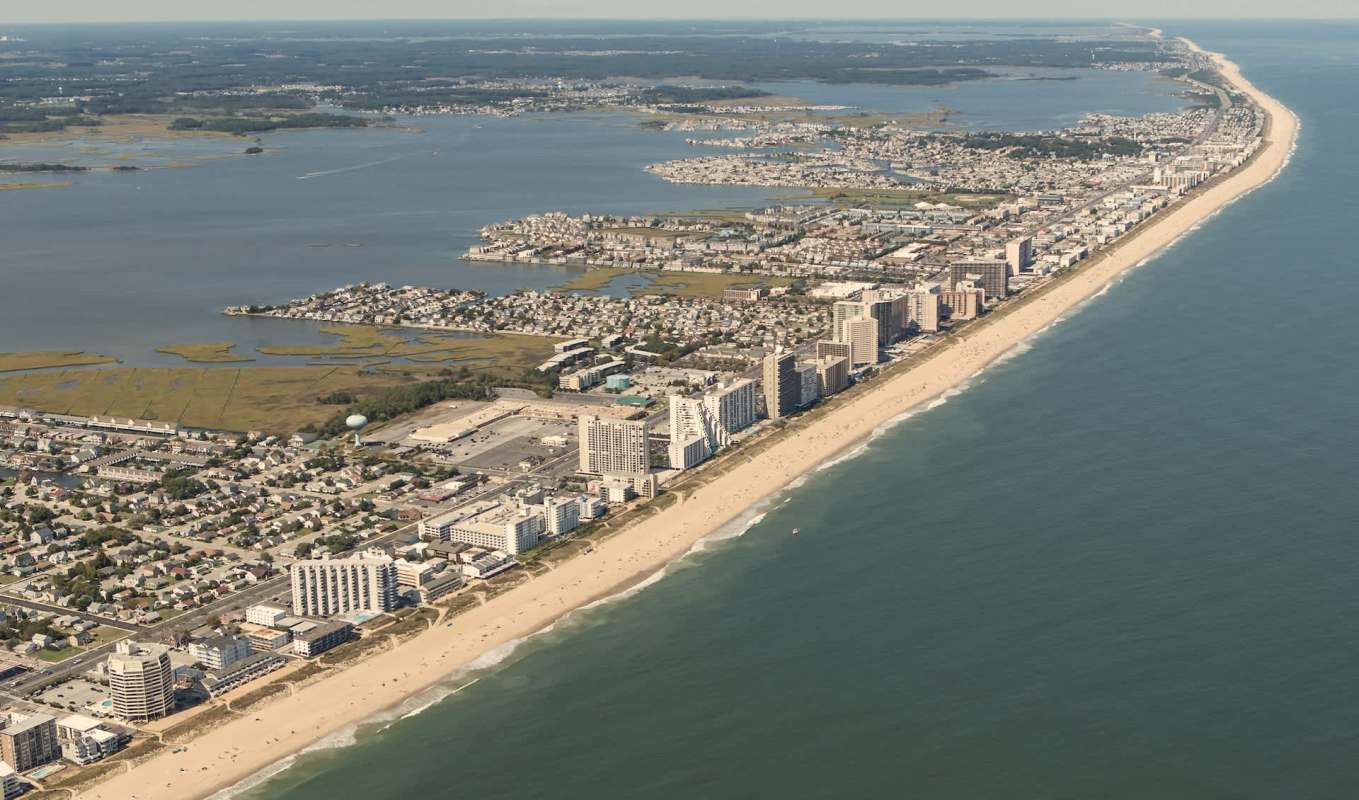
Summer heat is hitting Delmarva, Maryland, residents as electricity costs climb, adding financial strain on households trying to stay cool.
Part of that pressure stems from the rapid expansion of artificial intelligence and the power-hungry data centers that support it, which are driving up electricity demand and exacerbating affordability concerns.
What's happening?
Over the past three years, the average Delmarva Power customer's summer bill has risen by about $28 per month, according to Delmarva Power, as WMDT reported.
The utility says the increase reflects a broader affordability challenge nationwide, with electricity demand rising faster than power generation and not enough power plants to meet current demand.
According to Delmarva Power Regional President Marcus Beal, customer bills are heavily shaped by the price of electricity generation in the PJM marketplace. He said about 60% of a bill comes from generation costs, around 30% goes toward delivery and grid infrastructure, and the remainder covers taxes and surcharges, WMDT reported.
Beal said Delmarva Power only controls about a third of a customer's bill through the delivery charge, which covers grid maintenance and infrastructure investments. "The side that we control, about 30% to 33% of your bill, is the delivery charge. That name is very confusing for a lot of folks."
TCD Picks » Quince Spotlight
💡These best-sellers from Quince deliver affordable, sustainable luxury for all




At the same time, summer air conditioning use is driving up consumption, so many families could end up paying more because rates are higher and they are using more electricity.
Why does it matter?
An extra $28 a month can be a strain on household budgets, but during the hottest part of the summer, using less air conditioning is not always safe.
AI is becoming more connected to the power system in multiple ways. Utilities can use it to predict demand, respond to outages, and better manage clean energy by improving how solar, wind, and battery storage work together. It can advance new types of solar tech — researchers used AI-powered simulations to better understand halide perovskite materials, which are useful since they are lightweight and flexible.
However, AI and data centers can also increase electricity demand, drive up bills, and deepen concerns about infrastructure security, misuse, and broader social harms. Data centers can also cause severe noise concerns, such as in the case of Microsoft's Fairwater data center.
What can I do?
While residents have no control over wholesale power markets, they can still take steps to reduce the effect on their own bills. Short-term fixes include sealing air leaks, replacing HVAC filters, closing blinds to keep out heat, using major appliances during cooler parts of the day, and raising the thermostat a few degrees when it is safe and practical.
More broadly, the region still faces the challenge of adding enough generation, transmission, storage, and efficiency resources to keep up with rising demand from households, businesses, and new technologies without repeatedly passing steep increases on to residents.
The scale of that challenge is evident in the rapid rise in wholesale electricity prices. As Beal stated: "That price has increased over the past few years, from about $28 per megawatt-hour to about $333 per megawatt-day, so that percentage increase is massive."

Get TCD's free newsletters for easy tips, smart advice, and a chance to earn $5,000 toward home upgrades. To see more stories like this one, change your Google preferences here.






