


Delaware lawmakers are taking a simple step that could make a big difference for both your junk drawer and your health.
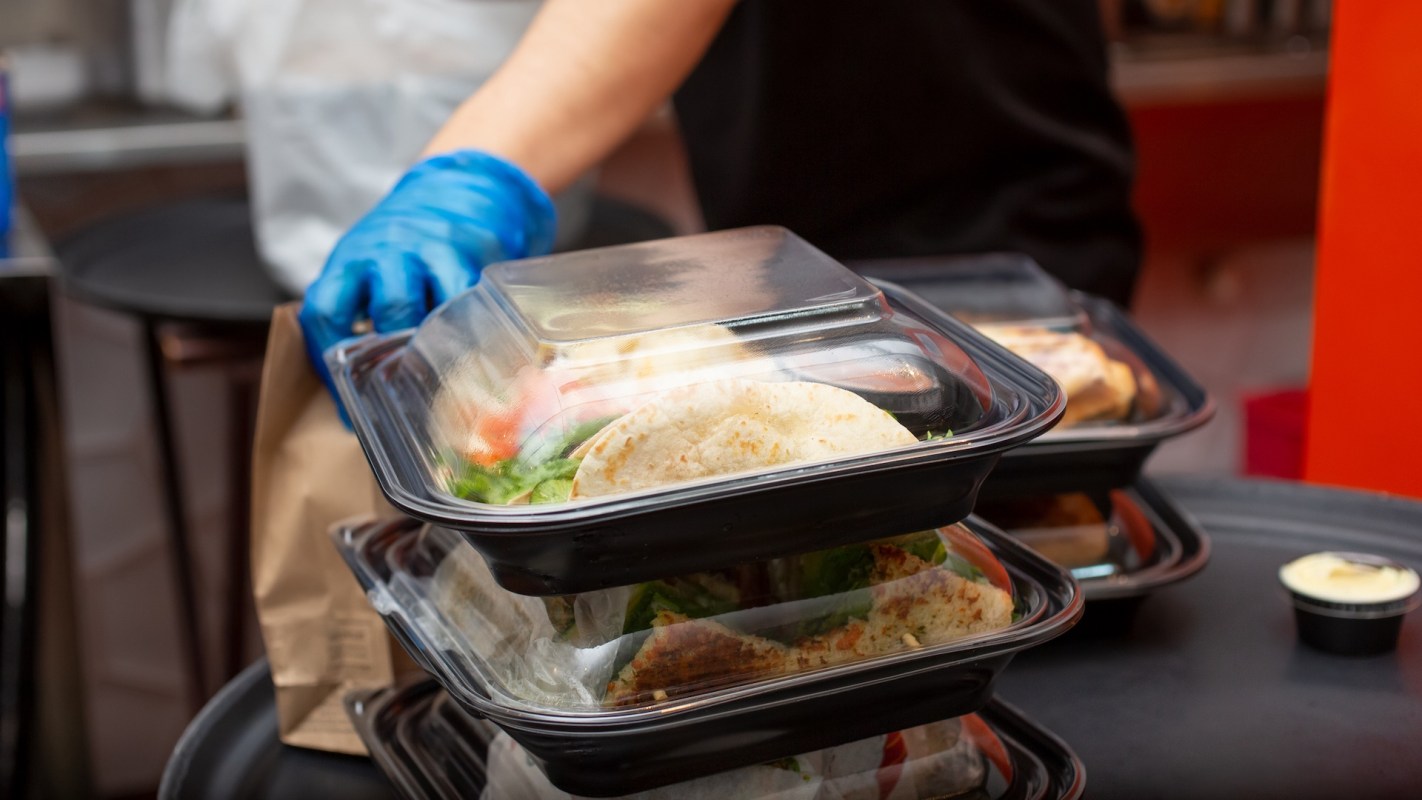
Delaware Public Media reported that the state House has advanced a so-called "Skip the Stuff" bill that would stop restaurants from automatically including plastic forks, napkins, and condiment packets in takeout and delivery orders. Instead, customers would need to request those items or pick them up from a self-service station.
If the measure becomes law, restaurants that repeatedly ignore the rule could face fines starting at $100 for a third violation and rising to $500 for additional offenses.
Importantly, this is not an outright ban.
As bill sponsor Rep. Sophie Phillips explained, "Not included in this bill are pizza boxes … cups like the Dewey Beach orange crush cups … containers that food or drinks are served in are not included. It's stuff served with food, like extra cups, not the cups or containers or anything that your food is coming in."
According to FoodPrint, 139 million metric tons of single-use plastic waste were generated in 2021, up from 133 million metric tons in 2019. With about 60% of Americans ordering takeout or delivery at least once a week, millions of plastic utensils and packets end up in the trash.
That plastic doesn't just clutter landfills. Over time, it breaks down into microplastics that can enter our food and water.
Researchers are still learning how those particles affect the human body, but early studies suggest they may be linked to inflammation and other health concerns. Eliminating unnecessary plastic at the source is one way to reduce that exposure.
Supporters say the voluntary "opt out" systems haven't worked. Plastic Free Delaware board member Dee Durham testified that even when her household selected "no utensils," they still received them.
"The big problem here is that the vast majority of this is when we already opted out," she said, adding that coastal and river cleanup data show how common these items remain.
TCD Picks » Upway Spotlight
💡Upway makes it easy to find discounts of up to 60% on premium e-bike brands





|
What's the most you'd pay per month to put solar panels on your roof if there was no down payment?
Click your choice to see results and speak your mind. |
 $200 or more 💰
 Critics, including restaurant owners in tourist areas, worry about confusion and bad reviews from visitors unfamiliar with the rule. One proposed solution is to emphasize clear signage and staff reminders so customers know to ask.
Other places — including New York City and parts of New Jersey — have already rolled out similar policies with warning periods before fines.

Get TCD's free newsletters for easy tips to save more, waste less, and make smarter choices — and earn up to $5,000 toward clean upgrades in TCD's exclusive Rewards Club.
Cool Picks





