


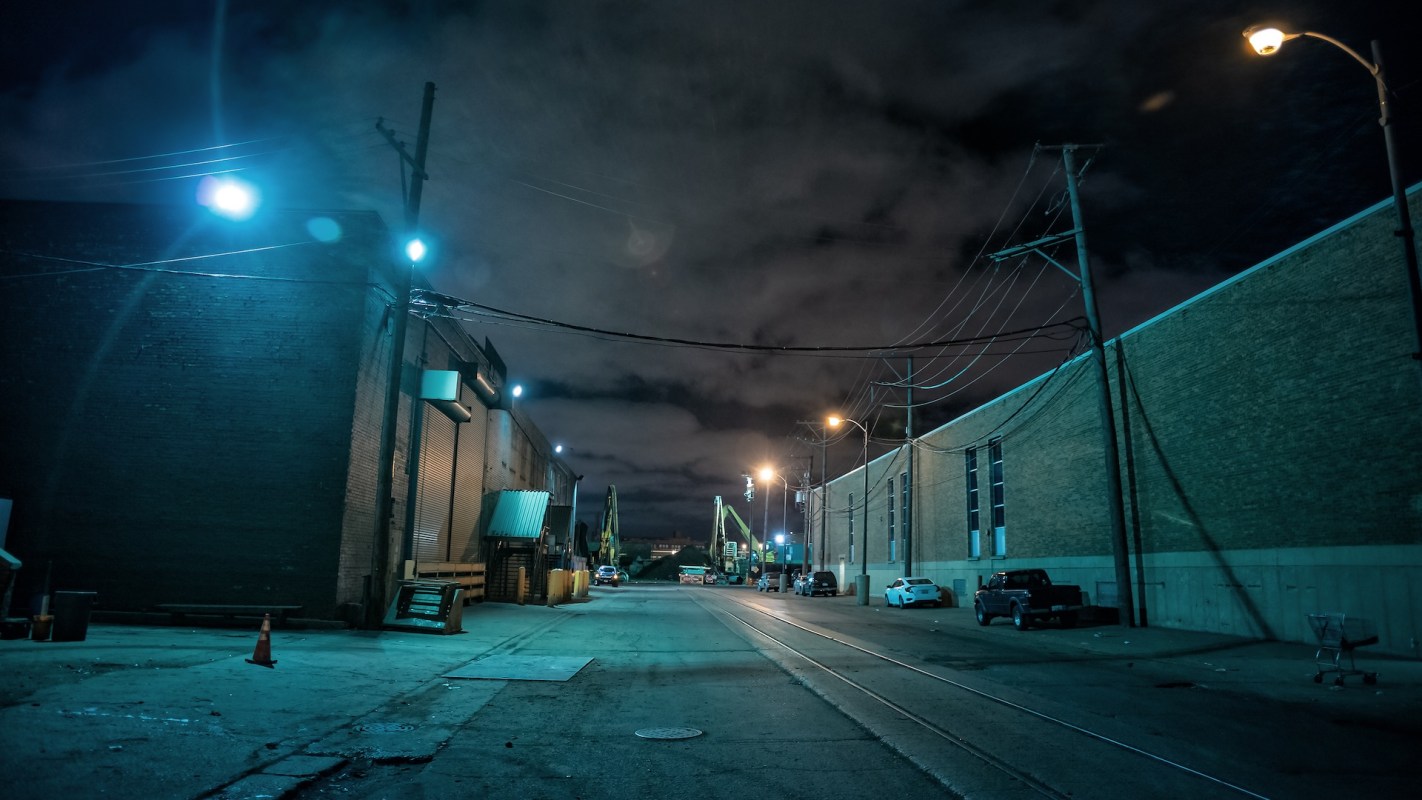
A growing number of South Florida residents may soon find themselves living near a new kind of neighbor: artificial-intelligence-focused data centers.
What's happening?
Data centers are expanding across South Florida, particularly in industrial areas of Miami-Dade and Palm Beach counties, as companies race to keep up with booming demand for AI and cloud computing, the Tampa Bay Times reported.
A recent Pew Research Center analysis said more than 1,500 data centers were in some stage of development in the United States, on top of about 3,000 already operating nationwide. Florida already has about 120 active data centers, with more on the way.
The newest wave in South Florida includes Iron Mountain's 150,000-square-foot facility rising in Westview, Miami-Dade County; Metrobloks' 112,900-square-foot site near the Everglades; and a smaller "micro-data center" planned in South Miami-Dade, according to the Tampa Bay Times.
In Palm Beach County, a much larger proposed development known as Project Tango would include about 1 million square feet of data center space and nearly 2 million square feet of warehouse space if it secures rezoning approval.
Supporters say these projects are now part of everyday life. As attorney Joshua Forman told local reporters, data centers are "the backbone for the internet."
TCD Picks » Quince Spotlight
💡These best-sellers from Quince deliver affordable, sustainable luxury for all




Data center demand rose sharply during the pandemic, as remote work and video conferencing became more common. Generative AI has pushed that demand even higher, since training and running AI systems requires enormous computing power.
Why is data center growth concerning?
The biggest concern is the amount of pressure data centers can place on local resources.
These facilities use large amounts of electricity to keep servers running 24/7, and many also need significant amounts of water for cooling. The Tampa Bay Times noted that one proposed $2.6 billion data center in Polk County, for instance, was expected to use 50,000 gallons of water a day. For people who live near planned developments, that kind of demand can raise fears about stressed utilities and, eventually, higher household energy costs.
Noise is another issue. The steady hum of cooling equipment has become a common complaint in neighborhoods near data centers, and South Florida residents are voicing similar worries as new projects move forward, often with what they feel is insufficient oversight.
"At the end of the day, it's about our quality of life," Little River Farms resident Trameka Rios said, according to the Tampa Bay Times.
There is also a broader environmental concern. As AI adoption grows, so does the need for the energy-intensive infrastructure behind it.
That tension is one reason some experts are sounding the alarm. University of Miami computer science professor Nick Tsinoremas said the current path for AI is "not sustainable" because it "requires way too much power and way too many resources."
Transparency is another sticking point. In some cases, data centers can move forward without rezoning if the land is already designated for industrial use. That can mean limited notice to neighbors, even when a large facility is planned near homes.
Critics say zoning rules often treat data centers too much like ordinary warehouses, even though their energy and water needs can be far greater.
What's being done about data centers?
Some policy changes are already in motion. According to the Tampa Bay Times, Florida Gov. Ron DeSantis recently signed a law intended to stop data centers from shifting energy costs to nearby residents and also let municipalities block proposed developments.
Experts and residents are also calling for clearer zoning and approval standards. One major idea is to treat data centers differently from standard warehouses, so that local governments can better assess whether an area has sufficient power capacity before a project is approved.
For communities, public engagement remains one of the strongest tools available, and as town hall meetings nationwide have shown, they are up to the task.
"When I'm directly affected, I'm certainly going to get involved and fight for not only my family, but for all my neighbors," Corey Kanterman, a stay-at-home dad who lives near the proposed data center, told the Tampa Bay Times. "We have everything to lose and nothing to gain."
As AI continues to reshape industries, those local decisions will play an increasingly important role in determining whether the benefits of the technology outweigh the costs for the people living next door.

Get TCD's free newsletters for easy tips, smart advice, and a chance to earn $5,000 toward home upgrades. To see more stories like this one, change your Google preferences here.






