


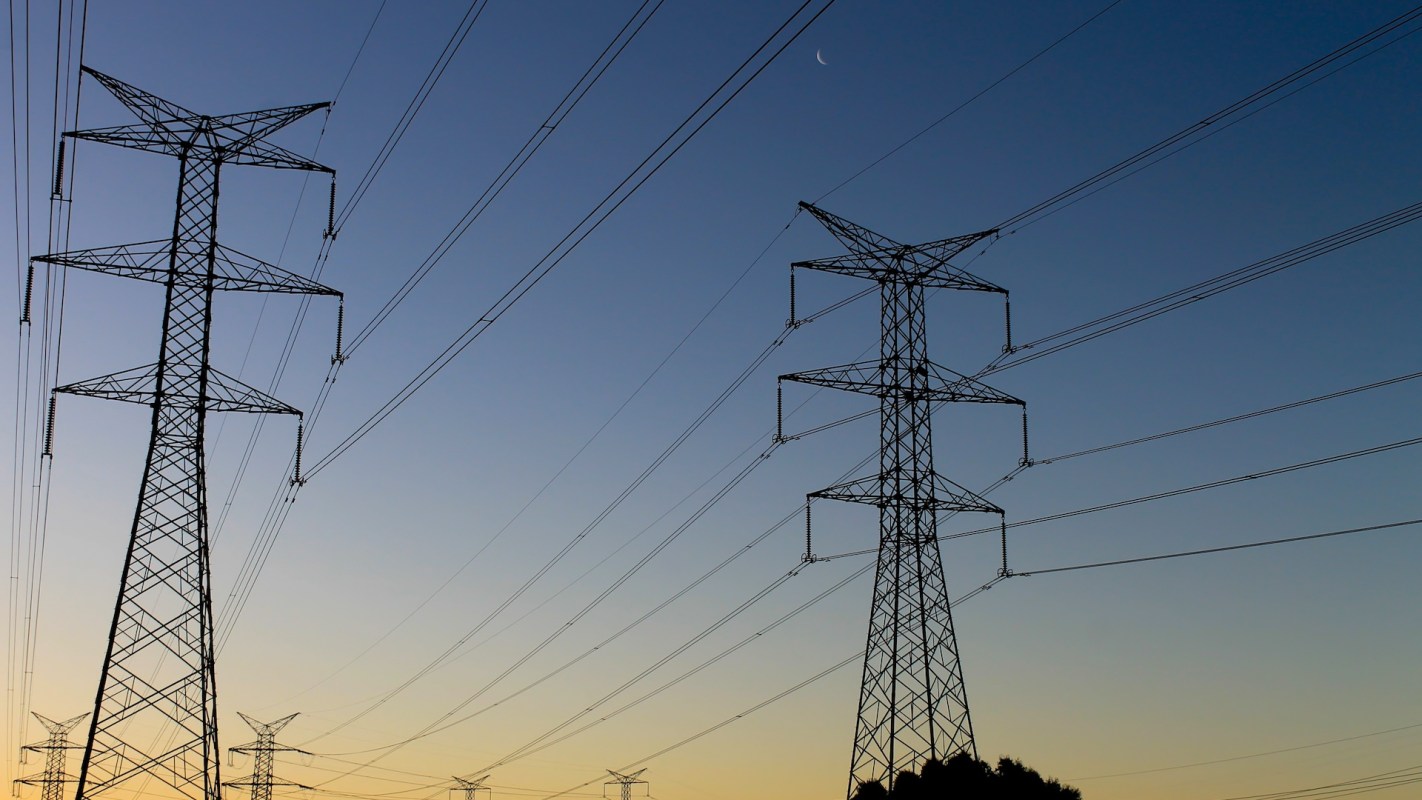
Texas' power grid is getting a multibillion-dollar federal boost as electricity demand continues to climb with the rapid growth of AI, massive data centers, manufacturing facilities, and the oil and gas industry.
For residents and small businesses, the central question is whether the investment will actually improve reliability — or if customers will end up with higher electricity bills from paying more for a bigger grid.
What happened?
About 100 transmission projects across Texas are set to be backed by a $3.26 billion federal loan to American Electric Power's Texas utility. The funding will help cover roughly 2,800 miles of new and upgraded transmission infrastructure to strengthen the state's electricity network.
Per The Texan, the financing is being issued through the Office of Energy Dominance Financing under President Donald Trump's executive order, "Unleashing American Energy."
In announcing the financing, U.S. Secretary of Energy Chris Wright said, "This investment will modernize Texas' electric grid, support the energy needed for AI, advanced manufacturing, the Permian Basin, and help keep electricity costs down for Texans."
Officials also said the loan would "save more than one million Texas households and businesses approximately $685 million in electricity costs over the next 30 years," presenting the project as a way to lower consumer costs as power demand climbs.
TCD Picks » Quince Spotlight
💡These best-sellers from Quince deliver affordable, sustainable luxury for all




Why does it matter?
Transmission is taking up a growing share of Texans' electric costs. A recent Texas Public Policy Foundation Life:Powered report said annual transmission costs in the Electric Reliability Council of Texas could exceed $12 billion by 2033, after rising from $1.5 billion in 2010 to $5 billion in 2024, The Texan reported.
According to the report, "the average ERCOT ratepayer paid 57% more in transmission charges in 2024 than in 2010."
The report also points to past transmission investments, such as Competitive Renewable Energy Zones. This connected renewable energy output from West Texas to urban areas in Central and East Texas — but this multibillion-dollar project asked ratepayers to fork over part of the cost.
Because many transmission expenses are spread across ERCOT's customer base, the arrival of data centers and other large industrial users has fueled concern that homeowners and small businesses will end up covering part of the expansion.
The loan could help prevent outages and manage costs, but how much of the grid expansion is ultimately passed on to ratepayers remains an important concern.
What's being done?
The loan marks a milestone toward preparing the grid for rapidly growing demand in Texas, especially in West Texas, where oil and gas activity and data center growth are putting increasing strain on the system. Stronger transmission can move power more efficiently, reduce congestion, and support economic growth with fewer reliability risks.
State regulators are also moving ahead with far larger projects. The Public Utility Commission recently approved construction of 765-kV transmission lines "to meet growing demand from oil and gas operations and data centers in West Texas." The agency put that plan at nearly $14 billion, and it has already drawn pressure from elected officials and landowners seeking to slow the process.
That concern is also showing up at the top levels of state government. Gov. Greg Abbott recently said data centers need to "bring their own power to the Texas grid."

Get TCD's free newsletters for easy tips, smart advice, and a chance to earn $5,000 toward home upgrades. To see more stories like this one, change your Google preferences here.






