


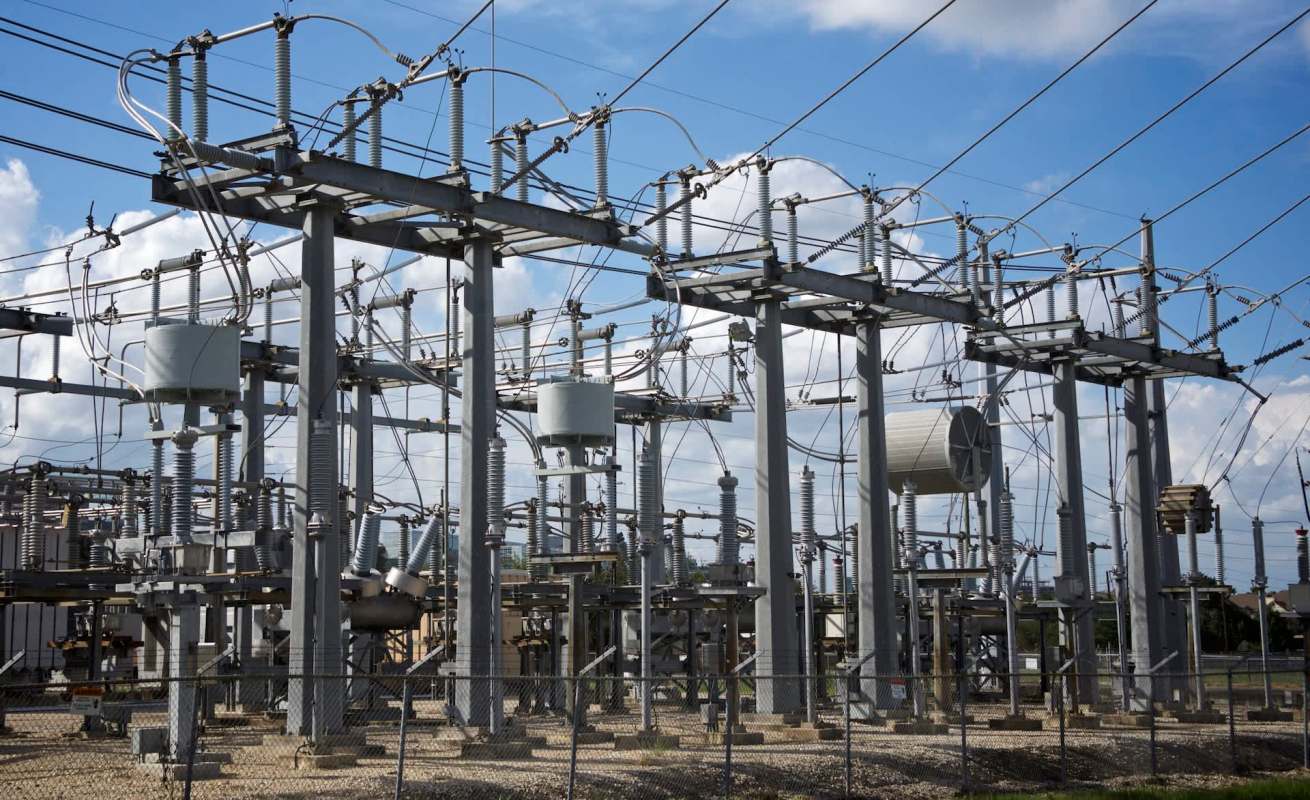
Texas reached a new electricity-use milestone during a stretch of triple-digit heat, with widespread air-conditioning demand driving consumption sharply upward.
The result was the highest demand peak in Texas history, underscoring both the pressure of extreme weather and the state's changing pattern of electricity use amidst the emergence of large, energy-hungry AI data centers.
What happened?
Preliminary figures from the Electric Reliability Council of Texas, or ERCOT, cited by the Houston Chronicle, show demand reaching 91,308 megawatts at 5 p.m. on July 22. That was higher than the prior day's preliminary peak of 87,403 megawatts.
The Houston Chronicle reported that the record to beat was 85,508 megawatts, set in August 2023. ERCOT has said one megawatt can power more than 200 Texas homes during periods of peak use.
Despite the jump in electricity use, the grid stayed stable. ERCOT spokeswoman Trudi Webster said to the outlet that the system remained in normal operating conditions at the peak while keeping reliability as the priority.
The Houston Chronicle reported that although Texas energy consumption is spiking, so is the role of solar panels in its grid.
TCD Picks » Quince Spotlight
💡These best-sellers from Quince deliver affordable, sustainable luxury for all




The outlet noted that solar produced roughly one-third of the grid's electricity during the record demand period. In 2025, Texas solar generation moved ahead of coal-fired power for the first time, and improved battery storage has helped keep that power useful later into the evening.
Why does it matter?
During triple-digit heat, electricity powers air conditioning, refrigeration, medical devices, and other essentials that help protect health and safety.
The milestone highlights how fast Texas' power needs are increasing.
According to the Houston Chronicle, ERCOT had already projected stronger demand from data center expansion, population growth, and hotter summer weather. Because large data centers can consume huge amounts of electricity, they could add even more strain to the grid in the years ahead.
The way the system performed this week suggests the grid is adapting. More solar generation and stronger battery storage may help relieve pressure during the hottest parts of the day.
If confirmed, the new peak would stand more than 5 gigawatts above the 2023 record.
What's being done?
Texas appears to be benefiting from a broader energy mix. Solar's larger role on the grid gave ERCOT significant support during the afternoon peak, and battery storage helped extend some of that benefit into the sunset hours, when solar output typically starts to decline.
That combination can make the grid more resilient during extreme weather. When renewables and storage absorb part of the demand spike, utilities may be better positioned to avoid shortages that can threaten comfort, safety, and household budgets.
ERCOT has also been preparing for higher electricity use, including growth tied to new data centers. Planning for that increase in advance gives grid operators, energy developers, and policymakers more time to add capacity and get the system ready before future records are reached.

Get TCD's free newsletters for easy tips, smart advice, and a chance to earn $5,000 toward home upgrades. To see more stories like this one, change your Google preferences here.






