


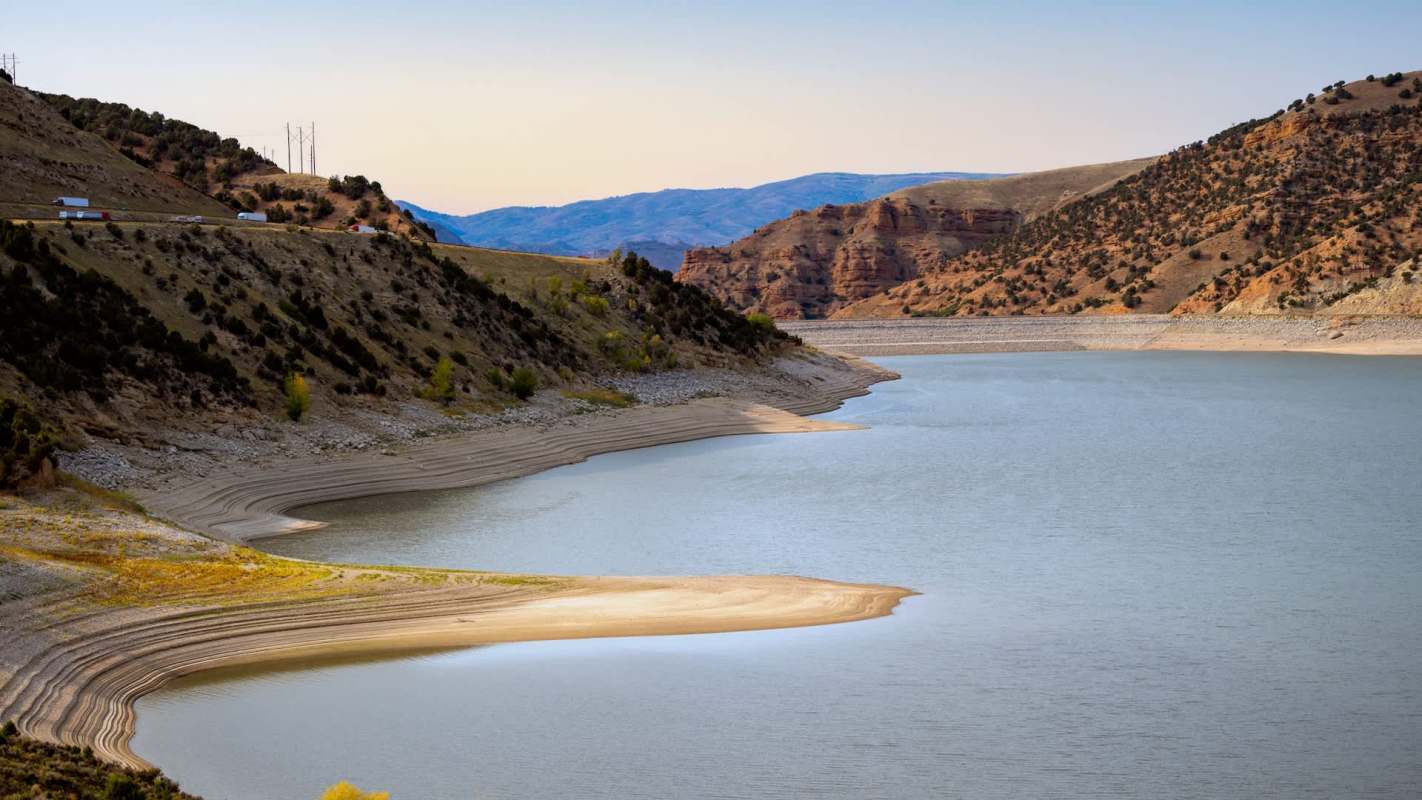
A proposed artificial intelligence data center in Millard County, Utah, is being criticized as the county continues to face an extreme drought. According to the National Oceanic and Atmospheric Administration, 100% of people in Millard County are affected by the drought, making this water-intensive project a major concern, as reported by ABC4.
What's happening?
Two large-scale AI data centers were announced in Utah in 2025, including one described as potentially the largest in the country. Zach Frankel, executive director of the Utah Rivers Council, told ABC4 that large data centers can use about 5 million gallons of water per day, which he said is "enough water for 40,000 people's annual use."
"Data centers don't typically employ many people, but they use a lot of water. So, their contribution to a local community is just to suck water away from the existing water supply," Frankel said to ABC4.
On the upside, Creek Energy stated in the ABC4 report that many operators use closed-loop cooling systems that rely on various fluids instead of water and claimed that when the systems are powered with gas, the system can be "net water-positive," generating about 100 acre-feet of new water per 100 megawatts annually. (Of course, burning gas for energy isn't a perfect solution — as it releases harmful pollution into the atmosphere.) Still, according to one of the project runners, this process can potentially reduce water use by 90%.
Why are water-intensive projects concerning?
The amount of water and resources used in data centers contradicts efforts to stabilize the environment and reduce the severity of droughts. It also works against communities that want to build extreme-weather resilience, and typically, these communities want to preserve water in such situations. For example, during a prolonged drought in Texas, multiple cities were placed under water restrictions to conserve water.
Issues with drought and water conservation also stem from public systems struggling under worsening weather and environmental conditions. Aging infrastructure is increasingly vulnerable to heat, flooding, and drought, which means water-intensive facilities should be incorporated into long-term resource planning.
What's being done about water use?
A bill expected to reach Capitol Hill would keep data center water usage data anonymous and aggregated, which researchers said could limit facility-specific transparency. Without regulation, companies can report their environmental impacts as they see fit.
Some research points to alternative cooling technologies. For example, a study found that a new material design can improve data center cooling efficiency. Meanwhile, water agencies in California have taken steps to capture and store rainwater before droughts for reservoir management.
Individuals can help with these efforts by exploring critical climate issues and how data center operations directly impact them. You can also use your voice to reach out to local representatives and ensure community wellness comes first before profit.
|
What's the most you'd pay per month to put solar panels on your roof if there was no down payment?
Click your choice to see results and speak your mind. |
 $200 or more 💰
Get TCD's free newsletters for easy tips to save more, waste less, and make smarter choices — and earn up to $5,000 toward clean upgrades in TCD's exclusive Rewards Club.
TCD Picks » Upway Spotlight
💡Upway makes it easy to find discounts of up to 60% on premium e-bike brands




Cool Picks





