


Data centers are causing headaches nationwide, and public backlash continued into the new year as plans were canceled and corporations regarded water usage as an afterthought.
When Steve Hacker turned on the tap in his Chester County, Pennsylvania, home last fall, nothing came out. After more than four decades of reliable well water, the retiree found himself without running water for a month.
Hacker, who moved to East Vincent Township in 1983, told Spotlight PA that his well ran dry for the first time in October. For 39 days, he showered at the YMCA or at his part-time job.
While drought conditions likely contributed, Hacker believed the incident reflected a bigger problem: the rapid growth of water- and energy-hungry data centers with little state oversight.
Data centers, which house massive computer servers for cloud storage and artificial intelligence systems, require millions of gallons of clean water each year to cool their equipment, often drawing from the same groundwater sources on which residents like Hacker rely.
"They want to pull millions of gallons out," Hacker said. "Who is responsible if all the wells in my town dry out? Who is going to compensate us?"
A single large AI data center can consume more than 5 million gallons of water per day for cooling, roughly equivalent to the water use of a small town of 10,000 to 50,000 people, according to EESI.
The majority of U.S. freshwater use is for agricultural irrigation and for cooling or steam in energy generation, totaling about 250 billion gallons per day. As AI demand grows, it will further strain freshwater supplies, which make up only about 3% of Earth's water.
Across Pennsylvania, communities have pushed back against data center proposals over fears of rising utility costs, pollution, and strain on local water supplies.
A recent poll found that nearly half of Pennsylvanians don't want a data center built in or near their community, yet leaders like Governor Josh Shapiro continue to welcome the industry as a source of private investment and temporary construction jobs.
TCD Picks » Upway Spotlight
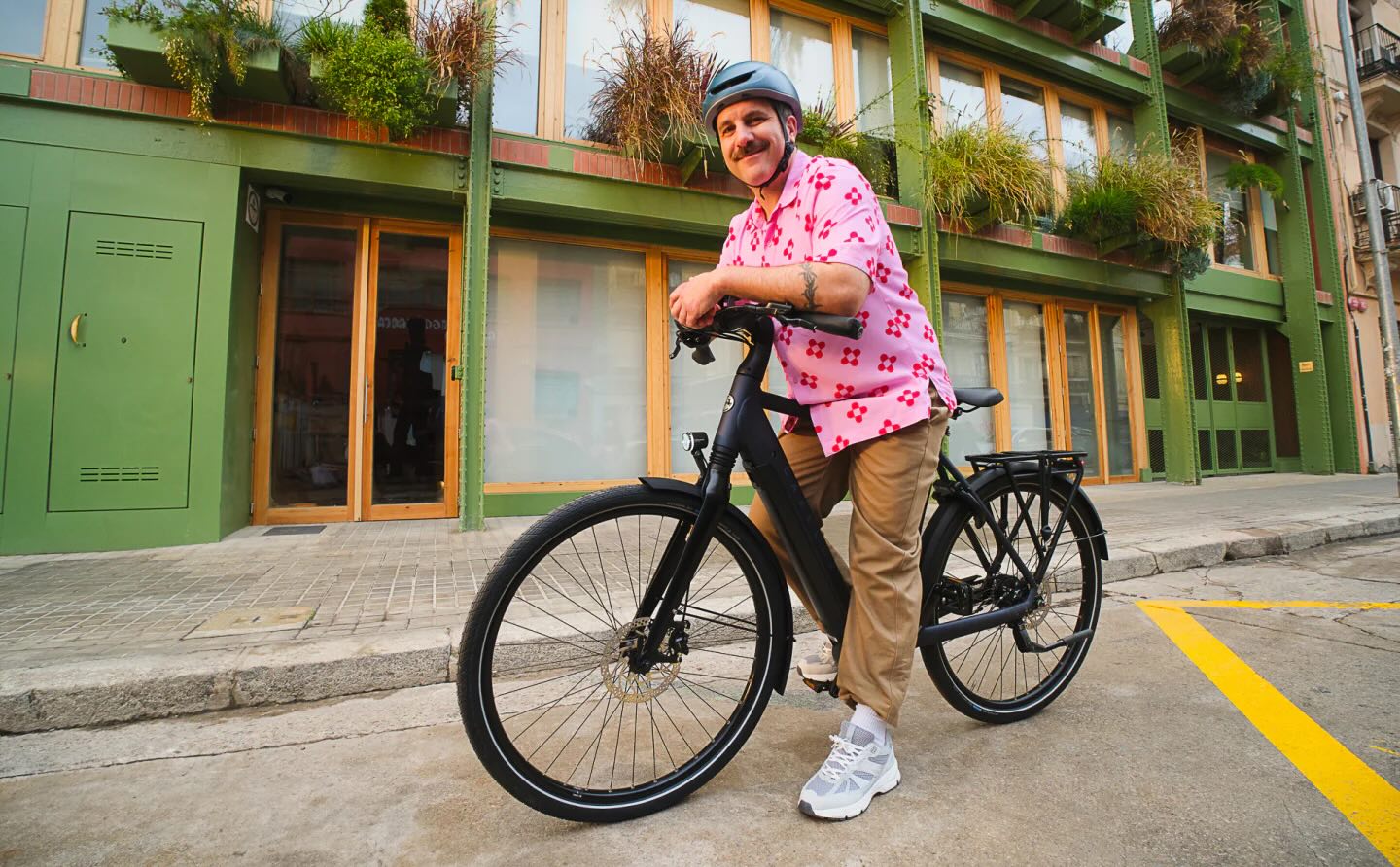
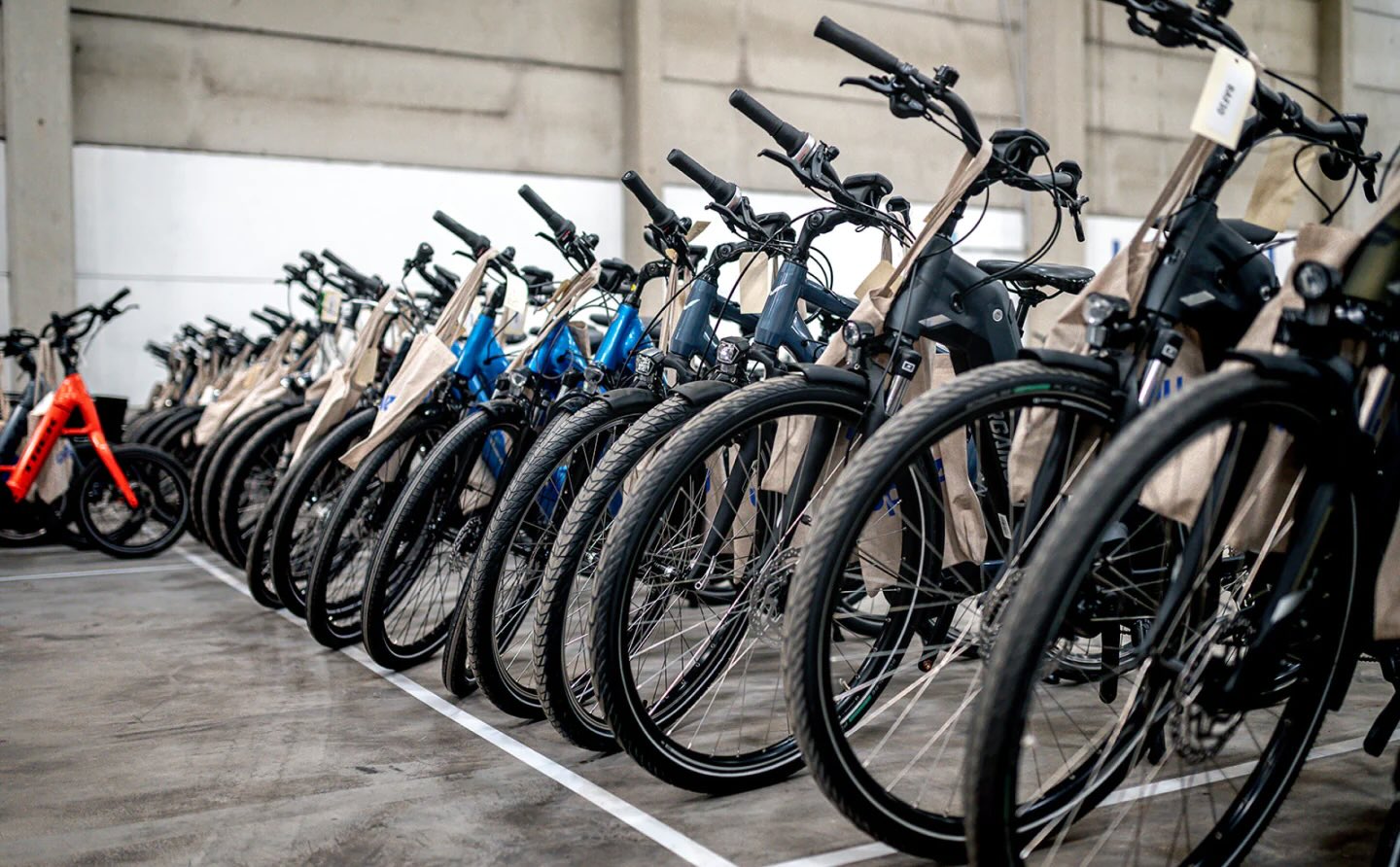
💡Upway makes it easy to find discounts of up to 60% on premium e-bike brands



|
What's the most you'd pay per month to put solar panels on your roof if there was no down payment?
Click your choice to see results and speak your mind. |
 $200 or more 💰
 Hacker has become a vocal opponent of a proposed data center campus near his home, arguing that residents are being asked to absorb the risks while corporations reap the rewards.
He has attended zoning hearings, contacted lawmakers, and urged officials to slow down approvals until stronger protections are in place. Some state lawmakers agree.
Proposed legislation would require data centers to report water and energy usage, allow regulators to oversee costs passed to consumers, or even pause development to study impacts on communities.
But many of these measures remained stalled as major companies like Amazon Web Services announced multibillion-dollar expansion plans in the state.
Hacker fears history is repeating itself, comparing the unchecked growth of data centers to past industrial booms, where harms only became clear years later, after residents had paid the price.
"To let industry do whatever they want and deal with the consequences later, we should know better," he said. "I absolutely want our state legislators, right up to the governor, to listen to people."

Get TCD's free newsletters for easy tips to save more, waste less, and make smarter choices — and earn up to $5,000 toward clean upgrades in TCD's exclusive Rewards Club.
Cool Picks





