



Few people will ever set foot in a data center, but most ratepayers see evidence of their existence each time they use the internet and pay higher electric bills.
What's happening?
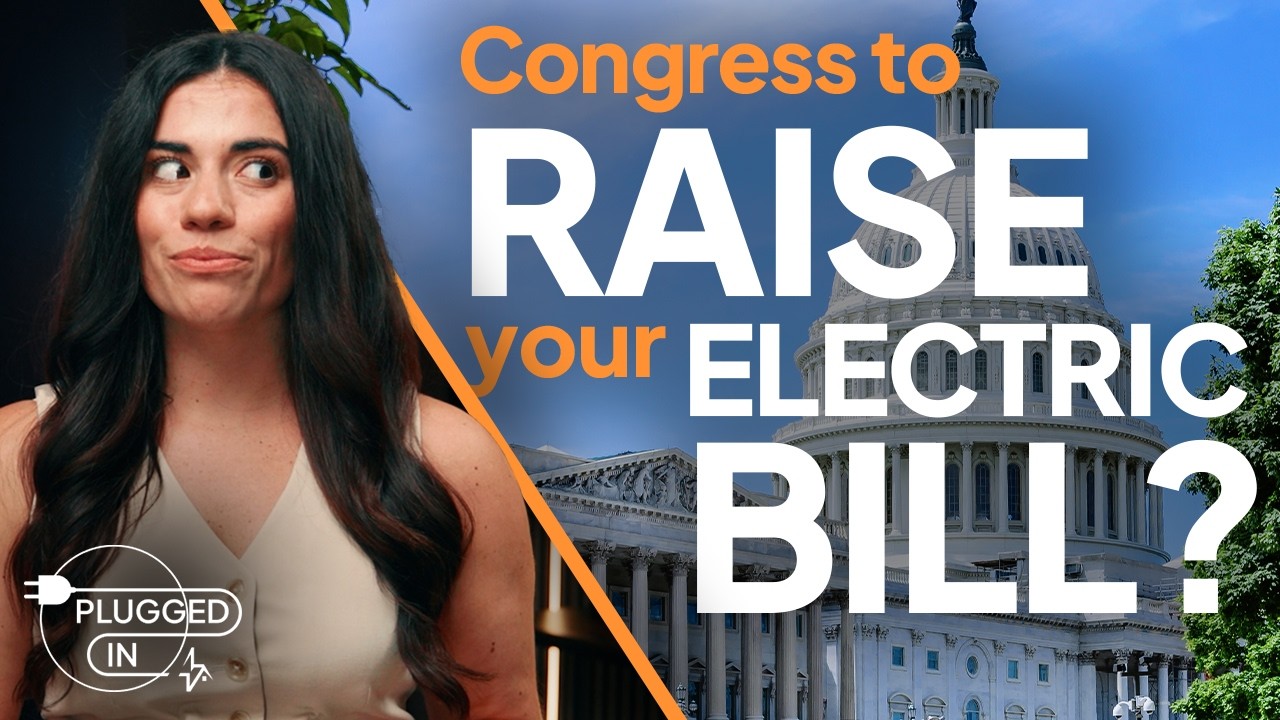
Energy expert Lizzie Irwin, from the Center for Humane Technology, recently joined EnergySage senior researcher Kristina Zagame on the Plugged In podcast, where they broke down "how the AI boom hits closer to home than most people realize."
EnergySage provides free, expert-guided tools and curated quotes to help homeowners install solar panels at the best price. It's one of the fastest ways to counter surging electricity rates. Rising bills are thanks in large part to power-hungry data centers that are needed to power growing artificial intelligence use, as NPR and Goldman Sachs reported.
A portion of the interview appeared on Instagram.
"I don't think the tech itself is at fault," Irwin said. "It's sort of like the paradigm we're in. It's an industry known for developing full speed ahead without much concern for the externalities, and in this case that's coming at the expense of our communities, our consumers."
Data Center Map reported that there are 4,088 data centers across the United States, with a large group of 579 of them in southern Virginia. Each one provides computing power that has become crucial to daily life. But they also have severe environmental repercussions.
Why is the data center 'paradigm' important?
The Environmental and Energy Study Institute reported that large data centers consume 5 million gallons of water a day, or enough for a town of up to 50,000 people. Harmful air pollution and grid strain are among other detriments Irwin noted. As for cost, she said that average national electric rates have spiked 30% since 2020.
In some cases, tech developers utilize cleaner solar, which is also among the cheapest and fastest energy sources to develop at scale, per Lazard. But many other companies are reported to be pursuing methane gas plants that contribute to poor air quality, according to Marketplace and Cleanview.
Save $10,000 on solar panels without even sharing your phone number Want to go solar but not sure who to trust? EnergySage has your back with free and transparent quotes from fully vetted providers that can help you save as much as $10k on installation. To get started, just answer a few questions about your home — no phone number required. Within a day or two, EnergySage will email you the best local options for your needs, and their expert advisers can help you compare quotes and pick a winner. |

Concerned community members have pushed back, and in many cases, they have delayed the construction of data centers.
It's a scenario that caused podcast host Zagame to ask Irwin: "Would you say this technology is truly serving us?"
|
Which of these savings plans for rooftop solar panels would be most appealing for you?
Click your choice to see results and earn rewards to spend on home upgrades. |
 Save $1,000 this year 💸
 What's the best route for homeowners?
Staying informed about data center activity, especially in your neighborhood, can help you advocate for policy that will protect your community early in the process.
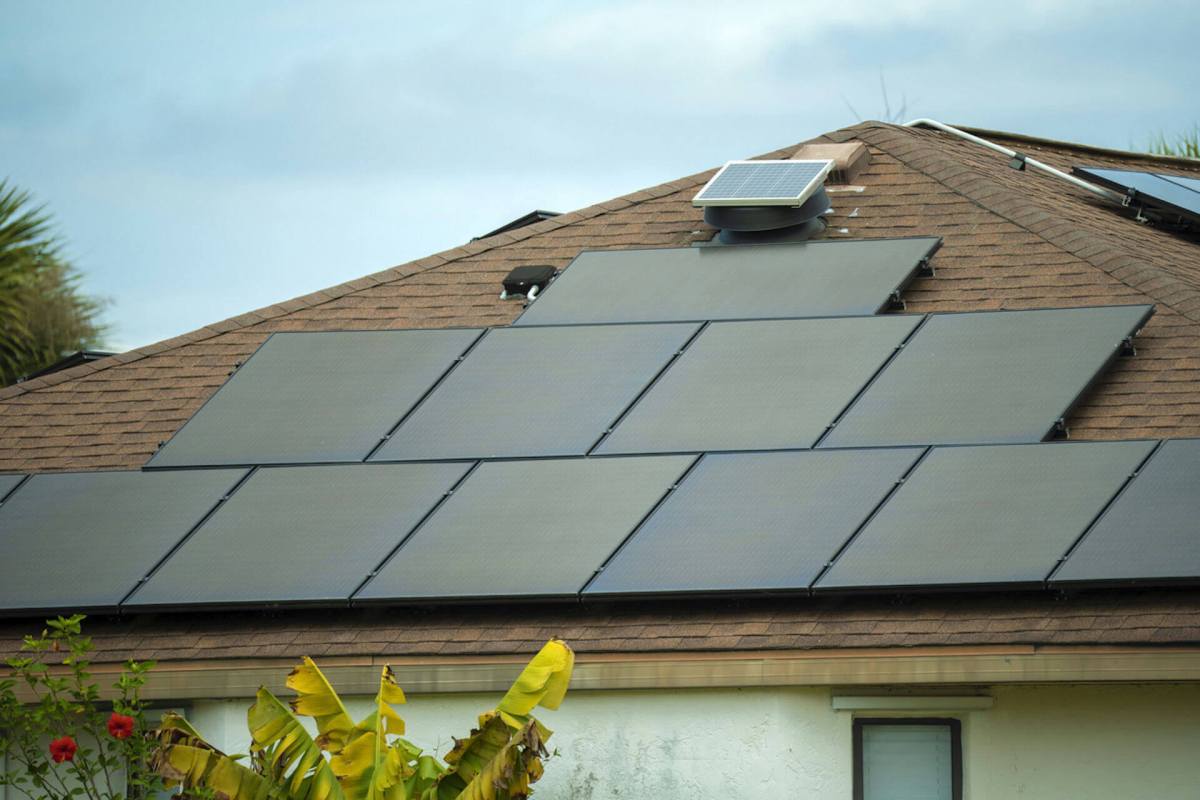
Home solar is a safeguard against energy-related problems caused by massive computing hubs, and EnergySage's experts can help you save up to $10,000 on panels and installation. The service's handy mapping tool compares prices by state, as well as identifying incentives that are available to help make the upgrade more affordable.
More From EnergySage
💡Go deep on the latest news and trends shaping the residential solar landscape



Battery storage can complete your energy independence by saving the homegrown solar power for later use. You can use it during an outage or when utility rates are highest. EnergySage can help you go off-grid with battery installation estimates to make sure you get the best pack at the right price.

Get TCD's free newsletters for easy tips, smart advice, and a chance to earn $5,000 toward home upgrades. To see more stories like this one, change your Google preferences here.
Cool Picks



