


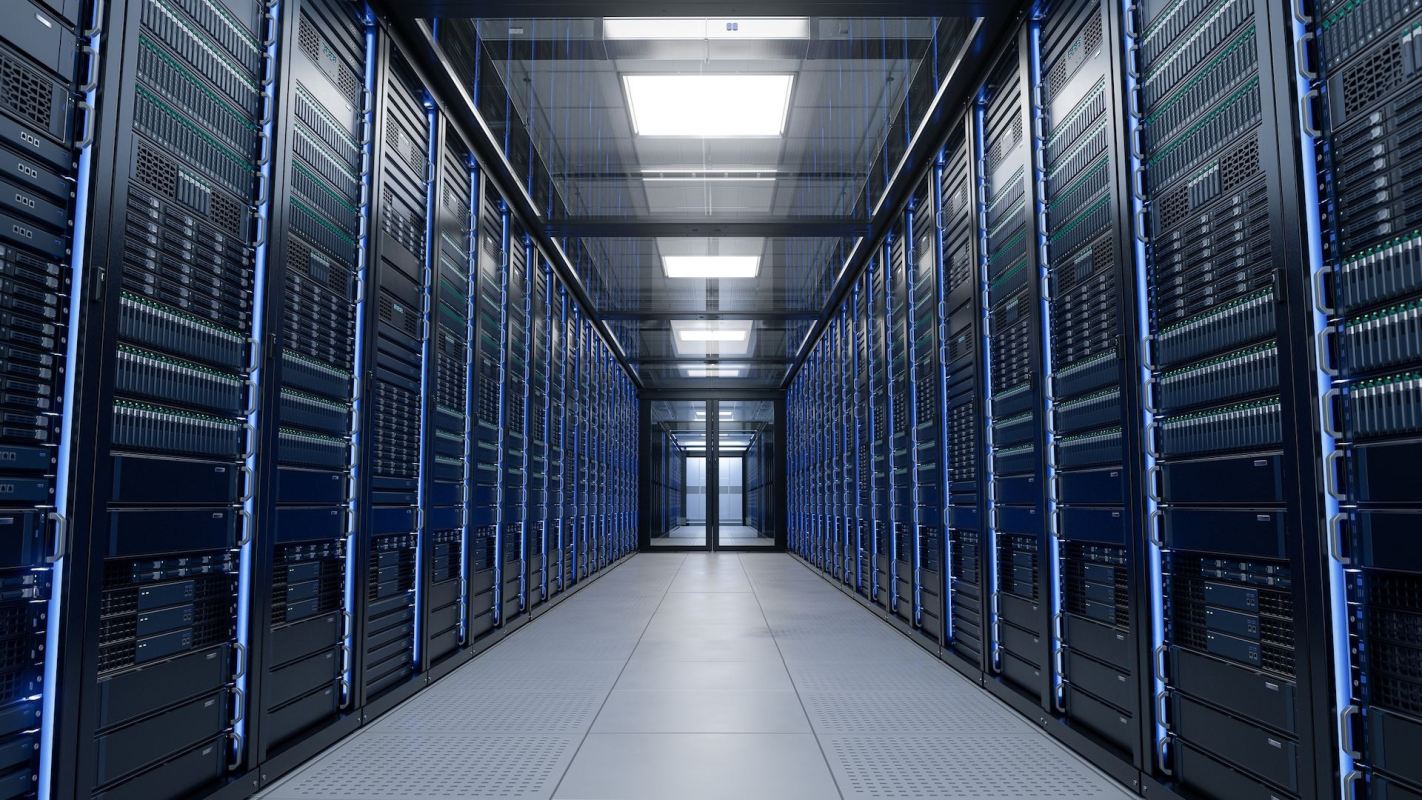
Artificial intelligence has become a particularly hot topic over the last few years. The technology is already being implemented across numerous industries, from design to farming, medicine, and education.
But while it may be used for social good, many may not realize that just a few clicks on ChatGPT can have real environmental impacts — or that AI data center developers appear to be targeting landowners with lucrative property deals.
As NBC News reported in late October, nondisclosure agreements may have something to do with that.
What's happening?
The data centers that power AI operations have to go somewhere if the tech is to continue, right? But where — and who gets a say?
Developers reportedly approached Timothy Grosser of Mason County, Kentucky, to offer $10 million for his family's 250-acre farm. The catch? According to NBC News, Grosser was asked to sign a nondisclosure agreement — or NDA — without knowing who he was selling to or what the land would be used for.
Five months later, local officials announced that Mason County was being scouted for new data center development.
An NBC News review of more than 30 data center proposals across 14 states found that NDAs were introduced in the majority of deals and that shell companies were used to obscure developers. In five cases, elected officials were barred from sharing any information with their constituents.
Pat Garofalo, director of state and local policy at the nonprofit American Economic Liberties Project, told NBC, "That violates a very fundamental norm of democracy, which is that they are answerable first to the voters and to their constituents, not to some secret corporation."
In Mason County, a total of 20 residents were apparently offered these deals. Eighteen of them agreed to sell if the project succeeds. Grosser refused.
Frustration among residents has led to the creation of a "We are Mason County, KY" Facebook group with 2,000 members in a county of almost 17,000. Group founder Max Moran told NBC that the lack of transparency in proposed data center development is "just destroying trust in the government."
TCD Picks » Quince Spotlight
💡These best-sellers from Quince deliver affordable, sustainable luxury for all




|
Should companies be required to help recycle their own products?
Click your choice to see results and speak your mind. |
 Definitely 👍
 Why is data center development concerning?
Data centers consume large amounts of energy and require vast quantities of water for cooling. Their operations could raise local electricity bills, strain power grids, and drain local water systems.
In areas where these centers currently operate, there have also been reports of noise and air pollution, which have impacted sleep and well-being.
What's being done?
Saint Charles, Missouri, became the first city in the country to enact a year-long ban on data center construction, stopping a 400-acre development proposal. Similar bans have been proposed in other areas across the United States, and related regulations are expected to be on the ballot as the 2026 midterms approach.
Meanwhile, many argue that AI can responsibly be a part of our everyday lives if managed ethically. The technology could help speed up health diagnoses and replace potentially dangerous tasks performed by humans.
But environmentalists insist that Amazon, Microsoft, Google, and other major players must consider ecological risks before long-term damage occurs. Ensuring that more renewable, cleaner, and equitably distributed energy sources are a part of the puzzle could help.
Other advocates say considerations — such as the tech's accuracy, its anti-discrimination measures, and its potential impacts on workforce reductions — must be addressed as well.

Get TCD's free newsletters for easy tips to save more, waste less, and make smarter choices — and earn up to $5,000 toward clean upgrades in TCD's exclusive Rewards Club.
Cool Picks





