


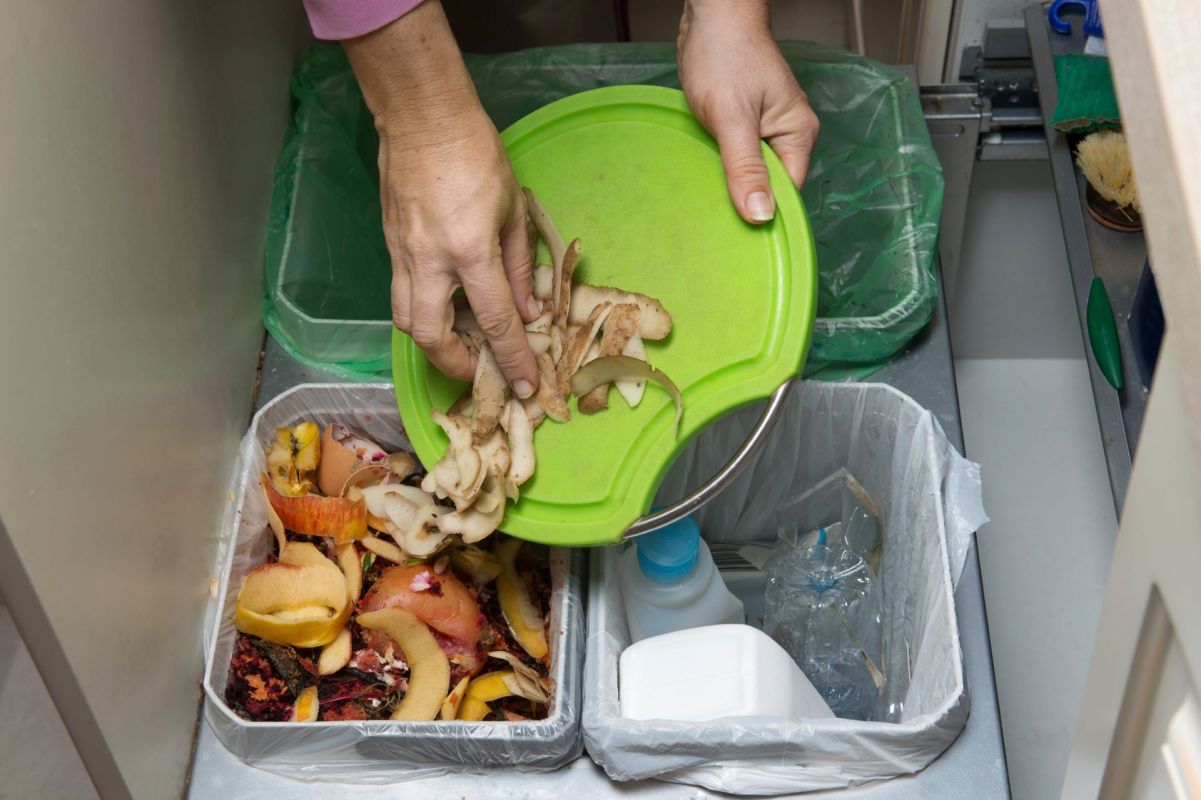
Dane County, Wisconsin, is turning food scraps into community gold. Since its launch earlier this year, a new food scrap collection program has enrolled over 1,000 households and kept more than 50 tons of food waste out of landfills, according to Waste Today.
"This program is about climate action that starts at home," County Executive Melissa Agard said. "By keeping food scraps out of the landfill, we're reducing methane emissions, extending the life of our landfill and creating valuable compost for our community."
The program offers both drop-off sites for residents and a subscription option for businesses, with Purple Cow Organics, a Waunakee-based composting company, handling the compost processing. "This program doesn't work without strong public-private collaboration," Agard said, highlighting the importance of community involvement and collaboration between public and private partners.
The early response has been enthusiastic among residents. "Over 1,000 households joining in just the first few months shows the kind of community we have here in Dane County — folks ready to step up and do their part," Agard noted. "This is just the beginning. We're committed to growing this effort to reach even more families, schools, and businesses."
For residents, the program offers a simple way to make a tangible environmental impact while turning everyday waste into compost that can nourish local gardens and green spaces. Businesses' participation helps to divert organic waste from landfills while also contributing to a circular economy.
The success of Dane County's program reflects a broader national trend. Between 2021 and 2023, the United States saw a 49% increase in the number of households with access to residential food waste collection programs, according to a BioCycle study, with 400 municipal programs serving 710 communities nationwide.
For instance, Vermont has implemented a statewide composting program that requires residential food scraps to be diverted from landfills, making it one of the most comprehensive programs in the nation. Similarly, states like Connecticut and Massachusetts have enacted laws requiring composting for commercial and institutional sectors.
Across the country, composting programs are gaining traction, showing how local communities and state initiatives are helping reduce landfill waste and encourage sustainable practices.
|
If you compost your food scraps, what's your primary motivation? Click your choice to see results and speak your mind. |
 Improving my garden's soil 🌱
Join our free newsletter for good news and useful tips, and don't miss this cool list of easy ways to help yourself while helping the planet.
Cool Picks




