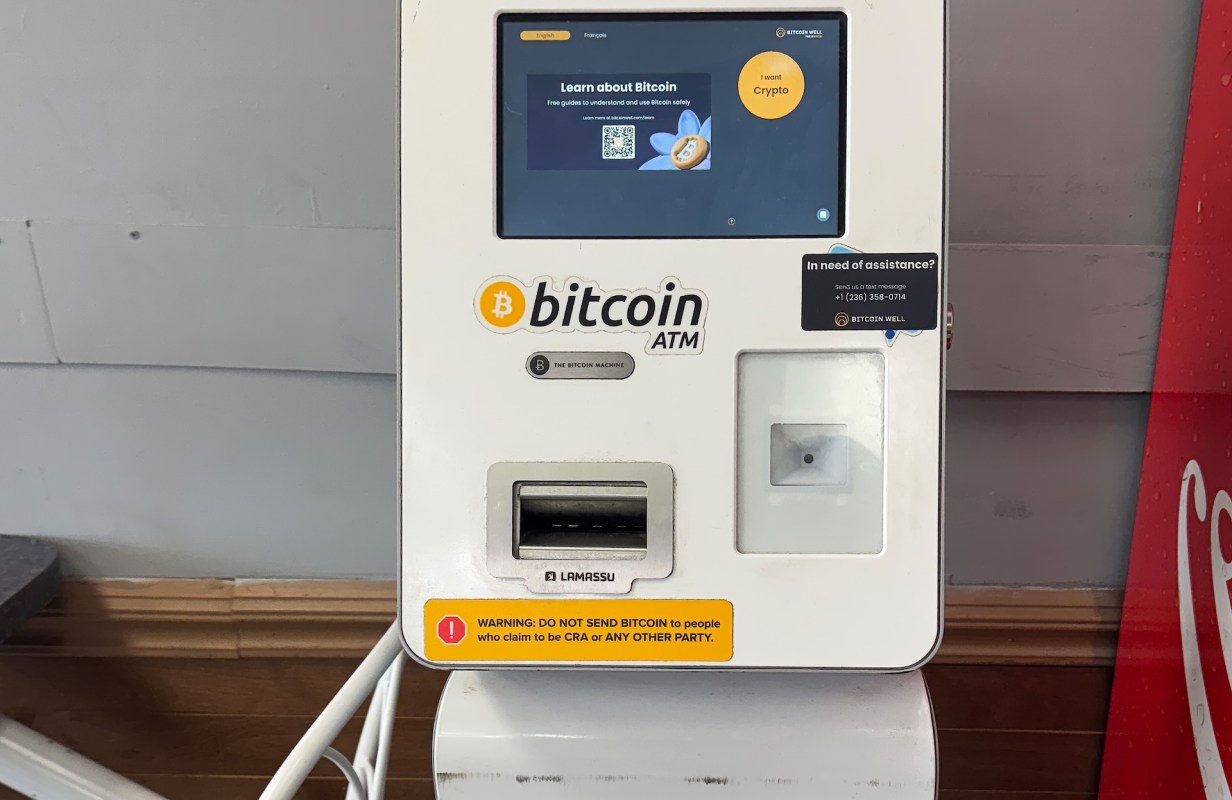
An increasing number of crypto fraud cases in the United States are converging on a familiar retail fixture: bitcoin ATM kiosks in places like supermarkets and gas stations.
For victims, that stop often marks the irreversible stage, when cash is exchanged for cryptocurrency controlled by scammers, and recovery becomes far less likely.
What's happening?
More than $11 billion in losses and 181,565 crypto-related complaints were reported by Americans in 2025, according to new FBI Internet Crime Complaint Center figures cited by CryptoSlate. Within that broader wave of fraud, bitcoin ATMs are increasingly appearing as the places where victims are ultimately directed to send money.
In many cases, the scam shifts offline at the last minute: the victim is kept on the phone, told to withdraw cash, sent to a nearby kiosk, and instructed to scan a QR code that transfers funds to a wallet controlled by the scammer.
Reports involving crypto kiosks increased 23% from a year earlier, and losses connected to those transactions climbed 58%. People 50 and older made up more than half of kiosk victims.
For some consumers, bitcoin ATMs offer a fast way to access digital assets, but that same speed and the difficulty of reversing crypto transfers can also make the machines attractive to criminals.
TCD Picks » Quince Spotlight
💡These best-sellers from Quince deliver affordable, sustainable luxury for all




Why does it matter?
The key issue is how few protections remain once the payment method changes. Bank transfers and card charges can sometimes be disputed, reversed, or flagged, while cash deposited into a crypto kiosk usually cannot. After that conversion, getting the money back becomes much harder.
That is why the kiosk can be the last practical place to stop the fraud. If the victim, a relative, or even a store employee realizes what is happening before the transaction finishes, the loss might still be avoided. Once the funds are sent, tracing them is difficult, and recovery may be almost impossible, according to CryptoSlate.
The rise of these cases also shows how digital fraud is moving into ordinary retail settings. A machine inside a familiar store can seem routine and harmless, which may make a victim less suspicious.
It also strengthens the case for better consumer protections in a fast-moving industry that still carries significant risks.
What's being done?
Authorities have been warning consumers to be skeptical of anyone who insists on being paid through cryptocurrency. Legitimate businesses and government agencies generally do not require urgent payment through a bitcoin ATM, CryptoSlate reported.
Being told to stay on the phone, act immediately, or hide the transaction is a major red flag. Independently calling the company, agency, or relative can help disrupt the scammer's control.
Because adults over 50 account for more than half of kiosk victims, older relatives are a particularly important group to protect from these schemes.
Retailers and kiosk operators may also play a role by improving machine warnings, training staff to spot distressed customers, and adding friction before large cash-to-crypto transactions are completed.
The first contact may come through a call, text, or online message, but the most consequential moment often happens at the machine itself. Once cash is fed into the kiosk and converted to crypto, the opportunity to intervene can quickly disappear.

Get TCD's free newsletters for easy tips, smart advice, and a chance to earn $5,000 toward home upgrades. To see more stories like this one, change your Google preferences here.