


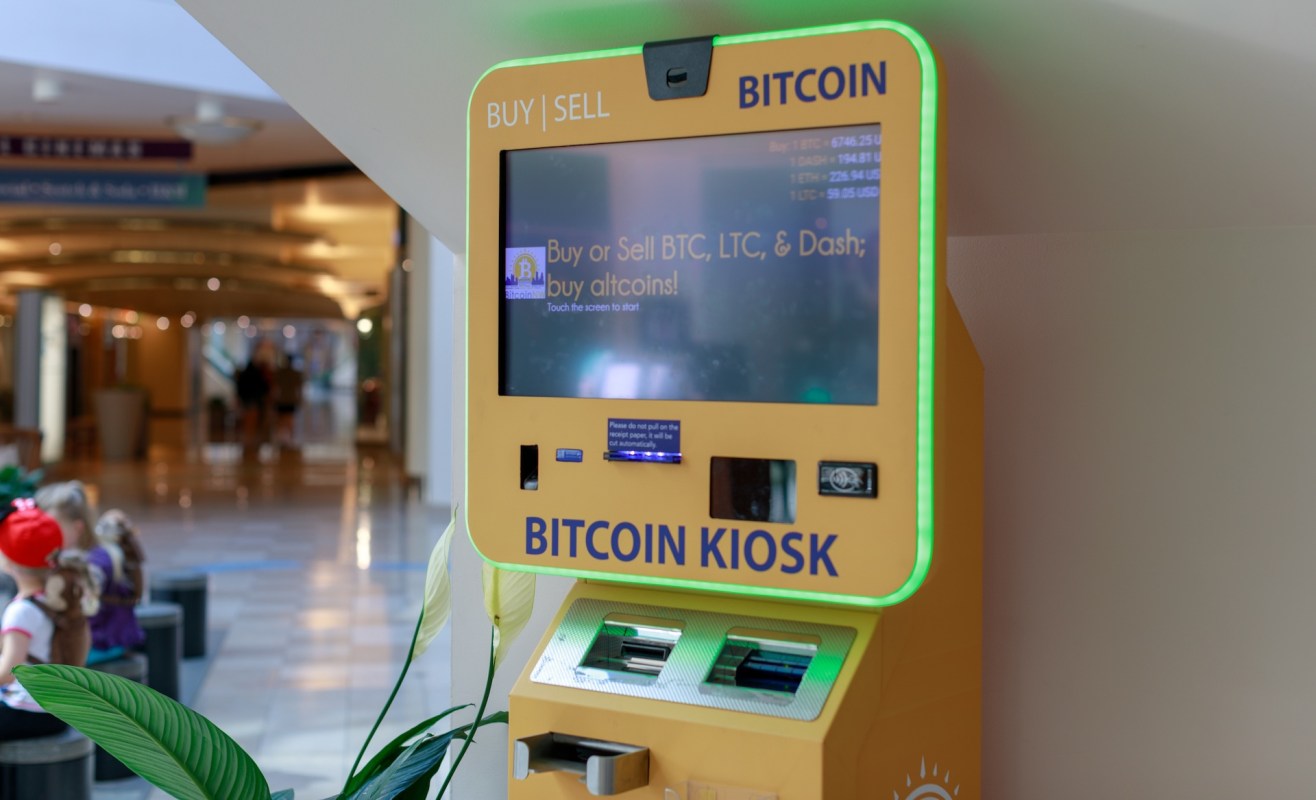
Spokane Valley is moving to shut down Bitcoin ATMs after police tied the machines to a growing wave of scams that have drained victims' savings.
What happened?
According to The Spokesman-Review, Spokane Valley's city council voted unanimously to ban virtual currency kiosks, commonly known as Bitcoin ATMs, after local police reported a surge in scam cases involving the machines.
This makes Spokane Valley one of the latest local governments to crack down on a payment method that law enforcement says is increasingly being exploited by fraudsters.
Police Chief Dave Ellis said the kiosks have become a favored tool for criminals who pressure people to send money via cryptocurrency transactions that can't be reversed. Investigators say these schemes often start with a call or text alleging missed jury duty or a warrant, then push for payments totaling about $10,000.
"We've stopped elderly people who are putting their life savings into these kiosks," Ellis said. "They're being taken advantage of."
According to The Review, businesses still hosting the kiosks have a 30-day window to remove them. After that, they may be fined $250, and the city can pull their business license.
TCD Picks » Quince Spotlight
💡These best-sellers from Quince deliver affordable, sustainable luxury for all




Why is this concerning?
The Spokane Valley ban highlights a growing consumer protection problem tied to cryptocurrency access points built for convenience but easily used for fraud.
Crypto itself is not inherently illegal or harmful, and supporters argue that digital assets can enable faster payments, expand financial access, and, in some parts of the industry, even help support cleaner energy development.
That risk becomes serious when, as The Review noted, kiosks are installed in routine retail locations such as gas stations, corner stores, and small markets. Someone under pressure from a scammer can walk in, insert cash, and send funds before realizing they've been had.
Law enforcement says recovering that money is extremely difficult, if not impossible, because the scammer controls the destination wallet.
Far worse than financial losses, Spokane Valley police pointed to one fraud case that ended in suicide, underscoring how devastating the emotional toll can be.
What's being done about virtual currency kiosks?
Spokane Valley's answer is simple: remove the kiosks.
"What we're trying to do is to make it more difficult for scammers to get the money, so there are more steps that victims have to go through with scammers, and so they'll realize they're being scammed before they lose money," financial crimes detective Elijah Jones said, according to The Review.
For consumers, officials say the most important defense is skepticism. Government agencies do not demand payment in Bitcoin or other cryptocurrencies over the phone or by text.

Get TCD's free newsletters for easy tips, smart advice, and a chance to earn $5,000 toward home upgrades. To see more stories like this one, change your Google preferences here.






