


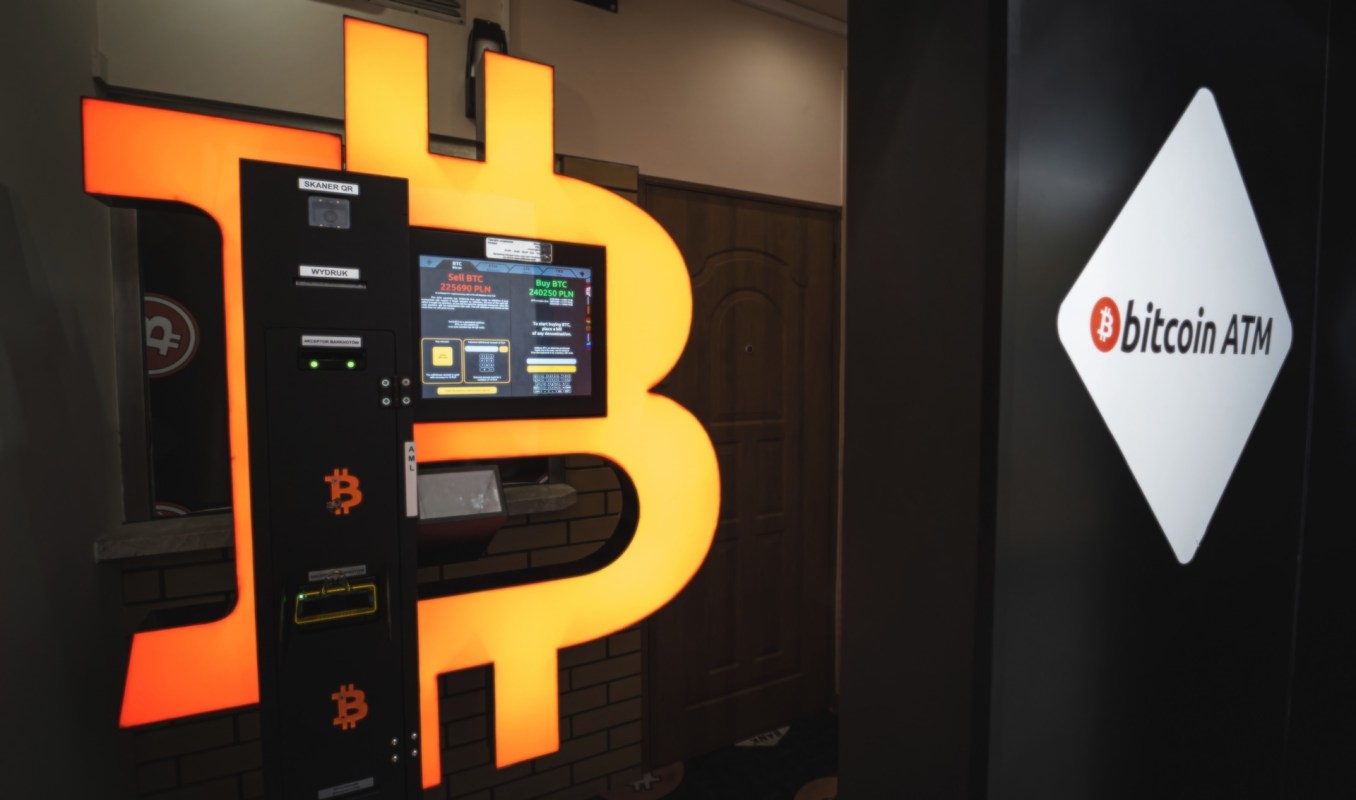
Hawaiʻi may soon move to restrict a tool that scammers are said to exploit to pressure people into sending money: cash-based crypto kiosks.
Gov. Josh Green is weighing a measure that would stop cash purchases of cryptocurrency at those machines, though people could still cash out digital assets they already own.
What's happening?
Before the month ends, Green must tell lawmakers whether he plans to veto House Bill 1642. If the proposal takes effect, consumers in Hawaiʻi would no longer be able to use cash at kiosks to buy cryptocurrency, Hawaii News Now reported.
Lawmakers have already approved the bill, and it would still permit people to cash out crypto they already hold.
State Rep. Scot Matayoshi has said the proposal is intended to shield kupuna, or elders, who are frequently targeted by fraud.
Craig Gima, communications director for AARP, explained, "They're being used like the getaway car in a bank robbery. The fraudsters will steal money, convince consumers they need to take money out of their bank, and then they need a way to collect it."
TCD Picks » Quince Spotlight
💡These best-sellers from Quince deliver affordable, sustainable luxury for all




Why does it matter?
AARP says the urgency comes from how sharply reported crypto scam losses have climbed in Hawaiʻi. FBI figures cited by the group show losses of just under $1 million in 2024 and $3.85 million in 2025.
Such scams can wipe out retirement savings, emergency funds, and household budgets within hours. Older adults are often singled out, but anyone pressured into making a quick payment can be vulnerable.
The proposal also reflects a more complicated conversation around cryptocurrency.
Parts of the industry have drawn criticism over fraud and, in some cases, heavy energy use.
In this case, Hawaiʻi lawmakers are not trying to ban crypto ownership outright. Instead, they are targeting a payment method they believe makes it easier for scammers to turn panic and confusion into irreversible losses.
What's being done?
If Green signs the bill or lets it become law, Hawaiʻi would be focusing on a narrow part of the transaction that supporters tie most closely to fraud: buying crypto at kiosks with cash.
They argue that this could make these scams harder to carry out while preserving other ways for people to access digital assets.
Scammers often pose as government officials, bank representatives, or tech support workers and insist that money be sent immediately.

Get TCD's free newsletters for easy tips, smart advice, and a chance to earn $5,000 toward home upgrades. To see more stories like this one, change your Google preferences here.







