


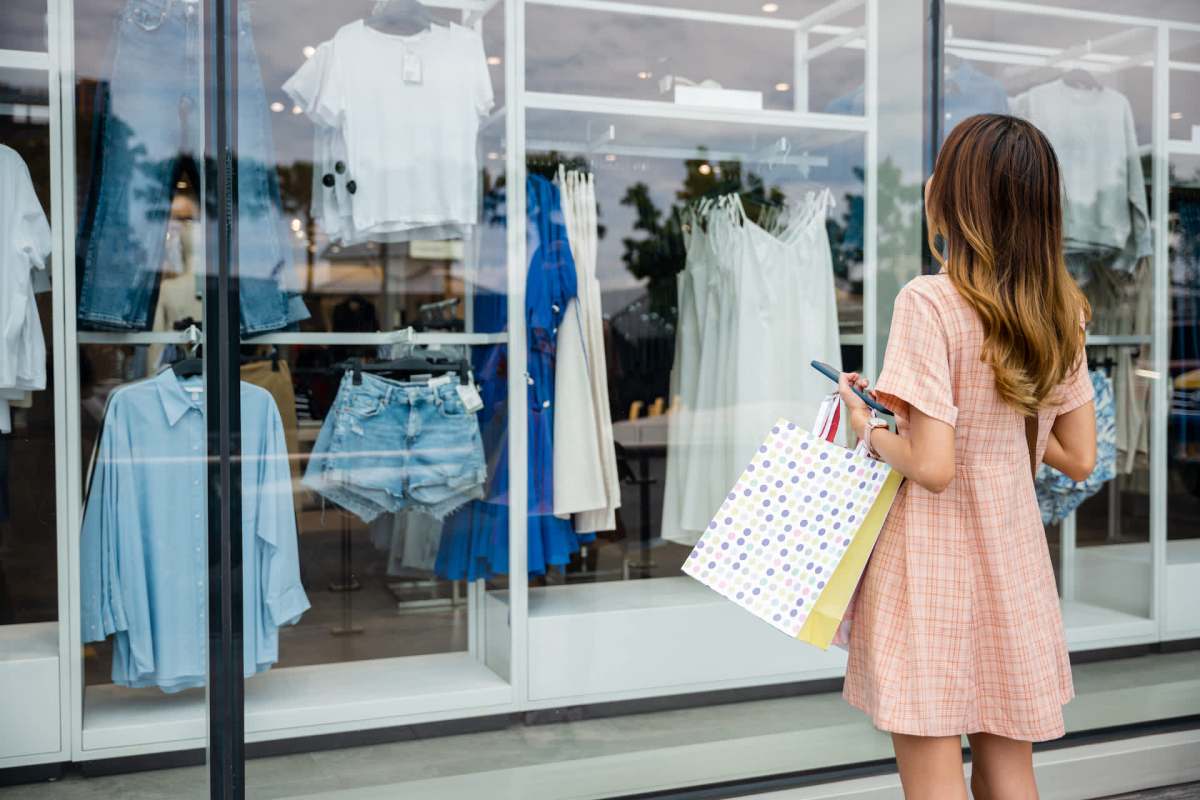
The cost of living continues to increase, driving some to consume more fast fashion, as they believe they're getting more bang for their buck with these often inexpensive items. However, one Gen Z fashion designer recently explained to the New York Post that the cost of fast fashion adds up.
What's happening?
Maddie Langshaw, an Australian who formerly worked in marketing and social media, told the New York Post that she decided to start a slow-fashion brand after realizing the true cost of fast fashion.
From how quickly the clothing wears out because it's designed not to last, to the peak consumerism of fast-fashion trends that constantly leave people wanting more while keeping them unsatisfied, to the environmental impact of the industry, Langshaw said the consequences of constantly purchasing fast fashion are so much more than people think.
"I definitely fell into it in the past, buying things just because they were cheap or trendy. But over time, the charm completely wore off," she told the New York Post.
These days, the fashion designer has thrifted about 90% of her wardrobe, and her slow-fashion brand, Audrey Atelier, which began after she noticed a shift in consumer behavior away from fast-fashion companies, is being embraced by conscious shoppers seeking better options.
As Langshaw told the New York Post, "Conscious shoppers are choosing meaning over mass production."
TCD Picks » Quince Spotlight
💡These best-sellers from Quince deliver affordable, sustainable luxury for all




Why is fast fashion concerning?
Fast fashion is cheap in the moment, but there are reasons why the cost of this clothing is so low.
Fast-fashion items are designed to wear out quickly, prompting consumers to constantly replace them. This results in the fast-fashion industry generating a massive amount of textile waste each year, which ends up in landfills and our environment. As these textiles degrade, microplastics and chemicals leach into the soil, air, and water.
Between the clothing being purposefully low-quality and the quick trend cycles, consumers never get their money's worth out of fast fashion. Instead, they're manipulated into spending even more on clothing that will go out of style or fall apart in a matter of weeks.
As Langshaw explained to the New York Post, "It encourages this mindset of constant consumption, where clothes lose all meaning. It's not fashion, it's waste."
|
Should it be illegal to throw away old clothes?
Click your choice to see results and speak your mind. |
 Heck yes 👍
 How can I avoid fast fashion?
Those seeking to break away from fast fashion can become more conscious shoppers by researching how companies make their clothing and the materials they use. This way, consumers can be assured they're purchasing items meant to last.
Individuals can also opt out of fast fashion (and the resulting textile waste) by thrifting, as Langshaw has. Purchasing clothing secondhand is one of the simplest ways to reduce textile waste while also allowing people to save a significant amount of money.

Join our free newsletter for good news and useful tips, and don't miss this cool list of easy ways to help yourself while helping the planet.






