


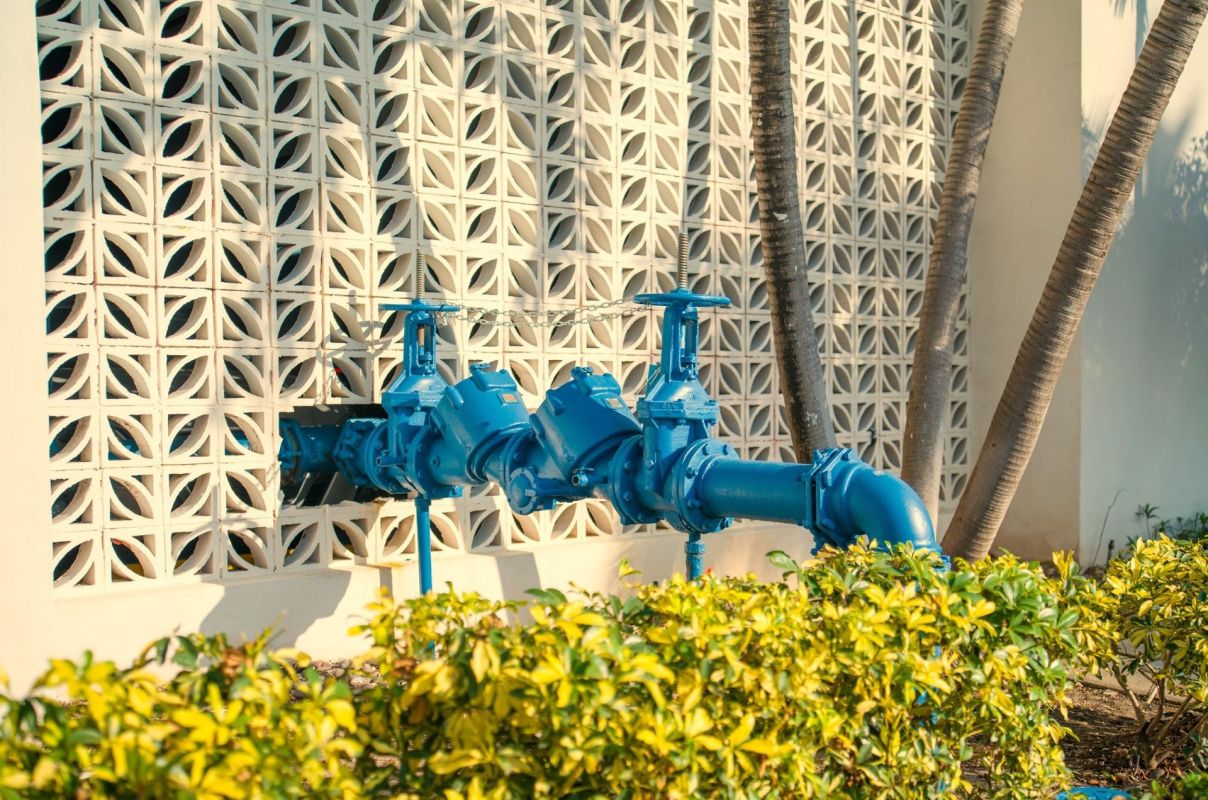
Corpus Christi is moving ahead with a major water project designed to take pressure off drinking-water supplies in one of Texas' most drought-stressed regions.
State business filings cited by MySA show that Phase 2 of the city's $108 million reclaimed-water project is expected to start Aug. 17. This is intended to route treated wastewater to major industrial customers, leaving more freshwater available for residential use.
Here's what to know
The effort is named the Reclaimed Water for Industrial Use Project. Put simply, this would increase the supply of treated effluent, or cleaned wastewater, for the Coastal Bend's biggest industrial users, which account for the largest share of regional water consumption.
More than 500,000 people in seven counties rely on Corpus Christi's water system. During extended droughts, shifting some demand away from potable water can help reduce stress on the freshwater supply residents rely on every day.
MySA reported, citing filings with the Texas Department of Licensing and Regulation, that Phase 2 was scheduled to begin on Aug. 17. The construction effort is unfolding as city leaders pursue multiple emergency actions to expand the area's water sources.
According to MySA, Phase 1 included an $11 million design contract for Miami-based Ardurra Group Inc. Then, on June 30, the Corpus Christi City Council unanimously backed an emergency measure to speed up Phase 2 construction by Houston-based Reytec Construction Services, MySA reported.
TCD Picks » Quince Spotlight
💡These best-sellers from Quince deliver affordable, sustainable luxury for all




More background
Reclaimed-water systems are getting attention in drought-prone areas because they can stretch existing supplies without requiring every user to depend on the same freshwater sources. Rather than reserving top-quality drinking water for industrial processes that may not need it, cities can direct treated wastewater to certain nonpotable uses.
There is also a cost-of-living component. Large infrastructure projects are expensive, and communities often feel the effects of water investments for years through future planning and rate decisions. Still, officials are increasingly weighing those costs against the economic and public health risks associated with an unreliable water supply.
In the Coastal Bend, the urgency is especially high because the same system must support both a large residential population and major industrial activity. That makes supply diversification more than a technical upgrade — it's a planning decision with consequences for growth, affordability, and drought preparedness.
What's being done?
Corpus Christi is treating the reclaimed-water project as one part of a broader emergency response to water scarcity. Rather than relying only on conservation or waiting for conditions to improve, the city is investing in infrastructure that changes where different users get their water in the first place.
The timeline also shows how quickly the city is trying to move. After securing the design contract in Phase 1, officials moved on to construction, signaling that speed itself is part of the strategy.
If the project works as intended, industrial customers will be able to use more effluent water, reducing competition with residential users for freshwater supplies. That could make the overall system more flexible during drought and help protect household access as demand rises.
Projects like this are intended to preserve reliability by matching the right water source to the right use.
As local leaders have put it, the reclaimed-water build is "a key component of the City's long term water supply strategy."

Get TCD's free newsletters for easy tips, smart advice, and a chance to earn $5,000 toward home upgrades. To see more stories like this one, change your Google preferences here.






