


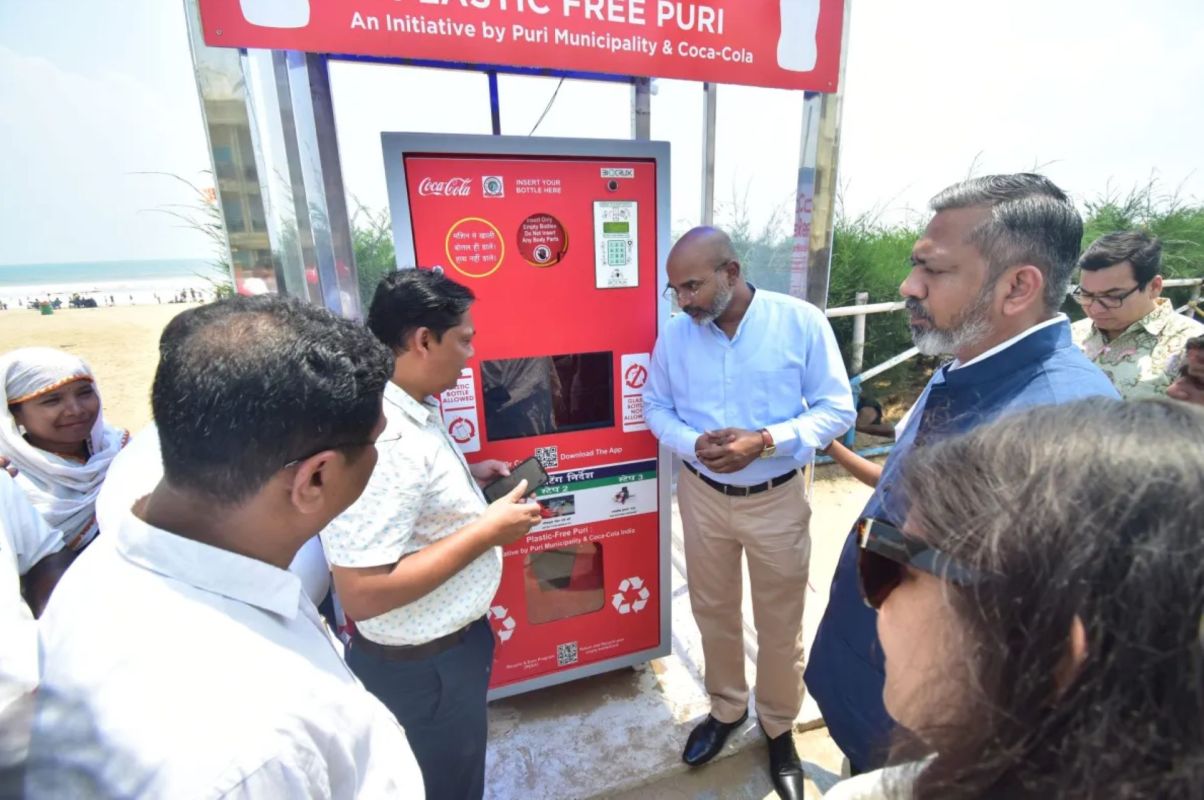
In a move that could change the way communities handle plastic waste, Coca-Cola India has launched reverse vending machines (RVMs) in key public locations across Puri, Odisha. The machines are designed to make responsible plastic collection easier and more rewarding, offering citizens a tech-enabled way to participate in recycling while earning incentives for their efforts.
Installed by Biocrux India Pvt Ltd, the RVMs compactly use plastic bottles, reducing their volume by up to 70% and storing up to 800 bottles before collection. According to The CSR Universe, users can earn reward points through the Biocrux mobile app for every bottle they deposit, which can be redeemed for discounts on Coke products. The collected plastic is then responsibly recycled into new materials such as clothing, bags, and secondary packaging.
The launch follows Coca-Cola India's ongoing sustainability initiatives, including a large-scale plastic recovery drive during the 2024 Puri Rath Yatra, which engaged volunteers, local authorities, and civil society to collect plastic waste while educating the public about recycling.
Coca-Cola is the world's leading producer of branded plastic waste, so initiatives like this can play a meaningful role in reducing environmental impact. By making recycling convenient and rewarding for everyday people, the RVMs encourage civic engagement and help prevent plastic from entering oceans and public spaces.
Programs like this also align with Coca-Cola's global Partner to Collect ambition, which aims to strengthen packaging recovery systems and increase the use of recycled content in primary packaging.
That said, plastic recycling is generally not nearly as effective or worthwhile as recycling of other commonly recycled materials, such as glass, aluminum, and paper products, so the best recipe for reducing plastic waste is reduction, followed reuse, and then followed distantly by recycling, to paint a clearer picture of the hierarchy of priorities. Still, it's always better to incentivize citizens to refrain from littering, and rewarding for recycling can also spur individuals to clean up their communities.
Local officials and company leaders alike have emphasized collaboration between citizens, businesses, and government as key to long-term success. "Maintaining cleanliness in Puri is a shared responsibility," said Abhimanyu Behera, Executive Officer, Puri Municipality.
Rajesh Ayapilla, Senior Director of Sustainability and CSR at Coca-Cola India, added, "initiatives like this not only enhance civic engagement but also set a precedent for other cities to follow."
This program is just one of several ways the Coke brand is experimenting with eco-friendly solutions as it faces the broader challenge of reducing its global plastic footprint. For consumers, it offers an easy, tangible way to take action — and a chance to turn responsible habits into rewards.
|
Should companies be required to help recycle their own products?
Click your choice to see results and speak your mind. |
 Definitely 👍
Join our free newsletter for good news and useful tips, and don't miss this cool list of easy ways to help yourself while helping the planet.
TCD Picks » Quince Spotlight
💡These best-sellers from Quince deliver affordable, sustainable luxury for all




Cool Picks






