


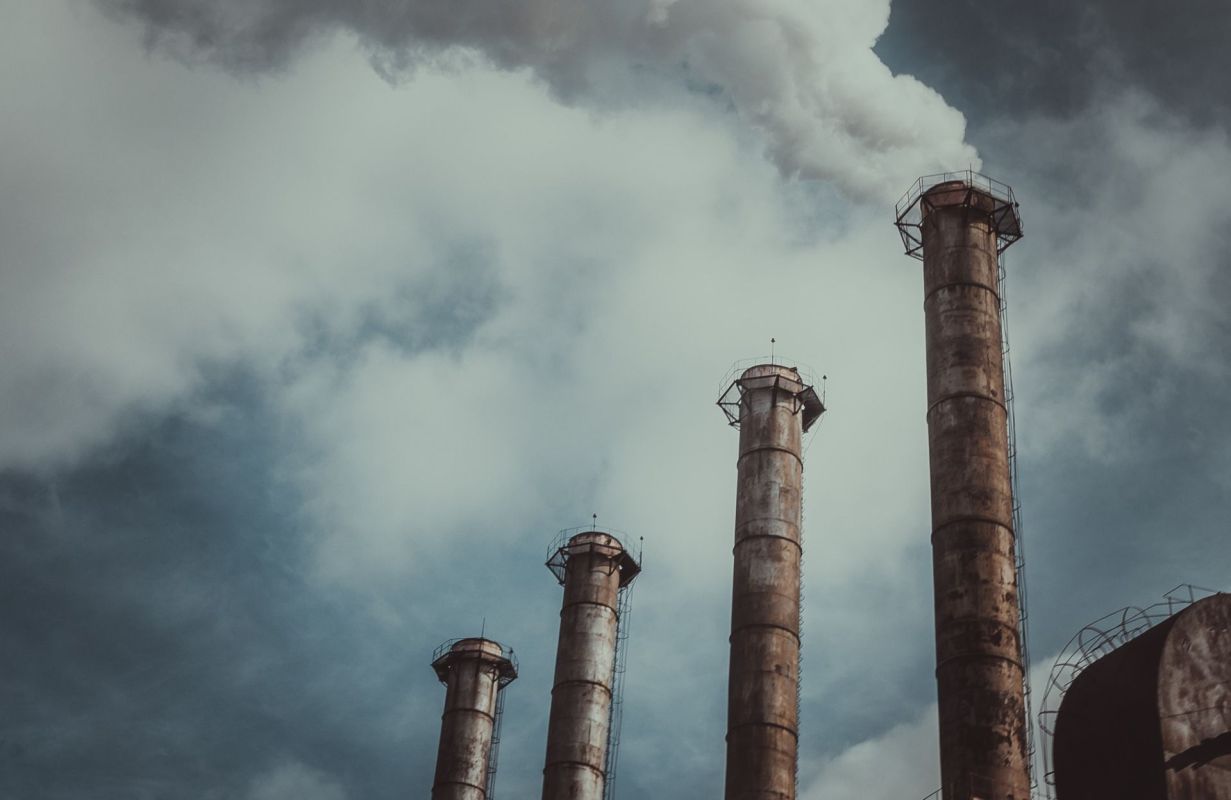
The United States Environmental Protection Agency has proposed allowing 11 coal plants to continue dumping toxic coal ash into unlined pits until 2031.
What's happening?
Coal ash disposed of in unlined pits can contaminate drinking water sources with carcinogens and more. As such, the federal D.C. Circuit Court of Appeals ruled in 2018 that the 2015 federal regulation regarding Coal Combustion Residuals should be strengthened. This ruling set a 2021 deadline to close unlined coal ash pits.
However, according to Canary Media, the first Trump administration offered an extension in 2020 that allowed coal plants to continue this practice until 2028 if they didn't have another way to dispose of the ash and were otherwise in compliance with disposal rules.
Now, though, the second Trump administration is tossing a lifeline to 11 coal plants in Wyoming, Indiana, Illinois, Ohio, Utah, Louisiana, and Texas, with plans to allow them to continue the practice until 2031.
Local communities are dismayed at the prospect that these plants may continue to operate and have implored the EPA to reconsider the proposal.
Retired chemistry teacher Mary Ellen DeClue, during an EPA-hosted public hearing, said, "This is not acceptable," per Canary Media.
Why is this concerning?
The EPA's proposal is set to allow the coal plants to continue threatening groundwater with contamination.
Colette Morrow, an Indiana public university professor, stated during an EPA-hosted public hearing on the matter, per Canary, "This is unconscionable that the U.S. government would put its own people at risk to such a high degree, only in order to enhance profits of these utility providers."
Coal plants also generate extensive air pollution, which traps heat in the planet's atmosphere, resulting in rising global temperatures and exacerbating the extreme weather events that destroy homes, lives, livelihoods, and economies. According to the United Nations, fossil fuels like coal account for around 68% of the heat-trapping gases in the atmosphere.
Propping up operations for energy sources like coal can also keep energy costs high for consumers, while corporations see increased profits. In fact, one study found that maintaining America's coal plants was far more expensive than simply relying on solar and wind energy. Continued industry lobbying, which can contribute to plans like those the EPA has put forth, could further delay the transition to cheaper, cleaner energy solutions that can also benefit human health.
TCD Picks » Quince Spotlight
💡These best-sellers from Quince deliver affordable, sustainable luxury for all




|
What's the most you'd pay per month to put solar panels on your roof if there was no down payment?
Click your choice to see results and speak your mind. |
 $200 or more 💰
 What can be done?
In some cases, fossil fuel industries and the infrastructure that supports them are being held accountable for environmental harms. In Montana, for example, young activists won their lawsuit against the state government for violating their rights to a clean, healthy environment.
Meanwhile, amplifying public attention to groundwater quality as related to unlined coal ash pits could also bring a spotlight to other concerning water contaminants, such as heavy metals and "forever chemicals."
And accelerating the transition to cleaner, cheaper, and more resilient energy systems while prioritizing communities and workers may not only provide health and habitat benefits but also make the business case for decarbonizing beyond the power grid.

Get TCD's free newsletters for easy tips to save more, waste less, and make smarter choices — and earn up to $5,000 toward clean upgrades in TCD's exclusive Rewards Club.
Cool Picks




