


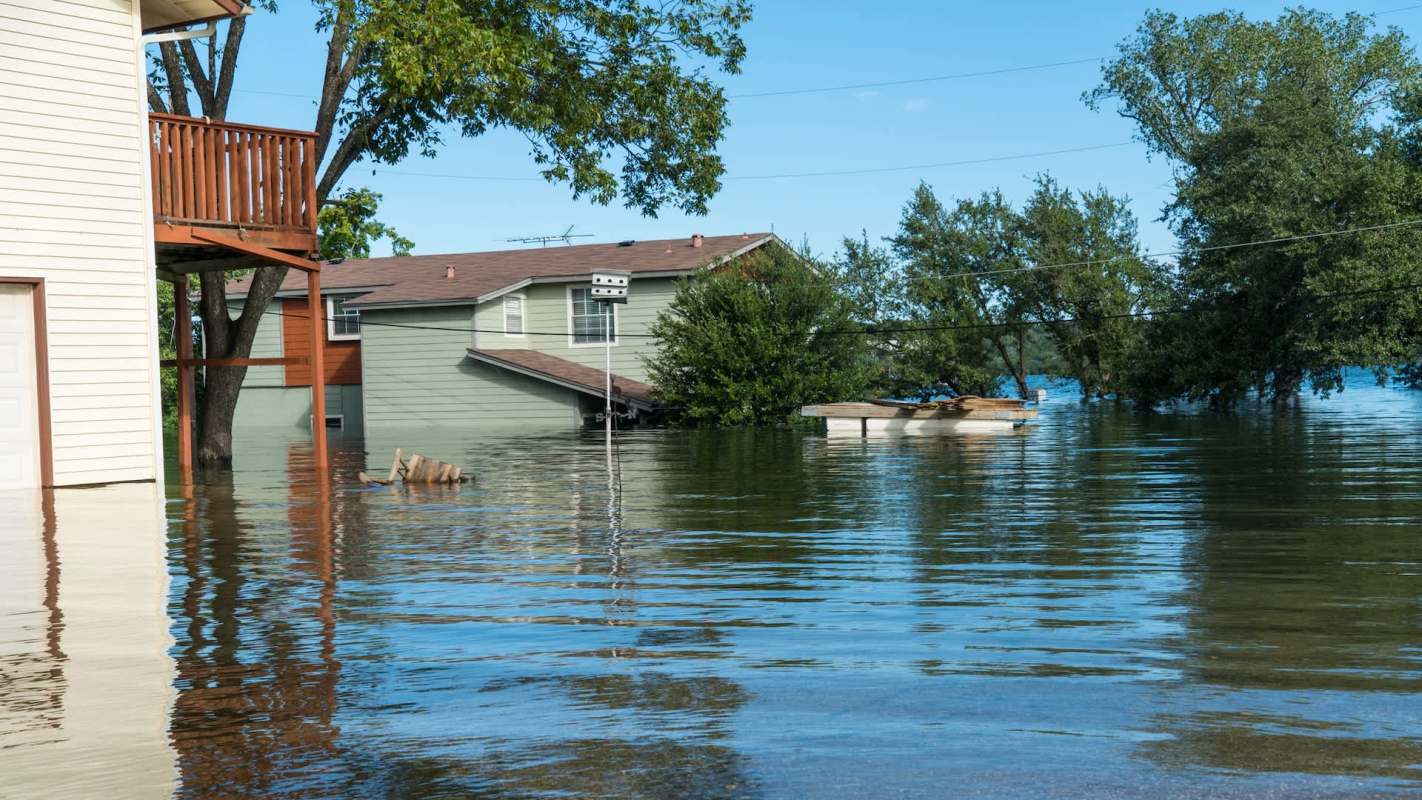
Researchers have found that, since 1950, economic losses from floods in Europe have decreased because of improvements in risk management, per a University of Potsdam news release.
What is climate adaptation?
Climate adaptation refers to measures taken to prepare for the actual or expected impacts of weather events resulting from rising global temperatures in efforts to reduce harm to life, property, and ecosystems.
Some examples of adaptation strategies commonly used by governments include building climate-resilient infrastructure, such as flood defenses and seawalls, improving early warning systems and land-use planning, and conserving natural ecosystems including wetlands.
A new study by the Potsdam Institute for Climate Impact Research, published in Science Advances, found that adaptation measures have reduced Europe's flood losses since the 1950s, particularly in Western and Southern Europe, per the release.
It revealed that early warning systems; precautionary measures such as building homes at higher elevations and using waterproof sealants on walls, doors, and windows; and improved emergency preparedness had the largest impacts on reductions in both economic losses and fatalities.
"Such adaptation other than structural flood defences has reduced economic losses from flooding by 63% and fatalities by 52% since 1950," according to the release.
Why is climate adaptation important?
While mitigation — actions taken to reduce and prevent the release of heat-trapping gases into the atmosphere and thereby slow the rate of planetary warming — is important, experts say that some warming is already locked in and can't be reversed.
Therefore, adapting in any ways we can will help reduce the vulnerability of people, communities, and ecosystems to the effects of the changing climate, which include more severe hurricanes, sea level rise, and water scarcity.
In the case of flooding, adaptation can make all the difference between a community being underwater during severe weather and riding out the storm without worrying about safety or property damage.
And while these investments can be expensive, it's much cheaper than doing nothing, as reports by the University of Cambridge's climaTRACES Lab, the Boston Consulting Group, and ICF International have shown.
TCD Picks » Quince Spotlight
💡These best-sellers from Quince deliver affordable, sustainable luxury for all




|
Which of these factors is the biggest obstacle preventing you from getting solar panels? Click your choice to see results and speak your mind. |
 The upfront cost 💰
 Some city councils are encouraging residents to install rain gardens to soak up excess water and prevent citywide flooding. In Florida, hurricane-proof homes and flood barriers are helping to keep out stormwaters and ensure properties can withstand violent winds and storm surge.
However, even though adaptation measures are increasing globally, the PIK researchers say that addressing the causes, rather than the effects, of planetary warming will have the greatest impact.
"We can reduce damage through adaptation, but adaptation has its limits," Katja Frieler, lead of the international climate impact model inter-comparison project ISIMIP and co-author of the study, said. "As warming increases, we are getting closer to those limits."
According to the release, "in the past four years, multiple particularly severe floods have occurred, such as the Ahrtal flood in Germany in 2021."
"It is important to continuously monitor progress in adaptation and the impacts of climate change, and to swiftly cut global greenhouse gas emissions to keep climate change impacts within manageable limits," Frieler added.

Join our free newsletter for good news and useful tips, and don't miss this cool list of easy ways to help yourself while helping the planet.
Cool Picks






