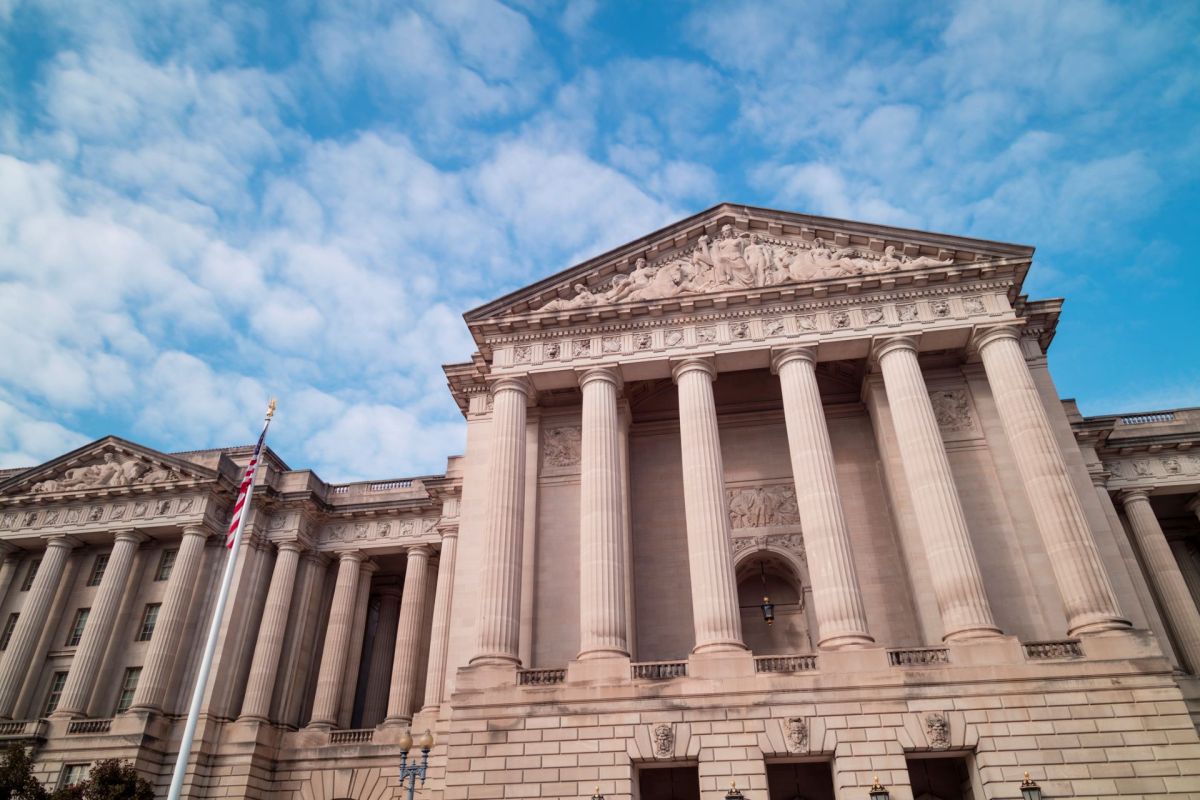
The United States Environmental Protection Agency proposed a new limit on states' and Tribes' use of the Clean Water Act to pause federally regulated projects.
While some believe the new rule could improve project efficiency, others argue it could harm the environment and human health.
What's happening?
According to the Associated Press in mid-January, the new rule would limit how states and Indigenous communities can use the Clean Water Act to block projects like natural gas pipelines. The proposed change appears to be a part of the Trump administration's goal of accelerating the construction of natural gas infrastructure and data centers.
The EPA has argued that the change will allow states and Tribes to protect the environment while limiting "unnecessary delays," the AP reported.
But Moneen Nasmith of Earthjustice told the outlet, "This proposed rule is trying to solve for a problem that does not exist."
Why would this potential change matter?
Administration officials suggested the change would be crucial to the president's economic agenda. But many environmentalists and public health advocates are worried about another cost.
Perk up the winter blues with natural, hemp-derived gummies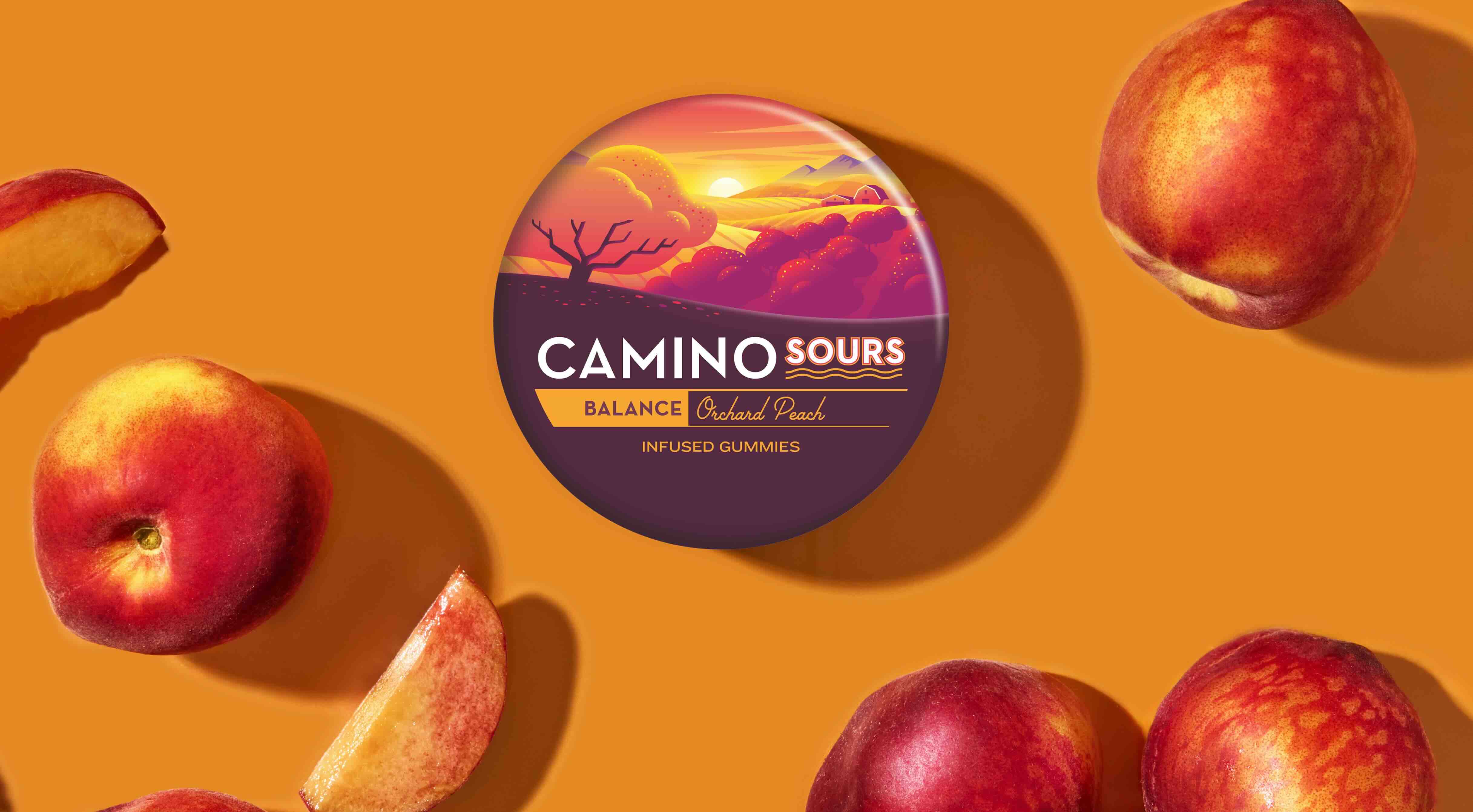 Camino's hemp-derived gummies naturally support balance and recovery without disrupting your routine, so you can enjoy reliable, consistent dosing without guesswork or habit-forming ingredients. Flavors like sparkling pear for social events and tropical-burst for recovery deliver a sophisticated, elevated taste experience — and orchard peach for balance offers everyday support for managing stress while staying clear-headed and elevated.
Learn more → |
"The EPA's proposal would weaken the law to fast-track pipelines and other polluting projects, leaving it to people downstream to pay the price without input in the process," Jon Devine of the Natural Resources Defense Council said in a press release.
The Environmental Law & Policy Center raised another concern: the legal balance between federal and state governments. If the rule comes to fruition, states and Tribes will have less authority over clean water at a time when pollution and flooding are increasingly causing health and habitat problems.
The conservation nonprofit American Rivers added that the Clean Water Act actually boosts economic growth. It can help increase home and community values while supporting local businesses, such as agriculture, outdoor recreation, hunting, and manufacturing.
What's being done about protecting American water?
A final ruling on this proposed change from the EPA is likely to come this spring, the AP reported. But a public comment period will come first.
TCD Picks » Upway Spotlight
💡Upway makes it easy to find discounts of up to 60% on premium e-bike brands





Earthjustice, meanwhile, noted in a release supporting the Clean Water Act back in November that it would "not hesitate to go to court to protect the cherished rivers, lakes, streams, and wetlands that all Americans need and depend on."
|
What's the most you'd pay per month to put solar panels on your roof if there was no down payment?
Click your choice to see results and speak your mind. |
 $200 or more 💰
Get TCD's free newsletters for easy tips to save more, waste less, and make smarter choices — and earn up to $5,000 toward clean upgrades in TCD's exclusive Rewards Club.
Cool Picks