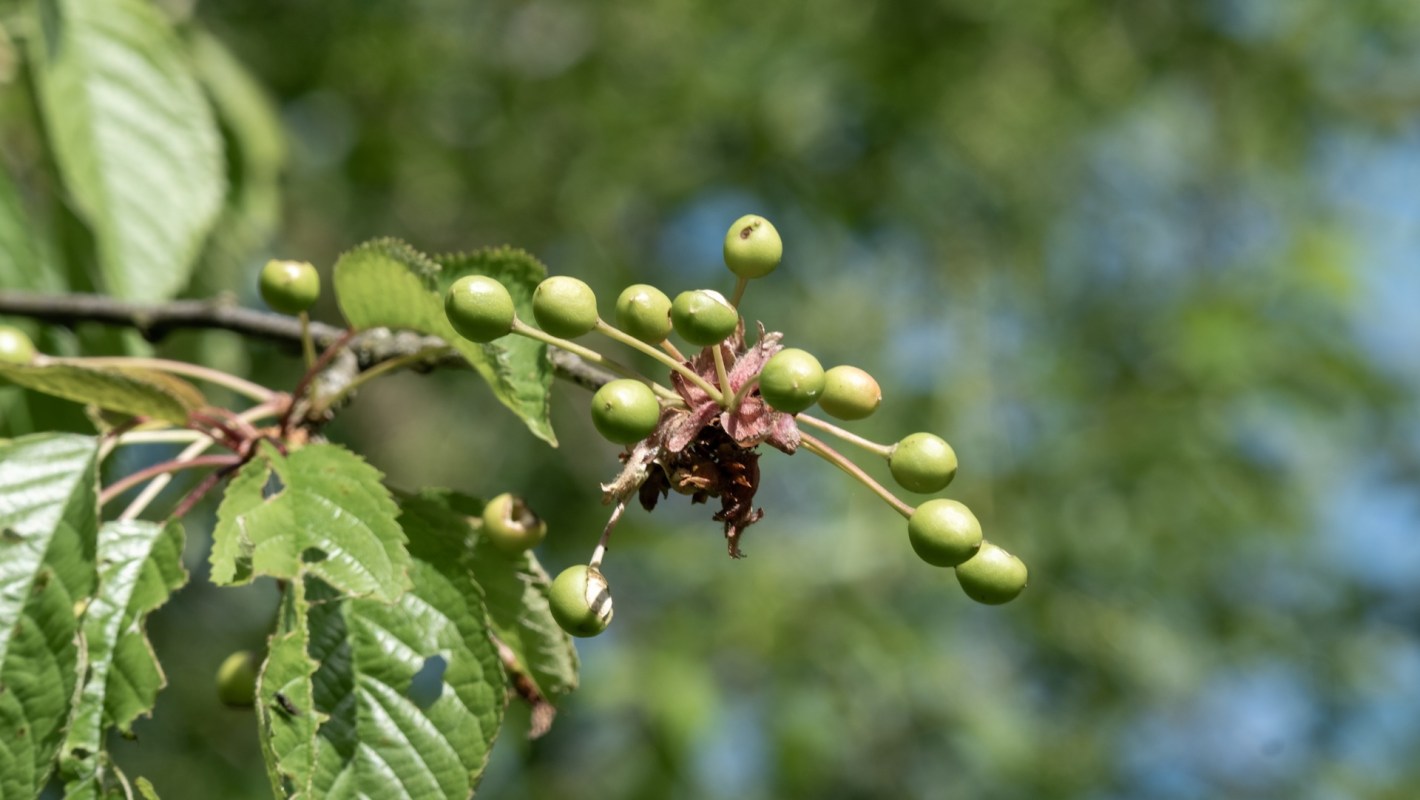
Kern County officials are turning to the state of California after severe weather battered the local cherry crop, as KGET reported.
An unusually hot stretch in March, followed by April rain, sharply cut this year's production and could damage grower income as well as the region's larger farm economy.
What happened?
KGET reported that the county is preparing to request assistance from the California Governor's Office of Emergency Services to address the cherry crop damage.
The basis for that request is a draft letter from Kern County Agriculture and Measurement Standards. In it, officials said a survey of area growers pointed to about a 42% reduction in total production for the 2025-2026 season, per the network.
County figures put output at 2.07 tons an acre, below the five-year average of 2.66 tons. The same estimates placed growers' losses at $13,561,280, according to KGET
The letter traces the trouble first to March, when Kern County was hit by what it called "one of the most extreme early-spring heat events in decades." Around March 16, KGET noted temperatures rose into the mid-90s and remained elevated through an 11-day heat dome, far above the usual March range in the 70s.
TCD Picks » Quince Spotlight
💡These best-sellers from Quince deliver affordable, sustainable luxury for all




Rain arrived in April and led cherries to crack and split, according to the growers, the station reported. For this crop, that kind of damage is a major driver of fruit loss, especially during important development stages.
Why does it matter?
When harvests shrink, growers and farmworkers can lose income, supply chains can tighten, and shoppers may eventually see higher prices or reduced availability in stores.
Unseasonable heat and sudden rainfall can destroy crops, strain rural economies, and create hardship for families whose livelihoods depend on agriculture.
Extreme heat is also a direct health risk, particularly for outdoor workers, while the financial toll can undermine stability across entire communities.
The weather hit at a particularly sensitive point in the season, as KGET reported.
The county letter said early heat can shorten the chilling period cherry trees require, and warned that such stress can "seriously — and sometimes irreversibly — impact cherry trees' growth, flowering and fruiting potential."
What's being done?
Through the state, KGET reported county leaders want Kern included in a Secretarial Disaster Declaration designation.
If the governor sends a written request and the U.S. Secretary of Agriculture signs off, eligible producers in Kern County could access low-interest emergency loans through the Farm Service Agency, the station said.
That type of aid can help farms stay afloat after severe weather wipes out expected revenue. While loans cannot replace a lost crop, they can offer some relief for growers facing reduced yields, continued labor costs, and future planting or orchard maintenance expenses.
On a broader level, incidents like this reinforce the need for stronger climate resilience in agriculture. That ranges from improved forecasting and emergency response to strategies that help farms adapt to more frequent temperature swings and unusual precipitation.

Get TCD's free newsletters for easy tips, smart advice, and a chance to earn $5,000 toward home upgrades. To see more stories like this one, change your Google preferences here.