


The carbon credit market once seemed like a promising way to protect the world's forests.
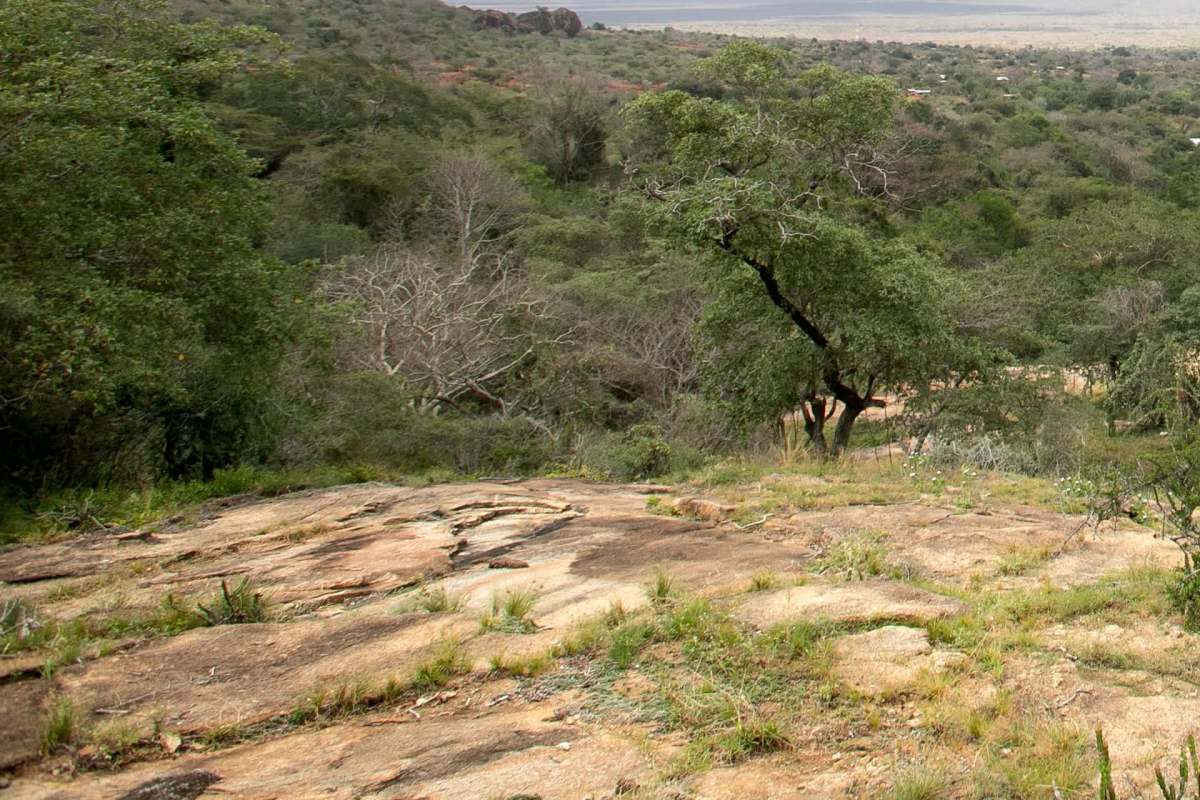
But in recent years, the industry lost significant trust and support, leaving forests like the Kasigau Corridor in Kenya in the lurch, according to The Guardian.
What's happening?
Carbon credits became a popular choice for big companies like airlines and oil companies to try to offset their emissions.
The idea was that a corporation could purchase credits that funded planet-friendly projects, and in turn, cancel out a certain amount of harmful carbon pollution. Sounds great, right?
Unfortunately, this market virtually collapsed after the leading facilitator of credits, Verra, was found to have a flawed system that overstated the credits' impacts, The Guardian reported.
The Kasigau Corridor in Kenya was one of the few projects that truly benefited from financial support through carbon credits.
With large investments from large corporations like Shell and Netflix, the country made strides toward protecting Kasigau, an important elephant habitat and natural resource. Without that funding, the forest has become vulnerable to deforestation.
"The rumour in the community is that the project is dying because there is no money coming in," said Agnes Kipee, who lives near Kasigau.
"There is no income now," affirmed Newton Nyiro, who used to work on the project measuring trees. "We are really suffering. We depend on the forest."
Why is deforestation concerning?
Forests are among the most important natural resources on Earth.
TCD Picks » Quince Spotlight
💡These best-sellers from Quince deliver affordable, sustainable luxury for all




|
What should the government do about the fast fashion industry?
Click your choice to see results and speak your mind. |
 Set strict regulations 🚫
 They keep the air clean for humans to breathe and are home to millions of animal species. Preserving them is non-negotiable in the fight to keep the world a safe and healthy place to live.
Carbon credits no longer seem like a good way to achieve that goal, as over 90% of a large sample of offset projects "did not represent genuine carbon reductions," The Guardian found.
The controversy was a good example of greenwashing — giving the appearance of being sustainable without meaningful action to match.
However, that doesn't mean every carbon credit project was misrepresented. Kasigau and other credible projects made real headway with the support of credits before they vanished.
What's being done to fix carbon credits?
Verra is reportedly implementing a new system for calculating credits, aiming to be more accurate and transparent.
It remains unclear whether companies will actually return to the carbon credit market, The Guardian warned.
Fortunately, there are myriad avenues to reduce pollution at the source instead of trying to offset it later.
Supporting conservation initiatives, taking local action, and shopping at businesses that make good on eco-friendly commitments are all ways that everyday people can help.

Get TCD's free newsletters for easy tips to save more, waste less, and make smarter choices — and earn up to $5,000 toward clean upgrades in TCD's exclusive Rewards Club.
Cool Picks





