


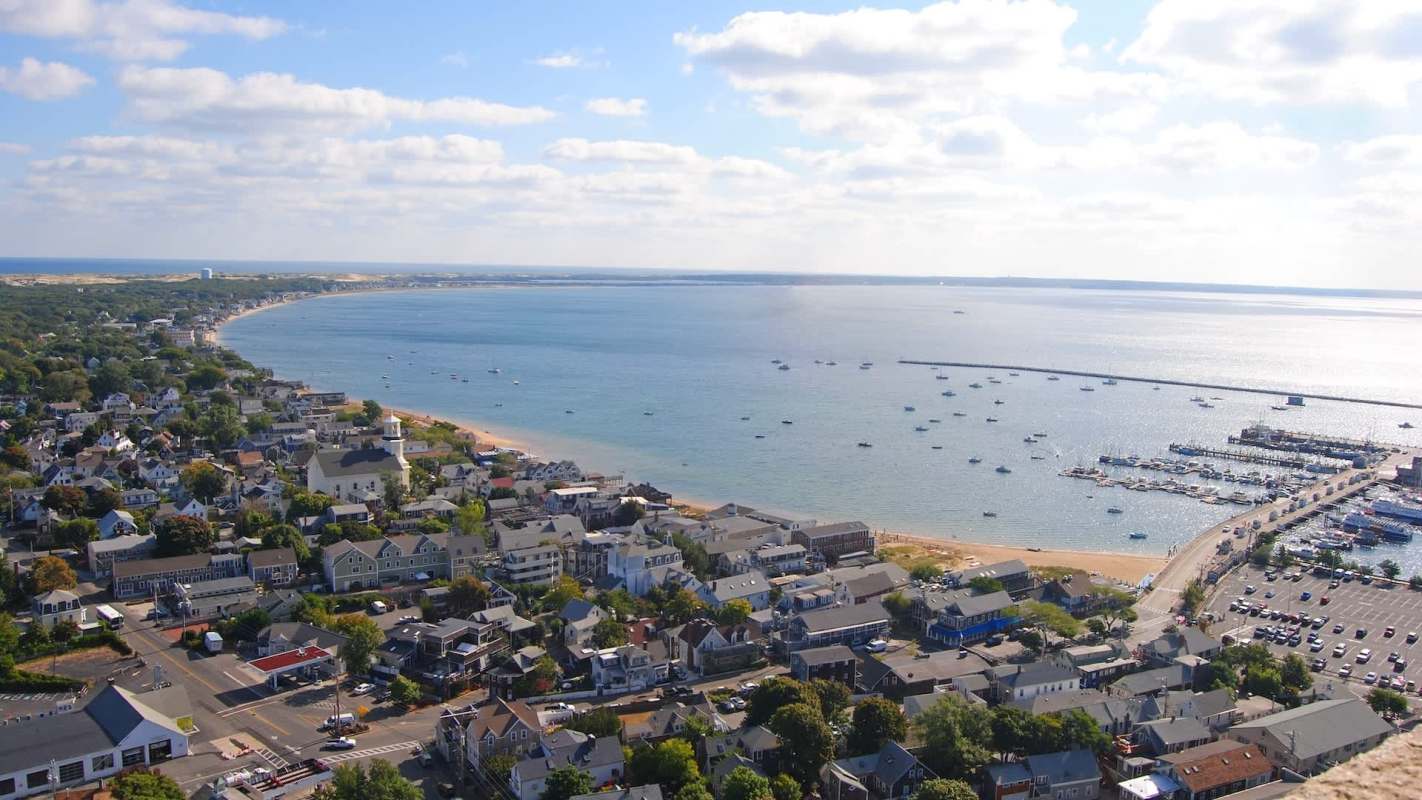
Towns in the Cape Cod region of Massachusetts are planning for steadily rising sea levels.
To prevent future flooding, they're exploring how to change wetland and zoning regulations and bylaws.
What's happening?
As The Cape Cod Chronicle reported, planning boards and conservation commissions have been gathering in Harwich, Chatham, and Orleans, Massachusetts, to discuss the changes. They aim to improve coastal resilience and prevent future flood hazards.
In this region of the country, property values are high, with assessed values well into the billions. Just these three communities, plus Brewster, have $10.2 billion assessed in FEMA's floodplain.
"We have to acknowledge that our weather is changing," said Heather McElroy from the Cape Cod Commission, per The Chronicle. "Storms are more intense. Together with sea level rise, there's going to be more wind-driven flooding and storms with real erosive effect on our shorelines. We have a responsibility to ensure that new development — as it is proposed, as it comes before our boards — is permitted and built to be as resilient as possible."
Why are floodplain regulations important?
Many communities in Cape Cod and other regions worldwide are increasingly at risk due to rising sea levels and flood hazards. Climate experts have predicted concerning, steady rises in the world's seas caused by human activities such as burning fossil fuels. Higher sea levels can put people's lives in danger and cause severe economic damage.
Floodplain specialists are hard at work, pushing for regulations and bylaws for at-risk towns to consider. Proposals on Cape Cod address new development within existing floodplains, prevent natural resource loss, and reduce human suffering and loss of life.
These types of laws can also hold towns accountable to performance standards and create resilience zones for land to absorb coastal storm flowage while sparing residences and businesses.
Fortunately, many other cities, such as Philadelphia, are also developing plans to prevent contamination of drinking water and other negative impacts of rising seas.
What's being done to protect coastal communities?
If you live in a coastal community, consider getting involved in local discussions and with planning committees to improve resilience efforts. Voicing your concerns can spark widespread advocacy and help protect the people, homes, and businesses you care about.
TCD Picks » Upway Spotlight
💡Upway makes it easy to find discounts of up to 60% on premium e-bike brands





|
What's the most you'd pay per month to put solar panels on your roof if there was no down payment?
Click your choice to see results and speak your mind. |
 $200 or more 💰
 Wherever you live, educate yourself about critical climate issues, such as sea level rise and its impacts. You can also set a sustainable example for people in your life by reducing your own pollution, which contributes to the climate crisis and rising sea levels.
For example, installing solar panels on your home can help you save money on monthly energy costs and become more resilient during extreme weather.
TCD's Solar Explorer connects you with vetted installers so you can save up to $10,000 on installation costs. One TCD partner, EnergySage, offers a free service to help you discover and take advantage of all available solar incentives.
More communities like those on Cape Cod must start planning now to mitigate future storm risks and preserve their way of life. Armed with scientific research and a local commitment, we can make significant strides in preparing for Mother Nature's next devastating storms.

Get TCD's free newsletters for easy tips to save more, waste less, and make smarter choices — and earn up to $5,000 toward clean upgrades in TCD's exclusive Rewards Club.
Cool Picks





