


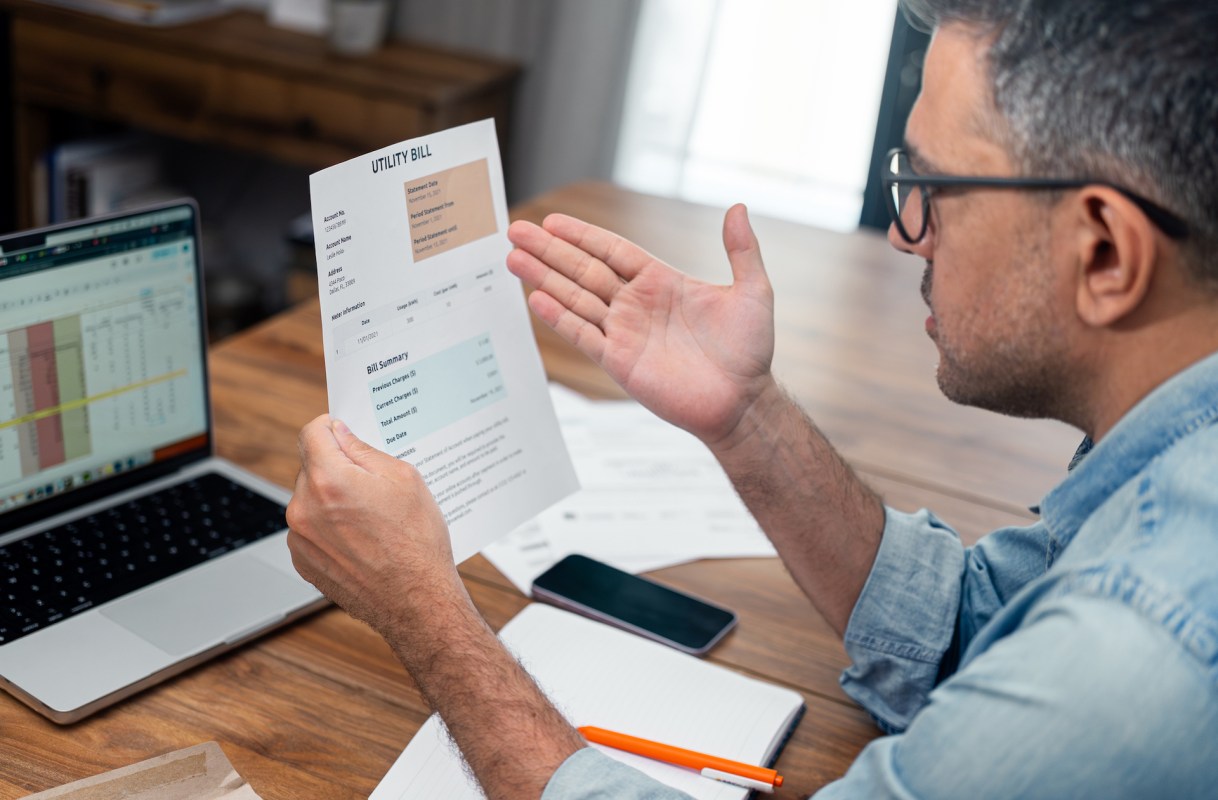
Tens of millions of New Jerseyans will pay more for electricity over the next year after an annual energy industry meeting.
What is a capacity auction?
The capacity auction, or "energy auction," determines how much consumers will pay for the year, Gothamist reported. This time, the rate reached the cap of $329.17 per megawatt day; it would've been $388.57 otherwise.
The 22% increase over the previous figure will push residents' bills higher by 1.5% to 5%, Stu Bresler, PJM Interconnection's executive vice president of market services and strategy, said. PJM is a regional transmission organization that supplies power to 67 million people in 13 states and Washington, D.C.
Last year, the price per megawatt day rose from $28.92 to a record $269.92 — a ninefold increase.
Why is this important?
Though the hike was a big one, it could've been worse. Pennsylvania Gov. Josh Shapiro filed a lawsuit that kept PJM from setting the cap at $500 per megawatt day. In April, his office said a settlement would save customers $21 billion over two years.
"PJM was already under pressure from state officials due to the spike last year," Gothamist stated. "During a tense March hearing, company executives told NJ lawmakers that the drastic jump was largely due to future demand for energy outstripping supply."
Much of this future demand comes from the proliferation of data centers, which greatly strain grids around the world. In the United States, this most affects PJM and the Electric Reliability Council of Texas.
Individuals end up subsidizing the technology and other companies that are building and expanding these centers with higher rates.
Get $1,000 cash to slash your bills with rooftop solar panels for $0 down and low monthly payments Whatever your solar budget, Palmetto can help you save. If you want to buy your own panels, Palmetto's advisors can help you save up to $10,000 on installation through a network of preferred installers. And if you'd rather get solar savings without upfront costs, Palmetto's revolutionary LightReach subscription program can deliver — including an exclusive $1,000 cashback offer for TCD readers. LightReach lets you lease solar panels with no money down, making it painless to lock in long-term savings of up to 33% off your current power bill. Palmetto covers a 25-year warranty for the panels, which means you'll get reliable performance without unforeseen costs. To get started, just book a short meeting with Palmetto's experts to explore your options and find the solution that's right for you. |

Some but not all of it is to support artificial intelligence, but as one Gothamist commenter noted: "[AI] has yet to deliver any tangible, verifiable public benefit across any sector of human industry. Its widespread deployment has instead resulted in profound and growing social, ethical, and environmental harm: from the erosion of labor rights and creative industries, to the amplification of disinformation, surveillance, and algorithmic bias, to the staggering carbon footprint associated with training and running large-scale AI models."
How to counteract growing demand and rising rates
Gothamist noted that New Jersey Gov. Phil Murphy told the Federal Energy Regulatory Commission in April that PJM was manipulating the market via its capacity auction. In July, Murphy, Shapiro, and seven other governors said they wanted a role in filling two empty seats on the PJM board.
|
Do you think your city has good air quality? Click your choice to see results and speak your mind. |
 Definitely 🥰
 This kind of public pressure can have a big impact on utilities, as lawmakers and customers in Texas took similar action to back down CenterPoint from raising rates after its grid failed spectacularly last year when Hurricane Beryl swept through the Houston area. (The utility is negotiating another increase.)
For homeowners, turning to solar power can sever dependency on the grid, lowering monthly energy bills and reducing the planet-warming pollution that is responsible for increasingly frequent and severe extreme weather events — which are another reason power can be so unreliable. You can install solar panels, lease them, or use a community solar program.
Buying panels is expensive upfront, but renting them allows you to reap the benefits without that initial burden. Check out Palmetto if you're interested. The company operates in 31 states and has leasing plans for $0 down.
If you want to buy your own solar panels, EnergySage offers free tools to get and compare quotes, find a vetted local installer, and save $10,000 on installation. If you're on the fence, check out the pros and cons of each option.

Join our free newsletter for good news and useful tips, and don't miss this cool list of easy ways to help yourself while helping the planet.
Cool Picks




