


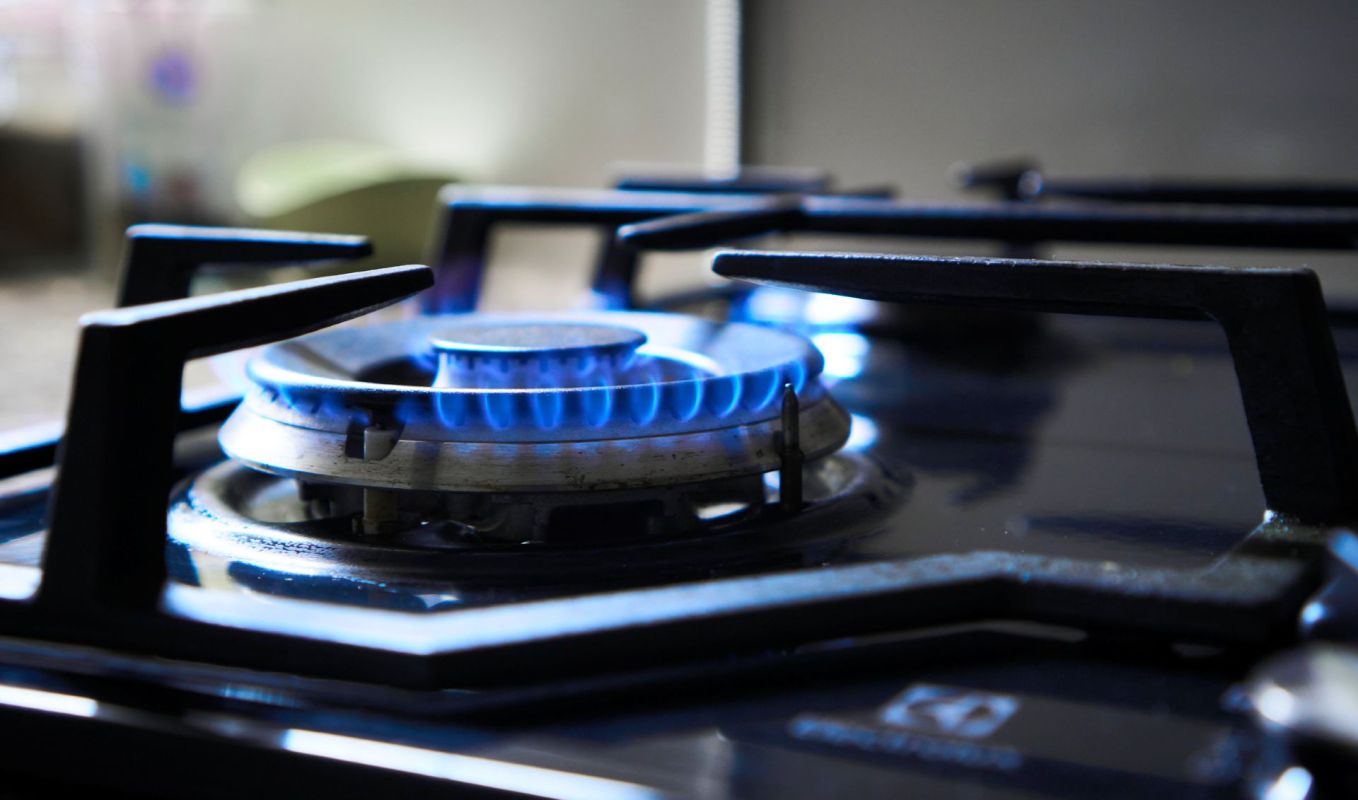
A federal appeals court has handed California regulators a new way to crack down on natural gas appliances by setting strict pollution limits.
How communities pursue cleaner air may be affected by the ruling, and so could homeowners, builders, landlords, and businesses that depend on gas equipment.
What happened?
According to The Black Chronicle, a split three-judge panel on the Ninth Circuit ruled 2-1 on July 2 that the South Coast Air Quality Management District may be able to rely on emissions standards to effectively phase out some natural gas appliances.
The Los Angeles-area air district adopted rules in 2022 that require zero NOx emissions from "all stationary sources," including residential water heaters and other appliances. Because current gas-fired products still emit NOx, the rule operates as a de facto ban even though it does not expressly outlaw natural gas.
That distinction is important because the same appeals court ruled in 2023 that federal law prevented Berkeley from using building-code restrictions on gas piping in new homes. In this newer case, however, the majority said federal energy law does not necessarily stop air regulators from imposing emissions limits they say are needed to satisfy Clean Air Act goals, and the opinion was written by Ninth Circuit Judge Lucy Koh.
Why does it matter?
For communities facing unhealthy air, the case offers a possible way to reduce pollution in homes and neighborhoods. NOx pollution helps create smog, which can worsen breathing problems and can hit children, seniors, and people with asthma especially hard. Reducing those emissions could improve local air quality.
TCD Picks » Quince Spotlight
💡These best-sellers from Quince deliver affordable, sustainable luxury for all




At the same time, the ruling underscores the concerns of people who may be pushed to change technologies. The lawsuit came from appliance manufacturers and industry groups representing home builders, restaurants, hotels, and apartment owners, all of whom have argued that the shift could bring added costs, compliance burdens, and fewer equipment options, according to the Chronicle.
Cleaner air rules can deliver public health benefits. But if replacement appliances are too expensive or too difficult to install, the transition could feel burdensome for families and small businesses already strained by housing and energy costs.
What's being done?
The ruling does not immediately remove gas appliances from homes, but it gives California regulators a clearer legal strategy for steering future purchases toward zero-pollution options, the Chronicle reported. It also raises the stakes in a broader national fight over how far local and regional agencies can go when federal law limits direct bans.
One likely next step is broader policy support to make cleaner technology easier to adopt. Rebates for heat pump water heaters, incentives for induction cooking, contractor training, phased deadlines, and additional help for low-income households could address some of the most common criticisms while preserving the air-quality benefits regulators are seeking.
"Under current technology, the zero NOx rule means no natural gas appliances," Ninth Circuit Judge Kenneth Lee wrote in dissent, according to the Chronicle. Meanwhile, the National Association of Home Builders warned that "Builders operating in multiple states may continue to face varying rules, complicating compliance and limiting appliance choices for home buyers."

Get TCD's free newsletters for easy tips, smart advice, and a chance to earn $5,000 toward home upgrades. To see more stories like this one, change your Google preferences here.






