


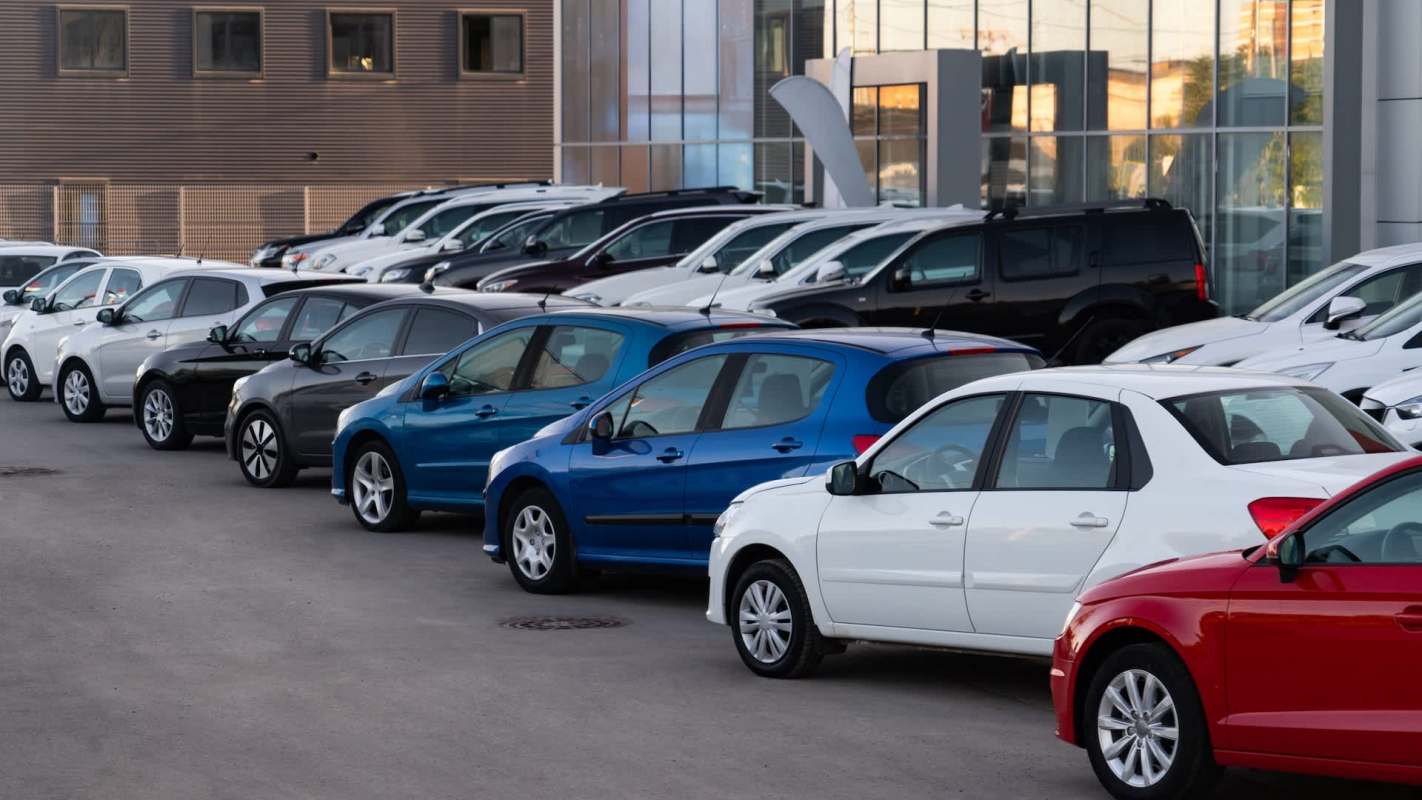
California car shoppers will soon see lower upfront prices on electric vehicles, as the state and automakers are stepping in.
In response to the end of the federal $7,500 EV tax credit, state officials are preparing a new $3,500 point-of-sale rebate for buyers of new EVs, USA Today reported.
What's happening?
Rather than making purchasers wait for tax time, California's proposal would reduce the price of a qualifying new electric vehicle immediately, according to the publication.
USA Today reported part of the money would come from a $135 million allocation included in a recent budget agreement between Gov. Gavin Newsom and legislative leaders, and additional funding is expected from automaker-backed grants.
"$135 million for first-time EV buyers, matched dollar-for-dollar by automakers, adds up to more than $270 million in welcome help for new EV buyers," Mike Murphy, CEO of the American EV Jobs Alliance, told USA Today.
The state's plan emerged after President Donald Trump backed legislation through Congress that ended the federal EV credit on Sept. 30, 2025. With new EV prices averaging about $55,000, the loss of that incentive raised the barrier for many would-be buyers, as USA Today notes.
TCD Picks » Quince Spotlight
💡These best-sellers from Quince deliver affordable, sustainable luxury for all




Rebates are also expected to cover used EV purchases, the outlet reported, though officials have not yet announced those amounts. USA Today also suggested that the new program is likely to be limited to California residents, as the state's earlier rebate was, rather than also extending to anyone buying in California.
While the money could be seen as lost tax revenue, the benefits for California are seen by officials as money worth spending to reduce gas and oil demand and usage in the state while also leading to cleaner air and quieter roads. Many EVs can also serve as flexible battery backup systems to help the grid over the long run, too, absorbing solar power during the day and expending some of it back into the grid overnight.
That last benefit may not matter much from one driver, but when the number of drivers with such a setup starts to hit large numbers, it could be a true difference-maker down the line toward American energy independence from relying on other countries — one of the original goals of the Inflation Reduction Act that contained the federal EV credit.
Why does it matter?
Unlike a tax credit, which often does not help until buyers file their returns, an instant rebate lowers the vehicle price at the dealership. That can make financing more manageable and shrink monthly payments.
California still leads the country in EV adoption. USA Today reported that Alliance for Automotive Innovation data showed EVs and hybrids made up nearly 24% of the state's 2025 new light-duty registrations, while no other state topped 20%.
When EV adoption slows, fewer consumers benefit from the lower fueling and maintenance costs that electric vehicles can offer compared with gas-powered cars. Greater EV use can also cut tailpipe pollution, which has been associated with respiratory and heart health concerns, especially in heavily trafficked communities.
Recent sales figures already suggest the federal credit's disappearance has put pressure on the market, as USA Today noted. According to the Auto Alliance, EVs represented 9.6% of the overall market in 2025, down 0.6% from 2024, after a wave of purchases before the credit expired.
What's being done?
To offset that loss, California is moving forward with a state incentive of its own.
Because the discount would come upfront, the format could be particularly useful for first-time buyers who may not have room in their budgets for a larger initial expense.
The plan would not be limited to new models, as used EVs are included too. Those vehicles can provide many of the same fuel-saving advantages at a much lower purchase price, making them a key option for families trying to reduce transportation costs.
California's vehicle policies often influence other states, officials revealed. USA Today noted that 17 states have adopted at least some of its clean-car rules, and some could eventually pursue a similar rebate program.
That provides some hope for more like-minded states stepping up to the plate to help boost EV sales through incentives.

Get TCD's free newsletters for easy tips, smart advice, and a chance to earn $5,000 toward home upgrades. To see more stories like this one, change your Google preferences here.






