


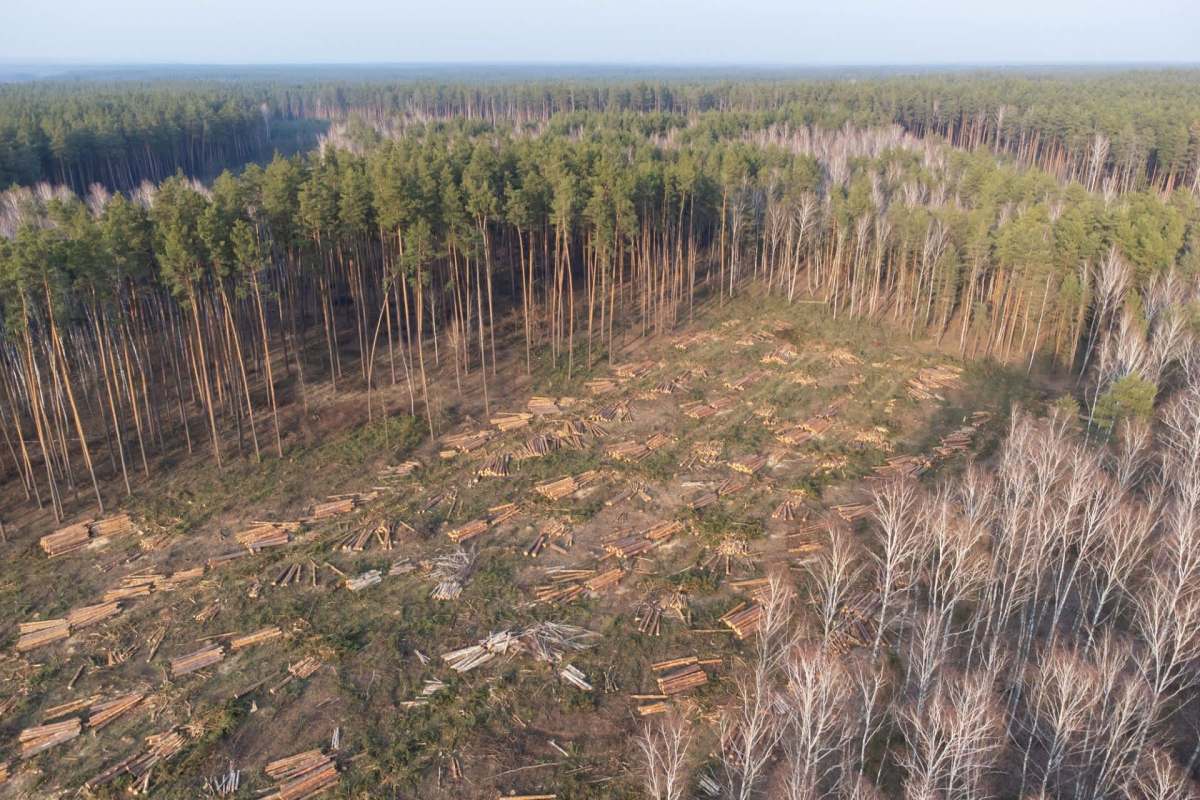
A new global report revealed that the global business community is actively dismantling the natural systems it relies on, with everyday people paying the biggest price.
What's happening?
Released in February, the Business and Biodiversity report from the intergovernmental group IPBES analyzed thousands of studies to assess how businesses both depend on and harm the natural world, the BBC reported.
In 2023 alone, the world spent $7.3 trillion on activities that harm nature, with $4.9 trillion from private companies and $2.4 trillion from government subsidies, per the report. Just $220 billion went toward protecting or restoring ecosystems.
"The loss of biodiversity is among the most serious threats to business," said Stephen Polasky, co-chair of the assessment, in an IPBES press release. "Yet the twisted reality is that it often seems more profitable to businesses to degrade biodiversity than to protect it."
Yet less than 1% of companies mention biodiversity impacts in their reports, the assessment found. The report identified root causes like large subsidies driven by business and trade lobbying that contribute to nature's decline.
Why is this concerning?
Every business, from farms to offices, depends on clean water, healthy soil, and pollinators like bees, all of which depend on biodiversity. When these systems degrade and the carbon cycle is disrupted through deforestation or the warming effects of burning oil, gas, and coal, the consequences can escalate quickly.
Crop failures from declining pollinator populations, floods from destroyed wetlands, and water shortages from degraded rivers are already impacting multiple industries and raising consumer prices for food, insurance, and more, according to the IPBES report. Over the next decade, these risks are expected to grow, threatening jobs, food security, and household costs.
Indigenous communities bear the heaviest burden, with 60% of Indigenous lands globally threatened by industrial development, and nearly 25% facing high pressure from mining, logging, and energy projects, often without community consent, according to the IPBES report.
The report also calls out greenwashing, noting that many companies claim to protect nature while only marginally reducing harm or misrepresenting carbon offset promises.
"Businesses and other key actors can either lead the way towards a more sustainable global economy or ultimately risk extinction," co-author Matt Jones said.
TCD Picks » Quince Spotlight
💡These best-sellers from Quince deliver affordable, sustainable luxury for all




|
Which of these savings plans for rooftop solar panels would be most appealing for you?
Click your choice to see results and earn rewards to spend on home upgrades. |
 Save $1,000 this year 💸
 What can be done about this?
Fortunately, the IPBES report outlines a clear path forward with required actions from governments and banks to individual businesses and consumers.
Key recommendations include phasing out harmful subsidies, making corporate biodiversity reporting mandatory, and ensuring Indigenous communities have informed consent over decisions affecting their lands. Banks and investors are urged to redirect finance toward conservation and restoration.
For consumers, supporting companies with verified sustainability commitments sends a clear signal that responsible practices are expected.

Get TCD's free newsletters for easy tips to save more, waste less, and make smarter choices — and earn up to $5,000 toward clean upgrades in TCD's exclusive Rewards Club.
Cool Picks





