


For many households, the biggest obstacle to installing a home battery has been the upfront cost. A new offer aims to remove that barrier by combining zero-upfront installation with lower electricity rates, giving customers in the United Kingdom a chance to reduce energy bills while adding backup power at home.
What's happening?
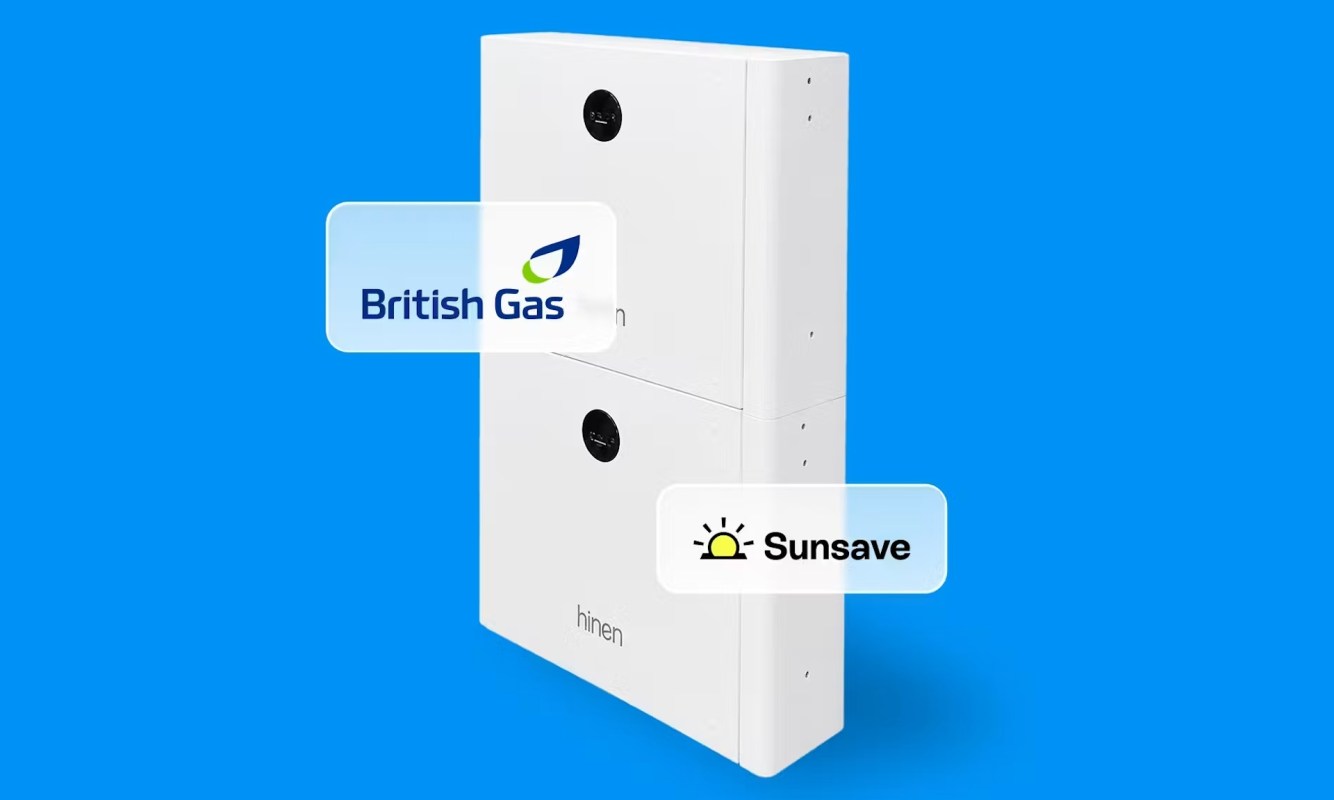
Installer reported that British Gas is partnering with Sunsave to offer battery storage to its customers. Under the offer, customers can have home battery storage installed without paying anything upfront.
"Solar can massively cut energy costs, but it's not suitable for all homes. If you can't get solar, you can still save a lot of money with a home battery," said Ben Graves, co-founder of Sunsave, per Installer. "Not a lot of people are aware of this today, and so we're excited to deepen our partnership with British Gas to help more households save."
Many homeowners have liked the idea of battery storage but have been deterred by the initial expense. Taking away that large upfront payment could put the technology within reach of more households, allowing them to bank cheaper electricity for later use, especially during costly peak periods.
Battery storage can protect a home during outages. It can also help save money on energy and, when paired with solar panels, bring a household much closer to going off-grid.
According to Installer, with the "Store and Save" option, there is a fixed rate of 11 pence per kilowatt-hour, amounting to £640 (around $850) in savings per year.
If you're weighing similar options, it may be worth exploring EnergySage's free tools to learn more about home battery storage and compare competitive installation estimates. EnergySage has also teamed up with the electrification company Qmerit to guarantee you get the best price on home battery storage solutions.
Why does it matter?
Energy prices remain unpredictable, and concerns about grid reliability are growing as major storms and heat waves become more common. A home battery can keep essentials such as lights, Wi-Fi, refrigeration, and phone charging running during an outage.
Crushed by your bills? See instant solar savings from vetted installers in just a few clicks With energy prices through the roof, there's never been a better time to go solar — and EasyHome can help you find the best prices from the best installers in your area. EasyHome takes the guesswork and headaches out of energy upgrades by showing you estimated savings from a network of vetted local partners. To get started, just enter your ZIP and share a few details about your home — seeing your estimate is really that easy. |

Batteries can also give households more control over when they use electricity, allowing them to store cheaper power and use it later when rates rise. That flexibility can translate into meaningful savings, particularly in areas with time-of-use pricing or regular spikes in demand.
The more homes can store power and use it strategically, the easier it becomes to reduce strain on the grid during peak periods, when nonrenewable energy sources are often brought online.
For people who want a smaller-scale backup option, Pila is another company offering excellent battery backup choices. Its plug-and-play batteries are priced at a fraction of what a whole-home backup system would cost.
What's being done?
The model reflects a broader shift in how clean energy upgrades are marketed: not simply as home improvements but as service-based products designed to reduce upfront risk. That approach can make battery storage more accessible for people who want both resilience and savings without a major cash payment.
Battery systems are also becoming easier for consumers to navigate as more companies bundle financing, installation, and energy plans into a single package. Rather than piecing together contractors, products, and tariffs on their own, customers are increasingly being offered a more straightforward option.
Whole-home systems can offer energy security for families seeking a more robust solution, while portable and modular products can cover the basics for those with smaller budgets or different living situations.
As battery technology improves and competition pushes prices down, home energy storage is starting to look less like a niche upgrade and more like a practical tool to lower costs, prepare for outages, and gain more control over household power use.
Flexible battery options are expanding, and whether it is a full home system or a smaller plug-and-play unit, storage can help people save money, stay powered up, and prepare when the grid is under pressure.

Get TCD's free newsletters for easy tips, smart advice, and a chance to earn $5,000 toward home upgrades. To see more stories like this one, change your Google preferences here.






