


Pacific bottlenose dolphins may soon be encountering an unwelcome threat, according to The Korea Herald.
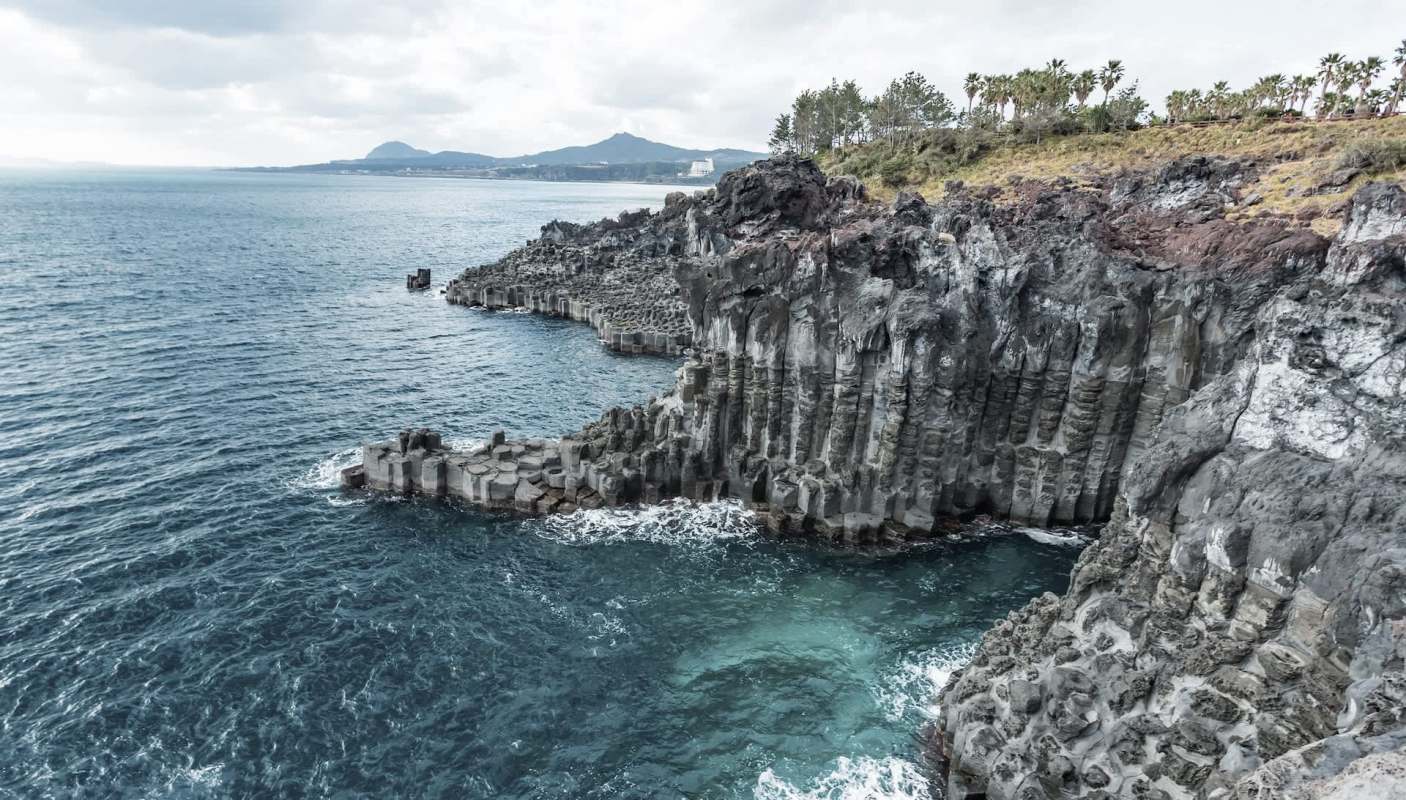
South Korean officials are seeking to create yacht routes around Jeju Island to support the local tourism industry. Unfortunately, these routes cut through the habitat of roughly 120 protected bottlenose dolphins.
"The area has already been damaged by excessive sightseeing boats, which stress dolphins and affect their rest, feeding and parenting," said a spokesperson from conservation non-profit Hot Pink Dolphins. "If yachts are added, the situation will become even more serious."
Bottlenose dolphins already face steep challenges due to plastic waste in the ocean. But noise pollution is a major challenge as well, as these animals rely on echolocation to coordinate with social groups and hunt prey.
Loud motors buzzing through the water can disrupt bottlenose dolphins' ability to engage in vital activities, such as mating.
Bottlenose dolphins provide a range of ecosystem services, including nutrient cycling and prey population management, and their long lifespans also allow researchers to observe how ecosystems evolve over time.
For example, they can help demonstrate the rates at which toxins bioaccumulate in individuals.
Concerned citizens can take local action by opposing similar developments that threaten to erode natural habitat.
In addition to tourism, agriculture and housing also play significant roles in degrading wilderness areas and denying wildlife access to important resources.
Experts in South Korea remained dedicated to applying existing protections to bottlenose dolphins and securing new ones in the face of pressure from the tourism industry.
TCD Picks » Quince Spotlight
💡These best-sellers from Quince deliver affordable, sustainable luxury for all




|
Which of these savings plans for rooftop solar panels would be most appealing for you?
Click your choice to see results and earn rewards to spend on home upgrades. |
 Save $1,000 this year 💸
 "Jeju has taken contradictory steps regarding Indo-Pacific bottlenose dolphins, but it should make greater efforts to balance conservation values with the island's extremely high demand for coastal use," the head of the Paran Ocean Citizen Science Center, Shin Soo-yun, said.
"Many risk factors in the protected area have been left unaddressed, and the new plan only adds to the concerns."

Get TCD's free newsletters for easy tips to save more, waste less, and make smarter choices — and earn up to $5,000 toward clean upgrades in TCD's exclusive Rewards Club.
Cool Picks





