


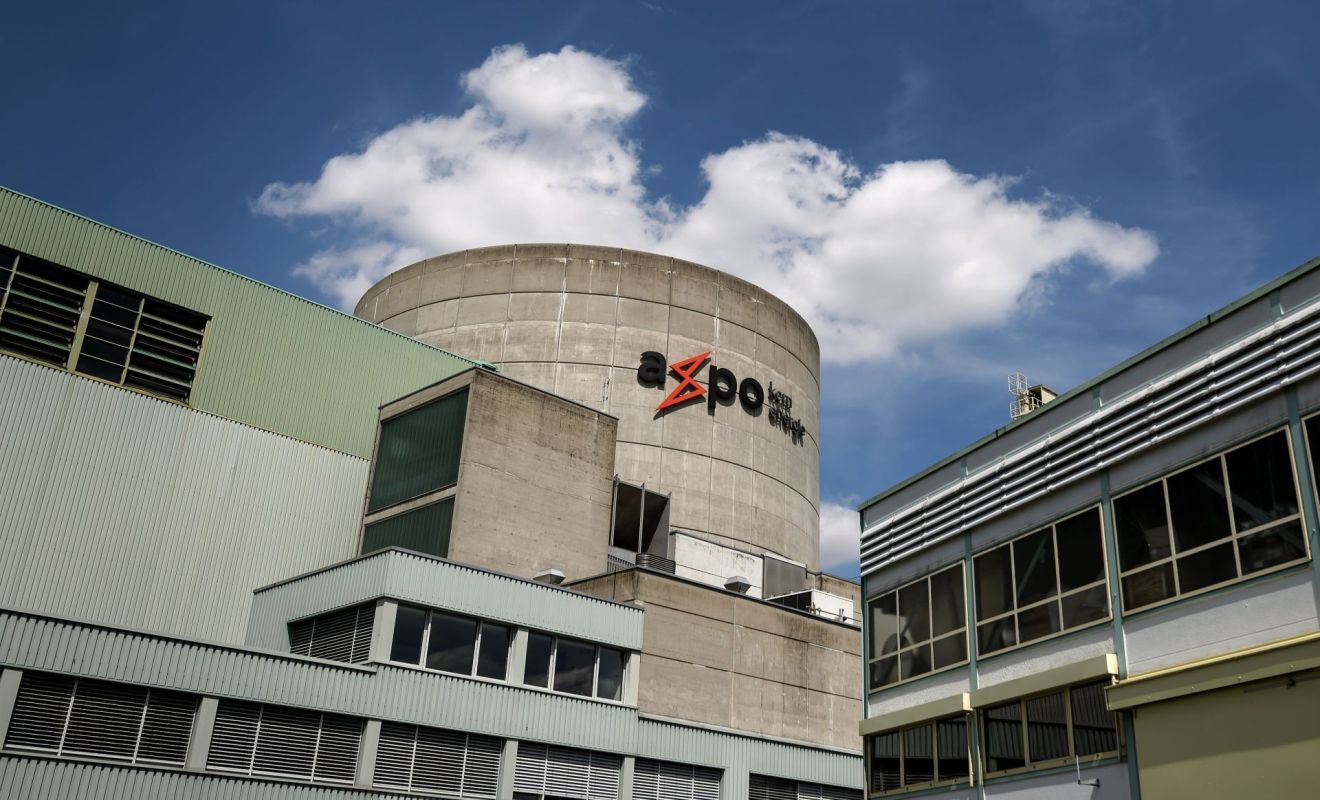
Switzerland's Beznau nuclear power plant — the oldest operating nuclear facility in the world — is drawing scrutiny after officials confirmed it will remain online until at least 2033.
The decision has ignited public concern over safety, aging infrastructure, and the long-term risks of extending the life of decades-old nuclear reactors.
What's happening?
Beznau, located in northern Switzerland near the German border, began operating in 1969, according to World Nuclear News, with both reactor units fully online by 1972.
Unlike some countries that impose hard age limits on nuclear plants, Switzerland allows reactors to operate as long as they pass regular safety evaluations.
That policy has kept Beznau running — and controversial, as BGR reported. Over its lifetime, the plant has recorded nearly 100 safety incidents, including a major shutdown between 2015 and 2018 after inspectors discovered irregularities in the reactor vessel.
While operators later argued the flaws were manufacturing defects rather than structural damage, the findings fueled public anxiety.
More recently, Beznau entered an emergency shutdown in early 2025 following a power grid connection failure that released visible water vapor.
Plant operator Axpo Holdings said there was no danger to the public, but for nearby residents, the incident didn't do much to help dispel ongoing fears about living near an aging nuclear site.
Why is Beznau's continued operation concerning?
Nuclear power plays a complicated role in the global energy landscape. It produces large amounts of electricity with low direct pollution, but accidents — even rare ones — can have devastating and long-lasting consequences.
Beznau's age plays into those concerns. Older reactors have higher maintenance demands, higher costs, and present the risk of unexpected failures. Past events, including a 2009 incident in which workers were exposed to radiation above annual safety limits during maintenance, continue to shape public distrust.
TCD Picks » Quince Spotlight
💡These best-sellers from Quince deliver affordable, sustainable luxury for all




|
How would you feel about a nuclear power plant being built near your home? Click your choice to see results and speak your mind. |
 I'd be excited 😀
 Public opposition has been persistent. Protests have drawn tens of thousands of people, particularly after Japan's Fukushima disaster in 2011, which forced mass evacuations and reshaped global attitudes toward nuclear safety.
Critics argue that extending Beznau's lifespan increases the stakes of a potential accident, while also prolonging the unresolved issue of radioactive waste, which remains hazardous for thousands of years.
What's being done about it?
Swiss regulators maintain that Beznau will only operate as long as it meets strict safety requirements, and Axpo says ongoing inspections and upgrades ensure the plant remains secure.
The facility is still scheduled for full decommissioning in 2033, though critics say that timeline is too slow.
More broadly, the debate highlights a global dilemma: how to balance energy security and low-emission electricity with aging infrastructure and public safety.
As countries explore next-generation reactors and renewable alternatives, Beznau has become a symbol of the difficult choices involved in managing the world's nuclear legacy.

Get TCD's free newsletters for easy tips to save more, waste less, and make smarter choices — and earn up to $5,000 toward clean upgrades in TCD's exclusive Rewards Club.
Cool Picks





