


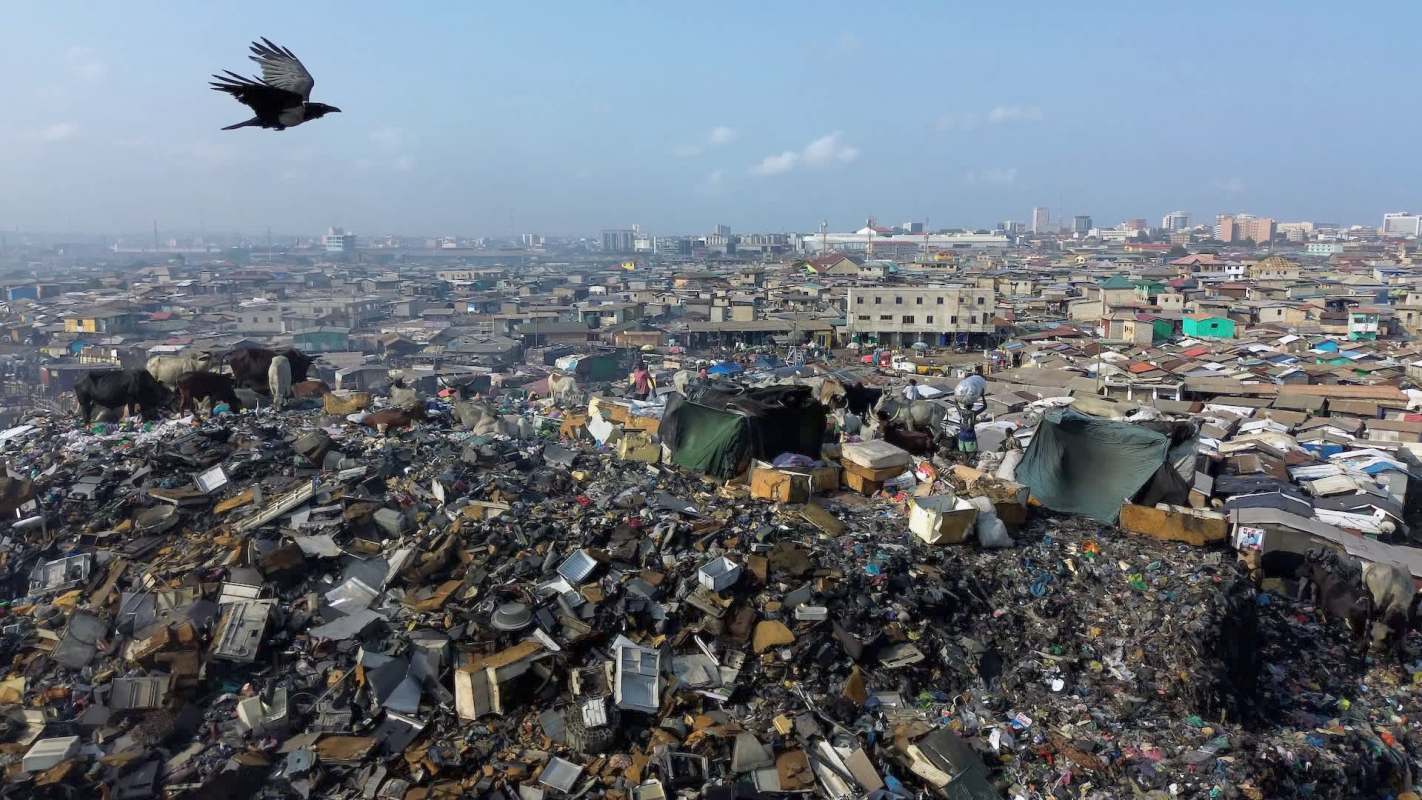
In the Sabon Gari Market of Kano, Nigeria, shipments from across the globe arrive packed with discarded electronics.
But beneath the allure of a bargain lies a troubling reality: Many of these devices are ticking time bombs, destined to malfunction and contribute to an ever-growing mountain of e-waste.
What's happening?
Shoppers in Nigeria rely on imported used electronics as a more affordable alternative to buying new, reported Al Jazeera.
"Sometimes you can get them for half the price of new ones and they look almost the same, so it feels like a good deal at the time," said Umar Hussaini, who sells used electronics at the market.
But those savings can be short-lived. Hussaini said a used refrigerator he purchased broke down within three months.
"For weeks, we couldn't store food properly at home, and we ended up buying food daily, which was more expensive," he told Al Jazeera. "However, I have to buy another one again."
This experience is just one among thousands.
According to the United Nations, around 60,000 tonnes (66,139 tons) of used electronics enter Nigeria each year, with at least 15,700 tonnes (17,306 tons) arriving already damaged.
"In some instances, research estimates that over 75% of what arrives in developing countries is truly junk," said Chinwe Okafor, an environmental policy analyst, per Al Jazeera.
Much of this equipment comes from countries like the U.S. and across Europe, often mislabeled to bypass international rules meant to prevent hazardous waste dumping.
TCD Picks » Quince Spotlight
💡These best-sellers from Quince deliver affordable, sustainable luxury for all




|
Which of these savings plans for rooftop solar panels would be most appealing for you?
Click your choice to see results and earn rewards to spend on home upgrades. |
 Save $1,000 this year 💸
 Why is this trend concerning?
Electronics can contain toxic materials like mercury and harmful refrigerants that can leak into soil and water.
In many communities, workers dismantle these items by hand, sometimes burning components to extract metals and exposing themselves to dangerous fumes.
Research published in the International Journal of Environmental Research and Public Health links this exposure to serious health problems, including chronic headaches, skin irritation, breathing issues, neurological concerns, and even miscarriages.
The environmental impact can also be long-lasting. Chemicals in older appliances can linger for decades, meaning today's discarded devices may continue causing harm for generations.
What's being done about e-waste?
There are rules in place, including global agreements such as the Basel Convention, which is intended to limit the export of hazardous waste.
But enforcement gaps and loopholes, such as labeling shipments as "personal effects," allow large volumes of unusable electronics to continue entering countries like Nigeria.
Advocates say stronger inspections, better certification systems, and greater accountability for manufacturers could help curb the problem.
On an individual level, extending the life of electronics can also make a difference. Choosing refurbished devices from trusted sources or properly recycling old electronics can reduce demand for exports that often do more harm than good.

Get TCD's free newsletters for easy tips to save more, waste less, and make smarter choices — and earn up to $5,000 toward clean upgrades in TCD's exclusive Rewards Club.
Cool Picks




