


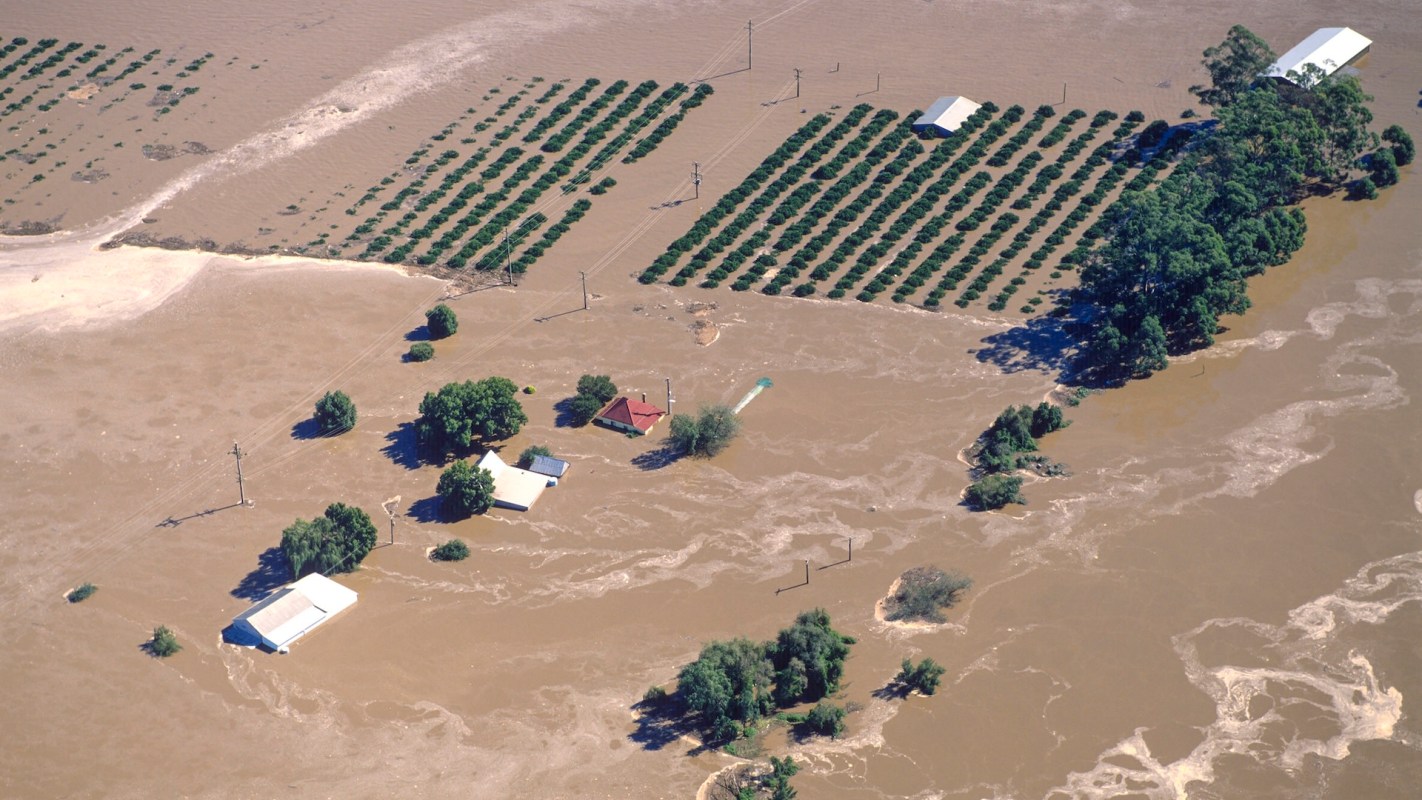
An unreleased Australian government report on the climate crisis paints a stark picture of the risks facing the country's economy, environment, and communities — with experts describing its findings as "intense and scary."
What is in the report?
The national climate risk assessment, developed by the Australian Climate Service and the federal climate change department, includes detailed modeling of future climate damage. According to sources familiar with the document, it outlines how worsening heatwaves could cause thousands of deaths, forecasts flood risks down to the suburb level, and shows the cascading impacts of rising temperatures on nearly every system Australians rely on.
The analysis spans eight critical areas: national security, the economy and finance, First Nations values, health and social support, infrastructure, the natural environment, food and primary industries, and regional and remote communities.
In every scenario, the report suggests major systems — including electricity networks, transport routes, food production, and the financial sector — could struggle to cope with escalating extreme weather events.
One source who viewed the draft said to the Guardian: "Even for someone who has been focused on this and thinking long and hard about IPCC reports, it's confronting to read about the details and the severity of the impacts." Another added that climate disruption will affect far more than just rising temperatures, describing widespread and interconnected risks to daily life.
Why is this report important?
Beyond the human and environmental toll, the report points to massive costs for Australia's federal budget.
Extreme weather alone slowed economic growth early in 2025, with the Treasury estimating $2.2 billion in damages during just the first half of the year. Currently, the federal government spends about $1.6 billion annually on disaster recovery — while only budgeting $215 million, said Francesca Muskovic, the executive director for policy at the Investor Group on Climate Change, to the Guardian.
Institutional investors are already paying attention, warning that governments cannot fund preparation and recovery alone. Muskovic said private capital will be crucial, but requires "an accurate and comprehensive picture of where the risks are, and where the investment is most needed."
How this report helps governments
Despite its urgency, the Albanese government delayed the assessment until after the May election, along with other key climate documents such as Australia's 2035 emissions target and national adaptation plan. The Greens and climate advocates are now demanding its release, calling it an "explosive document" that the public deserves to see.
Climate Minister Chris Bowen's office confirmed the government is "close to finalising" the report, describing it as Australia's first-ever comprehensive climate risk assessment and a roadmap for adaptation.
TCD Picks » Quince Spotlight
💡These best-sellers from Quince deliver affordable, sustainable luxury for all




For now, those who have seen the draft say the report makes one thing crystal clear: No part of Australian life will remain untouched by the accelerating climate crisis.
|
Do you think your city has good air quality? Click your choice to see results and speak your mind. |
 Definitely 🥰
Join our free newsletter for good news and useful tips, and don't miss this cool list of easy ways to help yourself while helping the planet.
Cool Picks





