


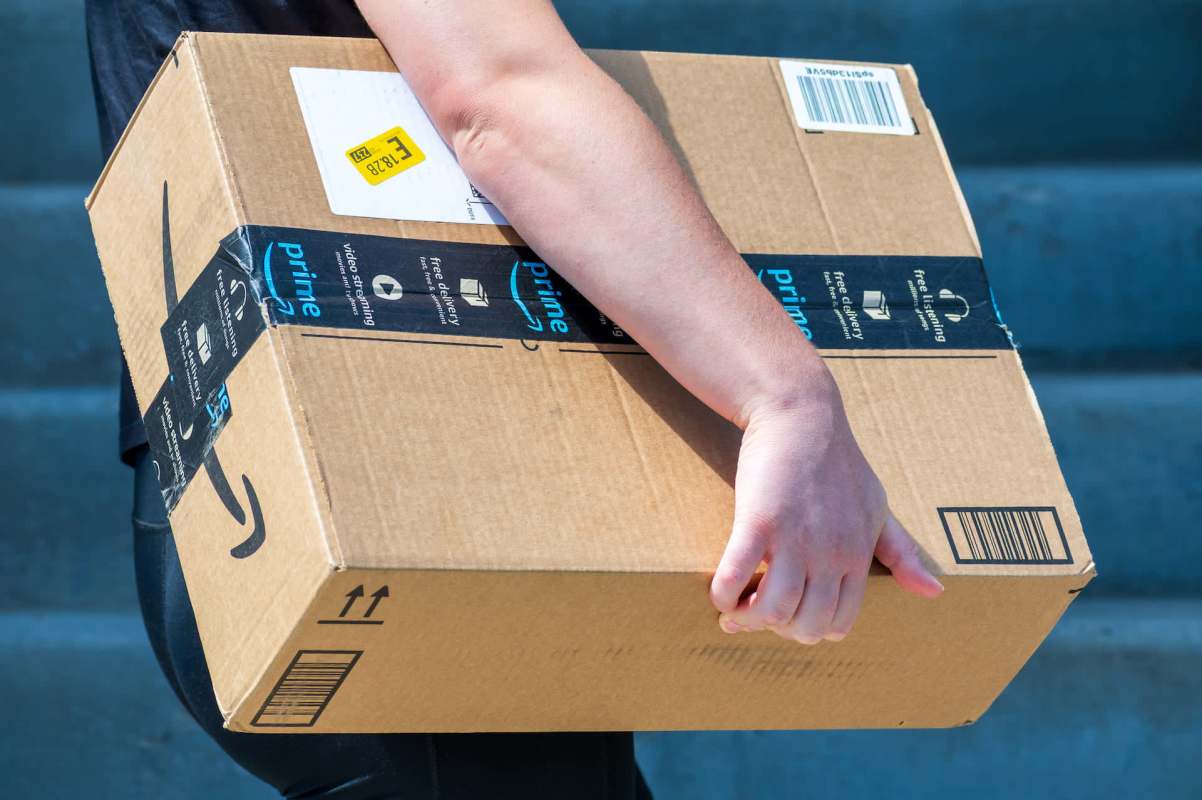
A new lawsuit against Amazon alleges that the retail giant's Prime Day event isn't all it's cracked up to be. The plaintiffs say Amazon's tactics run afoul of consumer protection laws.
What's happening?
Two Amazon Prime members filed a class-action suit in Washington federal court, accusing Amazon of advertising false discounts during its Prime Day event, per Top Class Actions.
Cathy Armstrong and Oluwa Fosudo allege Amazon uses fictional "list prices" to mislead consumers into believing they are scoring better deals than they actually are. For instance, the suit says Amazon claimed it was offering a 44% discount off a list price of $179.95.
However, the plaintiffs say that the price is inflated. Previously, Amazon sold the product at a list price between $130 and $160, according to the lawsuit.
"Because Amazon used a Fake Prior Amazon Price to calculate the Prime Day Percentage Discounts, Plaintiffs and other consumers like them paid more than they would have had the items truly been discounted (i.e., from the actual prior price) with the Prime Day Percentage Discounts that Amazon promised and that they relied on in the transaction," it says.
Why is this important?
While Amazon has introduced electric vehicles to its delivery fleet and taken steps to reduce plastic packaging, among other positive moves, critics say these eco-friendly actions do little to offset the environmental footprint of the world's largest e-commerce store.
TCD Picks » Quince Spotlight
💡These best-sellers from Quince deliver affordable, sustainable luxury for all




Amazon's data centers still account for massive amounts of pollution, even as the company increasingly relies on clean energy to power them.
Meanwhile, Prime Day encourages shoppers to snag deals before they expire and splurge on merchandise they may not need, leading to excessive waste.
Misleading marketing tactics could lead to even more pollution on the back end if disgruntled consumers return overpriced items.
What can be done about this?
Overconsumption leads to more cluttered homes, emptier bank accounts, and a less healthy planet. Before buying something, pause to reflect on whether you truly need it.
|
Do you worry about companies having too much of your personal data? Click your choice to see results and speak your mind. |
 Absolutely 👍
 "All the evidence suggests that this consumption is very, very harmful to the environment, and it's really not adding that much happiness to most people's lives," environmental journalist J.B. MacKinnon told Fast Company last year, when Amazon's Prime Day broke records for the second consecutive year after consumers purchased 375 million items.
Also, remember that many companies run ad campaigns that obscure their environmentally destructive ways. Supporting circular brands and eco-friendly products and services can help move the needle in a more positive direction.

Join our free newsletter for good news and useful tips, and don't miss this cool list of easy ways to help yourself while helping the planet.






