


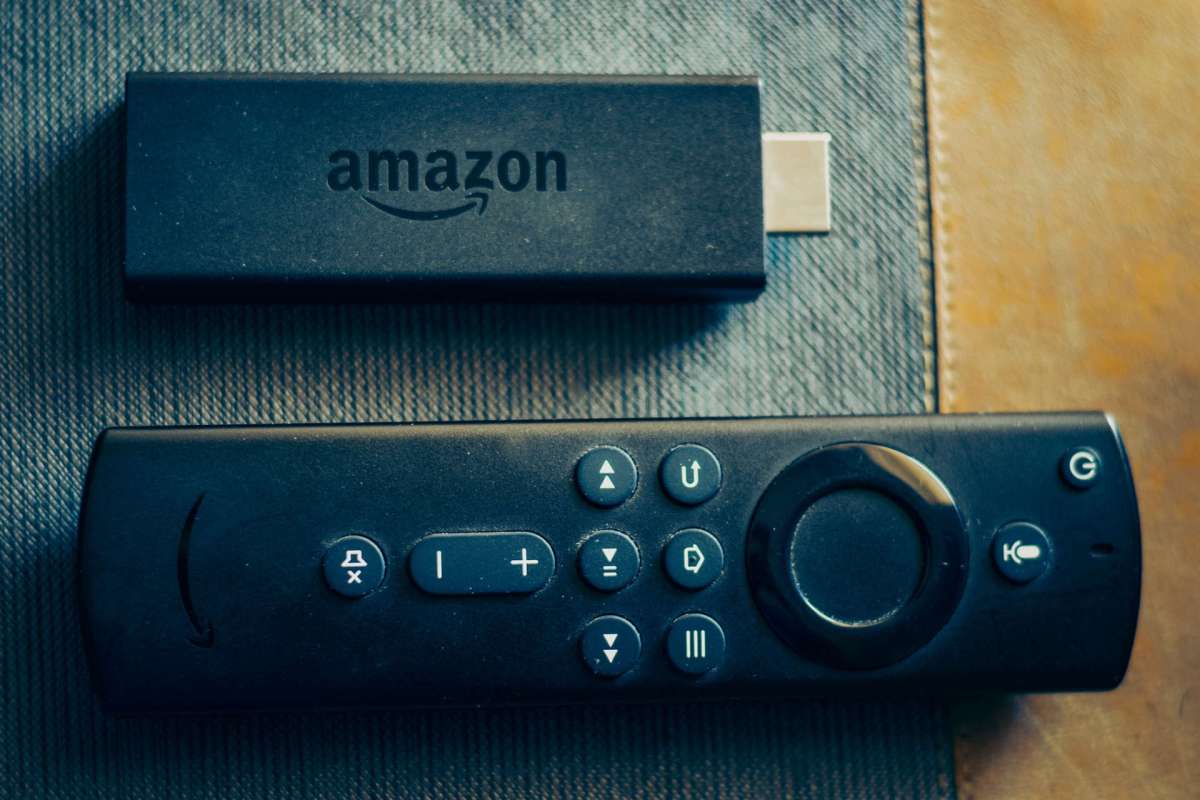
Amazon shoppers hoping to pick up a low-cost Kindle, Echo, or Fire TV Stick may be shocked by what they see.
The company has rolled out sweeping price increases across some of its best-known devices, including gadgets long marketed as affordable entry points into the Amazon ecosystem.
Here's what to know
According to a report from Gizmodo, Fortune was first to report that Amazon had increased prices across a broad selection of its products.
Some of the biggest jumps hit core devices: the base 16GB Kindle moved from $110 to $150, the Fire TV Stick 4K Max rose from $60 to $85, the Echo Dot (5th Gen) increased from $50 to $80, and the most dramatic increase was the Echo Show 21, which climbed from $400 to $500.
Not every change was concentrated at the high end. Lower-memory devices with relatively modest specs, including the basic Kindle, also saw significant increases, while the Kindle Scribe and Kindle Scribe Colorsoft remained at starting prices of $400 and $680.
Gizmodo also reported that Amazon had ended software support for some pre-2012 Kindle models, leaving some users under added pressure to upgrade.
TCD Picks » Quince Spotlight
💡These best-sellers from Quince deliver affordable, sustainable luxury for all




More background
Amazon has attributed the new prices to higher memory and storage costs, a rationale that aligns with a broader pattern in the tech sector.
The growing use of AI has driven up demand for advanced chips, memory, and data-center equipment, putting pressure on supply chains and raising costs across consumer electronics.
That AI expansion also has implications for the energy grid. AI can help utilities forecast electricity demand, reduce waste, and better incorporate renewable power sources such as wind and solar. At the same time, training and operating AI models can require enormous amounts of electricity and water, while rapid data-center growth can strain local grids, raise operating costs, and potentially contribute to higher energy bills if cleaner infrastructure does not expand fast enough.
Still, the pattern of Amazon's increases suggests component costs may not be the only factor.
The Kindle Kids jumped from $130 to $180, while the Kindle Colorsoft increased from $250 to $290. Those uneven increases suggest Amazon may also be considering product popularity and profit margins when setting new prices.
An Amazon spokesperson told Fortune the company is "facing significant increases in memory and storage component costs. After absorbing these increases for as long as we could, we recently adjusted pricing across our product lines."
What can be done?
If a purchase is not urgent, it may be worth waiting for a sale, checking refurbished models, or comparing features with alternatives outside Amazon's lineup.
A lower upfront price is not always a bargain if the device includes ads, encourages subscription spending, or pulls users deeper into a closed ecosystem.
Holding onto a working device longer can save money while also reducing electronic waste.
Shoppers who do need a replacement may want to check whether their current device still receives software updates and whether a less expensive model can still meet their needs.

Get TCD's free newsletters for easy tips, smart advice, and a chance to earn $5,000 toward home upgrades. To see more stories like this one, change your Google preferences here.






